
Last updated November 15, 2026
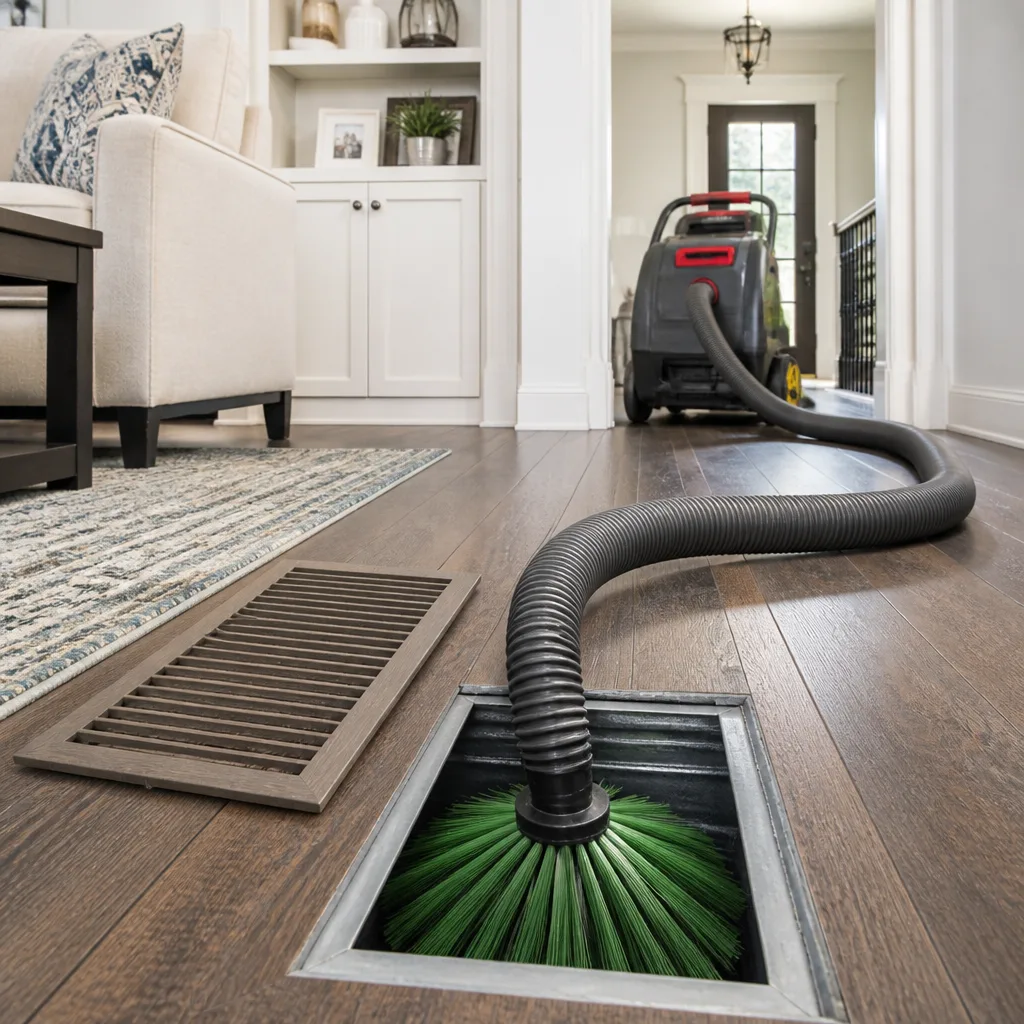 Whole-home duct cleaning
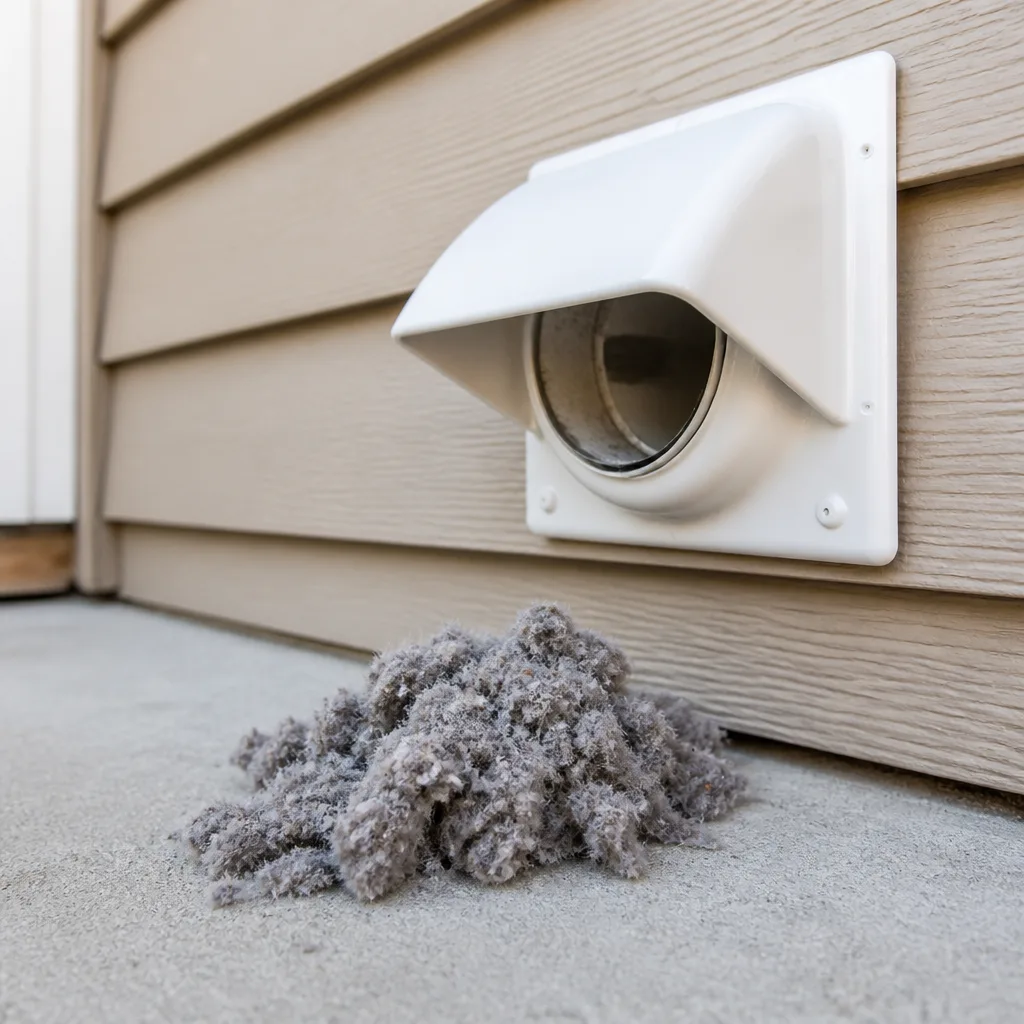 Dryer vent cleaning
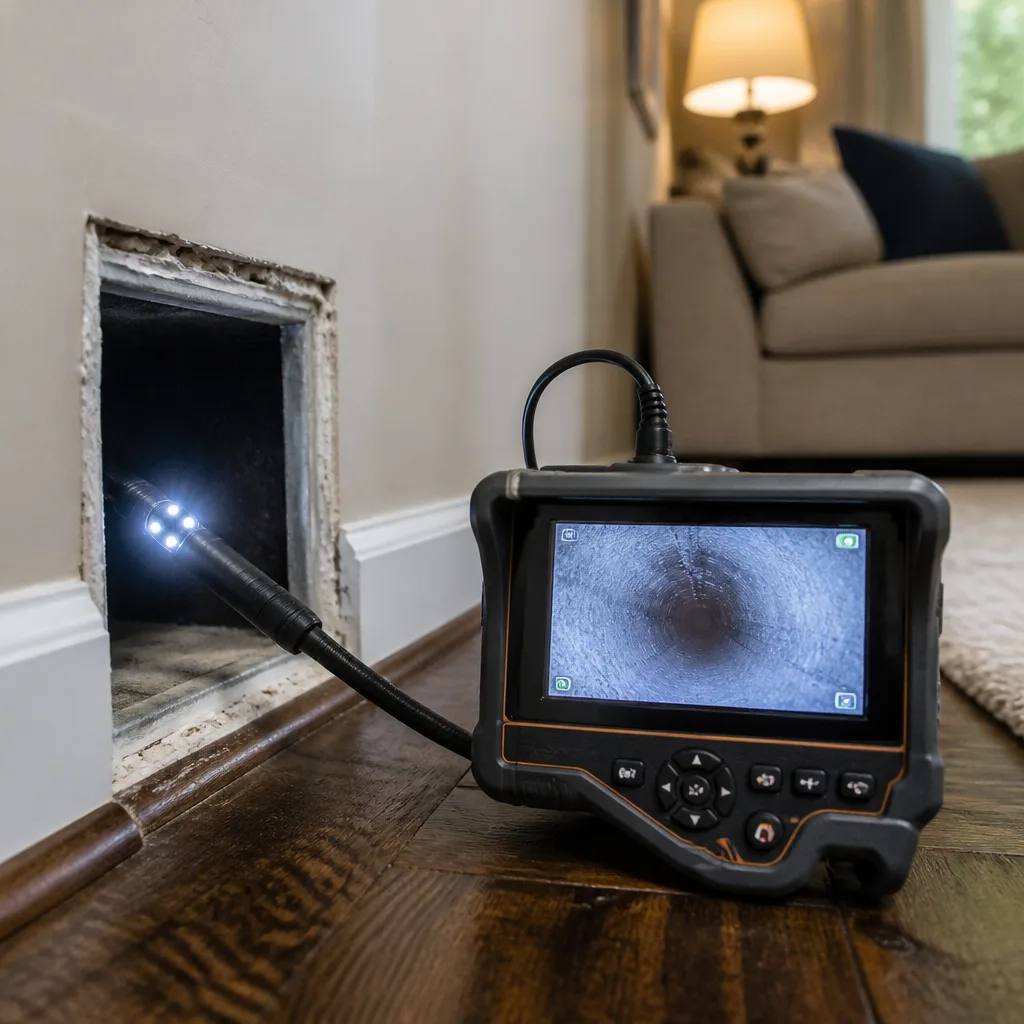 Camera inspection
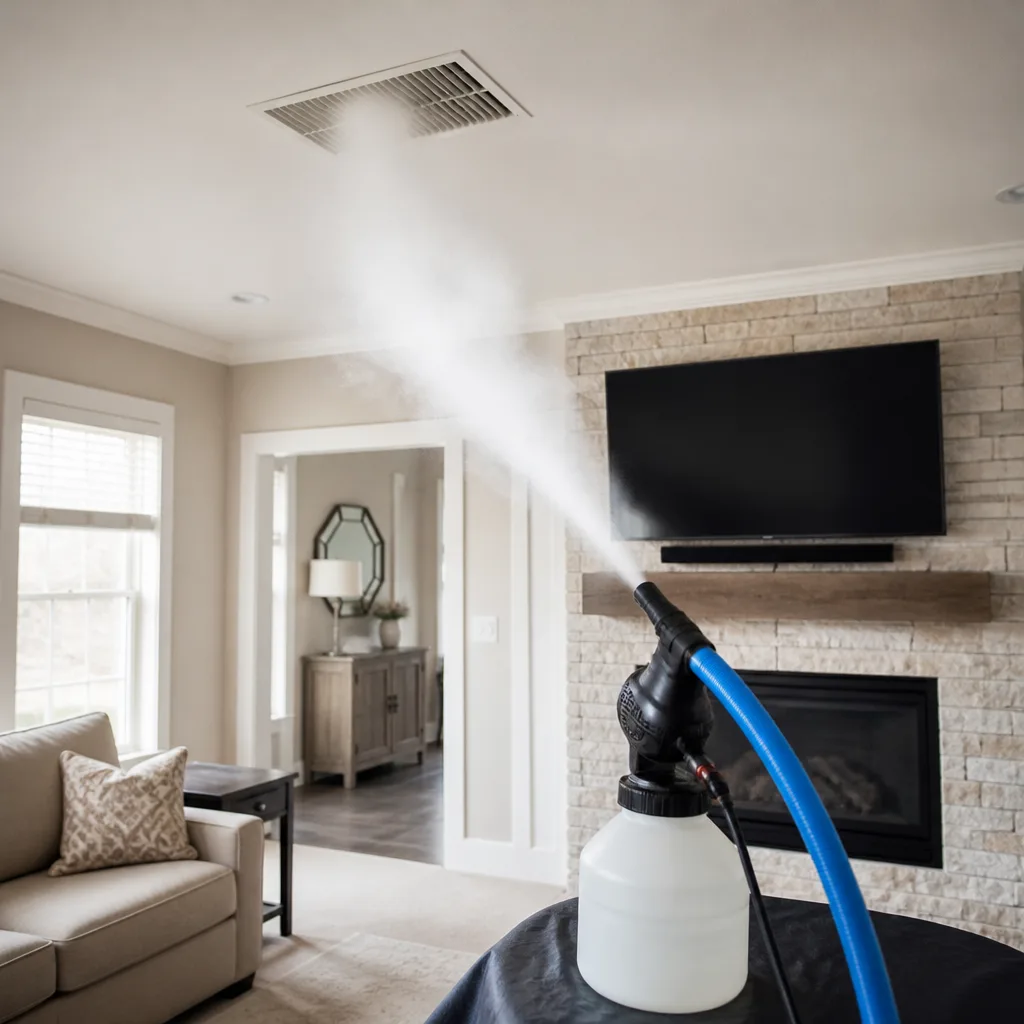 Sanitizing & deodorizing
Whole-system duct and dryer vent check with before-and-after photos - you see exactly what came out of your vents
That "$99 whole-house special" is a bait ad - the real number appears once they are in your hallway, or the "clean" is a shop-vac at the register. We photograph the inside of your ducts before and after instead.
The Complete Guide to Air Duct Cleaning in Edmond
Here’s the part of this conversation that usually gets skipped. A shop vac pulls roughly 100 CFM of suction. A HEPA extraction unit like the Nikro runs at 1,750+ CFM or more. That gap is what separates two companies that both call themselves “duct cleaners” and produce completely different results. We’ve seen this play out across Edmond many times, and the equipment distinction never gets mentioned in the quote.
This guide isn’t about convincing you that your ducts are dirty. It’s about showing you how professional cleaning actually works, what separates it from the blow-and-go version circulating around Edmond, and how to verify that the job you paid for was the job that actually happened. You’ll get the process, the inspection steps, and the specific patterns central Oklahoma creates inside residential HVAC systems.
Quick Answer
Air duct cleaning in Edmond removes built-up dust, pollen, red clay particulate, and debris from inside a home’s HVAC system using a three-phase process: mechanical agitation (Rotobrush), HEPA-grade extraction (Nikro), and negative-pressure containment (Abatement Technologies). If a company shows up with a shop vac and a blower and can’t explain that three-step sequence in plain language, they’re redistributing dust inside your home, not removing it.
Styles & brands we work with
- Whole-home duct cleaning
- Dryer vent cleaning
- Camera inspection
- Sanitizing & deodorizing
Table of Contents
- Why Edmond Ducts Get Dirty the Way They Do
- The Three-Phase Process: Agitation, Extraction, Containment
- Rotobrush vs. Compressed Air Whips
- Supply Ducts, Return Ducts, and the Plenum: Why All Three Matter
- How to Read a Post-Cleaning Inspection
- How Often Does Air Duct Cleaning Actually Need to Happen in Edmond?
- How to Choose a Duct Cleaner in Edmond
- When Cleaning Isn’t Enough: Air Duct Repair
Why Edmond Ducts Get Dirty the Way They Do
Edmond sits in a specific environmental pocket that shapes what typically ends up in a home’s ductwork. The red clay soil across central Oklahoma produces a fine, alkaline dust that behaves differently from the sandy dust of the Gulf Coast or the loam of the Northeast. When that clay dust is drawn into a return duct and combined with the seasonal pollen load in this part of the state, it tends to form a tacky buildup rather than loose dust that blows through. That’s the first thing most cleaners with a leaf blower don’t account for.
The other factor is storm-driven particulate. Edmond gets hit with spring systems that lift topsoil and mineral dust hundreds of miles before it settles. Homes here draw that material into the return system any time the air handler runs, and it collects on the filter face, the coil, the blower housing, and the duct walls downstream of the filter. Pollen season (roughly February through May for tree pollen, late summer for grasses and weeds) pushes another wave through the same path.
What that means in practice:
- Buildup in Edmond isn’t always visible from the register. The clay-pollen blend can coat duct walls in a thin, uniform layer that looks like it belongs there until you run a camera scope inside.
- The return side usually loads first. The negative-pressure side of an HVAC system pulls in the dirtiest air. If a cleaner only cleans supplies, they’ve cleaned the clean side of the system.
- Older Edmond homes with original galvanized ductwork tend to develop corrosion or seam separation, which lets unfiltered attic air draw directly into the system. That’s a repair question, not just a cleaning question.
- Renovation debris lingers. Drywall dust and sawdust from a kitchen or bathroom remodel can travel the entire duct system, and standard filters don’t capture the fine particulate.
Homeowners in subdivisions throughout Edmond often share the same builder-grade flex duct with the same installation shortcuts. That means patterns seen on one street tend to repeat on the next, which is one reason we ask about the home’s build era before scheduling. If you want a sense of how we approach a home in this area, Edmond is the place to start.
The Three-Phase Process: Agitation, Extraction, Containment
Professional air duct cleaning works when three things happen together. Miss any one of them and the whole job loses value. This is the section we wish more Edmond homeowners had read before signing a coupon quote.
Phase 1: Agitation
Caked-on debris won’t move with suction alone. You have to break the bond between the contamination and the duct wall first. That’s the agitation phase, and it’s done with a mechanical rotary brush on a flexible shaft, not compressed air. The brush physically scrubs the interior surface of the duct, loosening the material so it can be captured.
Phase 2: Extraction
Once debris is airborne inside the duct, it has to be captured before it settles somewhere else. A HEPA-grade extraction unit pulls the loosened material at the source and traps it in a certified filter. This is where the two-digit CFM shop vac and the four-digit CFM HEPA unit part ways. Extraction has to be strong enough to move the entire contaminant load out of the system through the vacuum line, not just out of the immediate brushing zone.
Phase 3: Containment
Here’s the part almost no one mentions. When you agitate and extract, the inside of the duct experiences turbulence. If the system isn’t under negative pressure during the process, that turbulence can push dust out of every leak, joint, and register into the living space. Containment means using equipment designed for indoor air quality work to hold the entire system at negative pressure so anything that escapes gets pulled toward the collection unit, not into the room where you’re sitting.
That’s why we call it a three-phase job. Agitation without extraction just loosens dirt. Extraction without containment redistributes it. Containment without agitation leaves the base layer intact. All three or it isn’t really cleaning.
Rotobrush vs. Compressed Air Whips
Most duct-cleaning quote sheets won’t tell you what physical tool is going inside the duct. That’s the detail that matters most in Edmond homes with caked-on clay-pollen buildup.
A compressed air whip uses high-pressure air to blow inside the ductwork. It works on loose dust and light surface debris. It does not mechanically contact the duct wall. On a thin layer of soft dust, that’s fine. On the tacky, adhered layer central Oklahoma produces, it moves the top inch and leaves the rest. The air whip is fast, cheap to operate, and most low-bid operators rely on it exclusively.
A rotary brush system (we use Rotobrush) drives a spinning brush head through the duct on a flexible shaft. The brush contacts the duct wall directly and mechanically dislodges whatever has adhered to it. On flex duct, the brush is sized to the duct diameter so the bristles contact the entire interior circumference. On rigid metal duct, the brush handles corners and joints that air alone can’t reach.
Why that difference matters here:
- Clay and pollen buildup in Edmond ducts is often adhered, not loose. Air moves it. Brushes remove it.
- Sawdust from remodeling settles into corners and seams. Mechanical agitation lifts it; air pressure alone doesn’t.
- Brush cleaning requires more time and more training. That’s why operators with air-whip-only equipment can quote lower: the job is faster because less is happening.
When a company can’t tell you which method it uses on your system, the honest answer is usually “whichever is quickest.” Brush-first, then HEPA extract. That sequence is the one we use.
Supply Ducts, Return Ducts, and the Plenum: Why All Three Matter
An HVAC system has three distinct duct zones, and cleaning only one of them leaves the whole job compromised. This is the single most common shortcut seen in Edmond quotes.
Supply ducts
The supply side pushes conditioned air from the air handler into your rooms. These ducts stay relatively clean because the air passing through them has already been filtered. That’s why a company that only cleans supplies can show you before-and-after photos that look convincing without addressing the actual contamination problem. Supply-only cleaning is like washing the outside of a car.
Return ducts
The return side draws air from your living space back to the air handler. This is the dirtiest part of the system because it captures the full unfiltered load: pet dander, floor-level dust, red clay particulate, pollen. In Edmond homes, the return trunk and the drops off it are where the heaviest buildup typically lives.
The plenum
The plenum is the large chamber directly above or beside the air handler where supply and return trunks meet. It collects whatever the filter lets through during the air handler’s run cycles, and it’s often completely ignored because it’s harder to reach. The plenum is also where the evaporator coil sits, and a coil coated in dust loses efficiency and can ice up in summer.
If a cleaning quote doesn’t specifically name supply, return, and plenum as part of the scope, treat it as incomplete. Cleaning two out of three zones doesn’t remove the contamination source. The third zone keeps feeding the whole system.
How to Read a Post-Cleaning Inspection
A duct cleaning job should end with a verifiable inspection. The problem is that most companies hand the homeowner a “we’re done” wave and pack up. If you want to know the work was actually performed, the camera scope isn’t optional.
Here’s what a proper post-cleaning inspection looks like:
- Camera scope inside the return trunk. The technician inserts a flexible camera into the main return and shows you the interior. Clean duct wall should show consistent color with no visible accumulation or streaks of dust.
- Camera scope inside at least two supply runs. Pick runs that go to rooms you use most. The interior surface should be visibly clean and free of the tacky residue that emerges during brushing.
- Plenum check. The camera should show the plenum and the accessible coil face. There’s no legitimate way to clean this zone and leave visible debris behind.
- Before-and-after photos of your own ducts. Not stock images. Not a printed brochure. Photos from the scope inside your home, taken during the job.
- Register and boot check. Look up into the register boot (the angled piece that connects the supply duct to the wall or floor grille). This is where debris settles and is often skipped.
If a technician resists showing you the scope, that’s the answer. What most companies never bother to verify is whether the inside of the duct actually looks different after the job than before. If nobody looked, nobody knows. Every job we do ends with before-and-after documentation of the actual ducts in the actual home.
How Often Does Air Duct Cleaning Actually Need to Happen in Edmond?
There’s no single number that applies to every home. In our experience across Edmond, most homes land somewhere between every three and five years, but the deciding factors are individual to the house and its occupants.
Consider cleaning more often if any of these apply:
- Someone in the home has allergies or asthma. Edmond’s pollen season is long, and additional duct loading means more of that pollen recirculating.
- Recent renovation. Drywall dust and sawdust travel through the return system and can settle for years. Clean after the project is finished, not before.
- New home purchase. You don’t know what the previous owner did. A one-time scope inspection will tell you whether cleaning is needed now or later.
- Pets in the home. Dander loads the return side more quickly than human occupants alone.
- Visible dust around registers that returns shortly after cleaning your home’s surfaces.
- Older home in Edmond with original ductwork. Seam separation lets attic air into the system, which means the ductwork accumulates faster than a sealed system would.
If none of those apply and the system was cleaned a few years ago, the honest answer is often “not yet.” A short camera-scope inspection is the cheapest way to find out. We’d rather tell you it can wait than charge for a job you don’t need.
How to Choose a Duct Cleaner in Edmond
Most of the frustration Edmond homeowners describe after a bad duct cleaning traces back to one of two problems: they couldn’t verify what equipment the company actually brought, or they couldn’t verify what the technician actually did. The two are related.
Here’s the checklist we’d hand any friend before they hire someone for air duct cleaning in this area:
- Ask what agitation tool they use. “Rotary brush” or “compressed air whip” are the two real answers. If the answer is vague, that’s a compressed-air-only operator.
- Ask what extraction unit they run. A HEPA-grade machine has a brand name and a filter spec. A shop vac doesn’t.
- Ask about containment. If they can’t describe negative pressure or name the equipment that maintains it, the job will probably redistribute dust inside the home.
- Ask for the written scope. Supply, return, and plenum should all be named. If any one of them is left out, the price reflects a smaller job.
- Ask about the inspection. Camera scope and before-and-after photos of your own ducts, not stock images. If they hesitate, they’re telling you something.
- Ask about repair capability. If the inspection finds a separated seam, a torn flex run, or a compromised boot, the company should be able to fix it, not just leave you with a written note.
One flat price per system, agreed before any work starts. Not a per-vent price. Not a coupon that turns into a larger invoice once the technician is on site. That’s the standard here, and it’s the one you should hold every contractor to. Read more about how we handle the process at duct cleaning in Edmond.
When Cleaning Isn’t Enough: Air Duct Repair
A cleaning job can only clean what’s intact. The moment a duct system has a separated seam, a torn flex run, a collapsed section, or a disconnected boot, cleaning is temporary and the problem comes right back. That’s why air duct repair belongs in the same conversation as cleaning.
What we look for during the inspection phase in Edmond homes:
- Separated seams on rigid metal duct. Common in older Edmond homes, especially at joints near the plenum.
- Torn or crushed flex duct. Builder-grade flex is fragile and often poorly supported in attic runs.
- Disconnected boots. Register boots can pull away from the duct with attic heat cycling and settle at the connection.
- Failed mastic or tape at joints. The original sealant degrades, and gaps pull attic air directly into the system.
- Coil and plenum contamination. A coil face coated in dust or biofilm loses efficiency and can ice up in the summer.
Being able to diagnose and fix in a single contractor relationship means the cleaning isn’t undermined by a leak the next technician doesn’t mention. We repair what we find. That approach saves the homeowner the hassle of a second contractor visit and a second estimate.
Common Mistakes to Avoid
- Accepting a per-vent price. Per-vent pricing rewards a company for skipping vents. A per-system price covers supply, return, and plenum together, and it’s the only model that makes sense given how the three zones interact.
- Hiring on the lowest coupon. A coupon price that becomes a larger invoice once the technician is on site is the industry’s bait-and-switch reputation in action. Insist on one flat price per system, agreed before work starts.
- Skipping the plenum. A company that cleans only supplies and returns leaves the contamination source feeding the whole system. Ask explicitly whether the plenum and accessible coil are part of the scope.
- Not asking about containment. In Edmond homes with tall attic runs and lots of flex duct, containment is what prevents the cleaning process itself from pushing dust into the living space. If the company doesn’t describe negative pressure, the process isn’t under control.
- Assuming a shop vac is duct cleaning. A shop vac generates roughly 100 CFM. HEPA extraction runs over ten times that. The number isn’t marketing, it’s the physics of whether debris actually leaves the system.
- Not asking for before-and-after photos of your own ducts. Stock photos and brochure images verify nothing. The job should end with documentation specific to your home.
- Ignoring the dryer vent. Clogged dryer vents are a fire hazard, not just a maintenance item. If the ducts are being cleaned, the dryer vent should be evaluated in the same visit. We handle dryer vent cleaning as part of that conversation for that reason.
See the difference
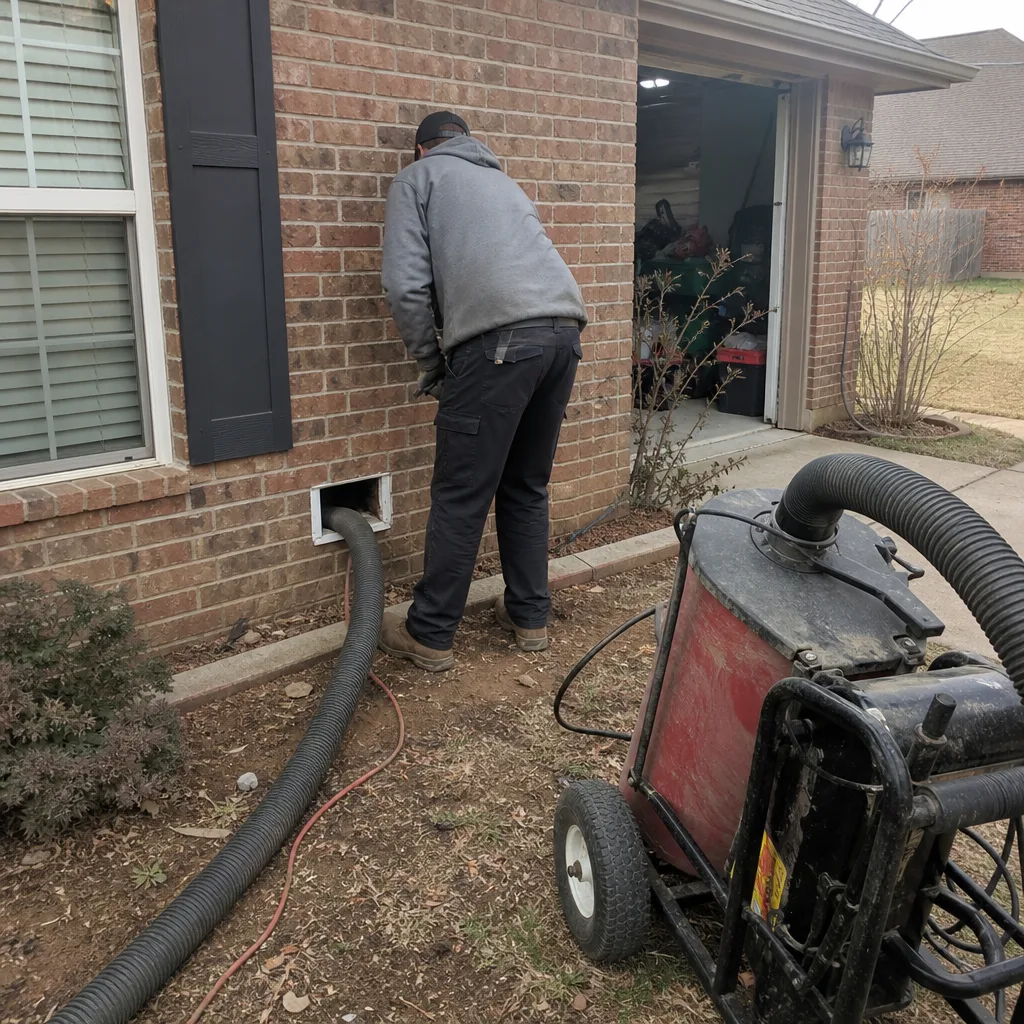 Before
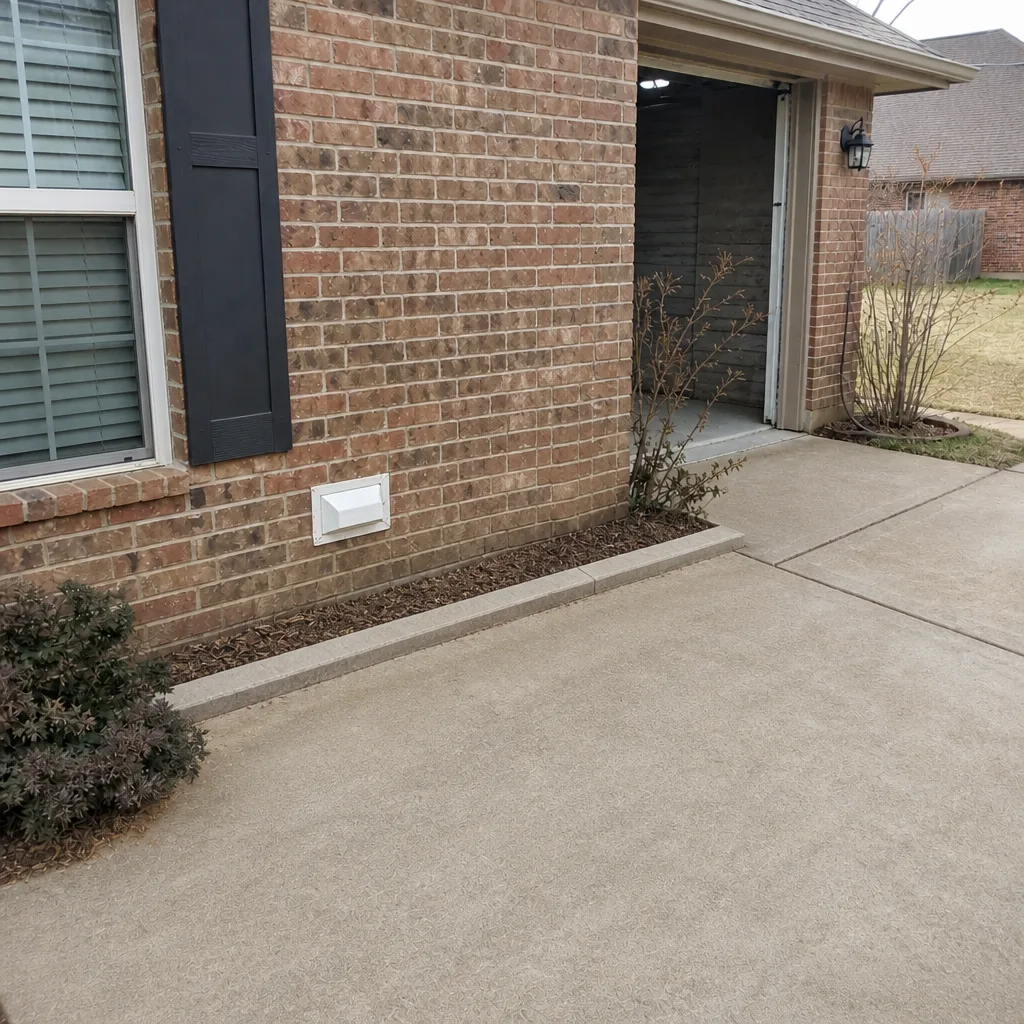 After
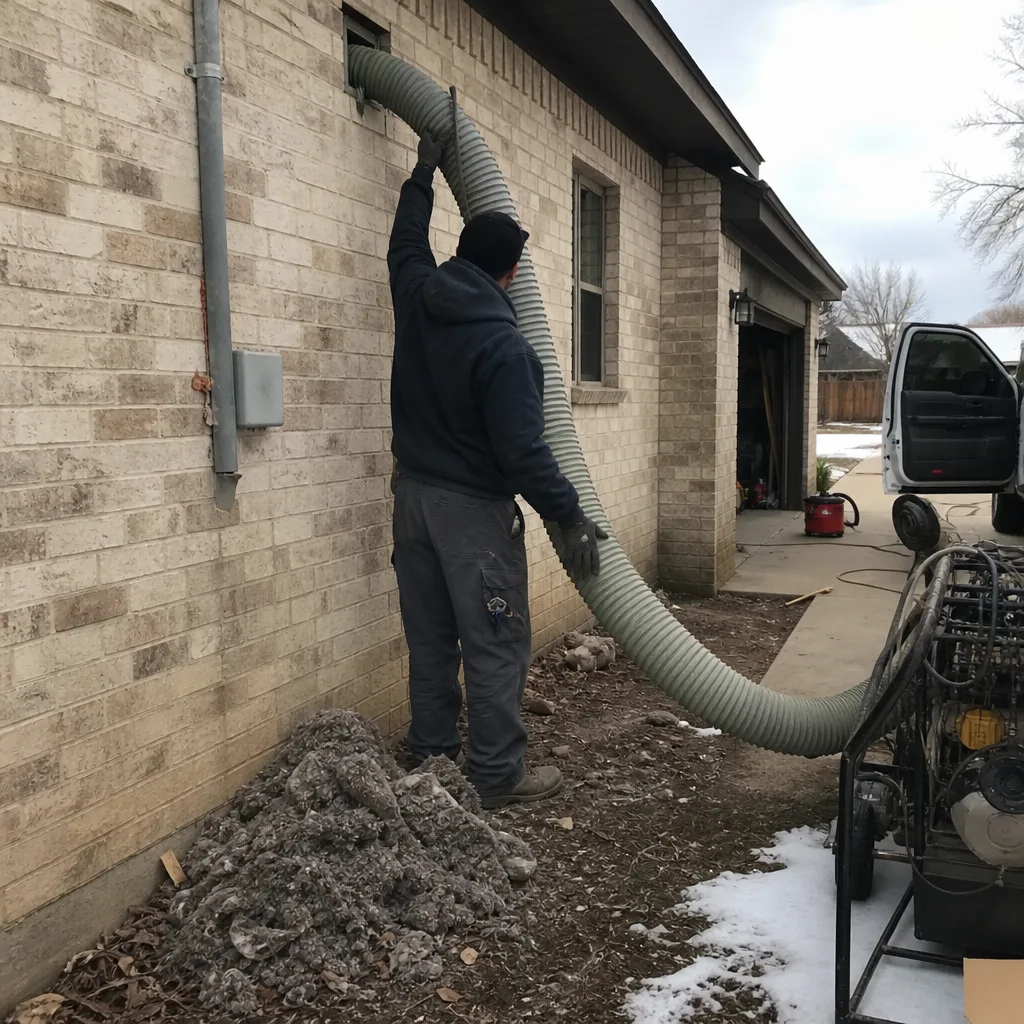 Before
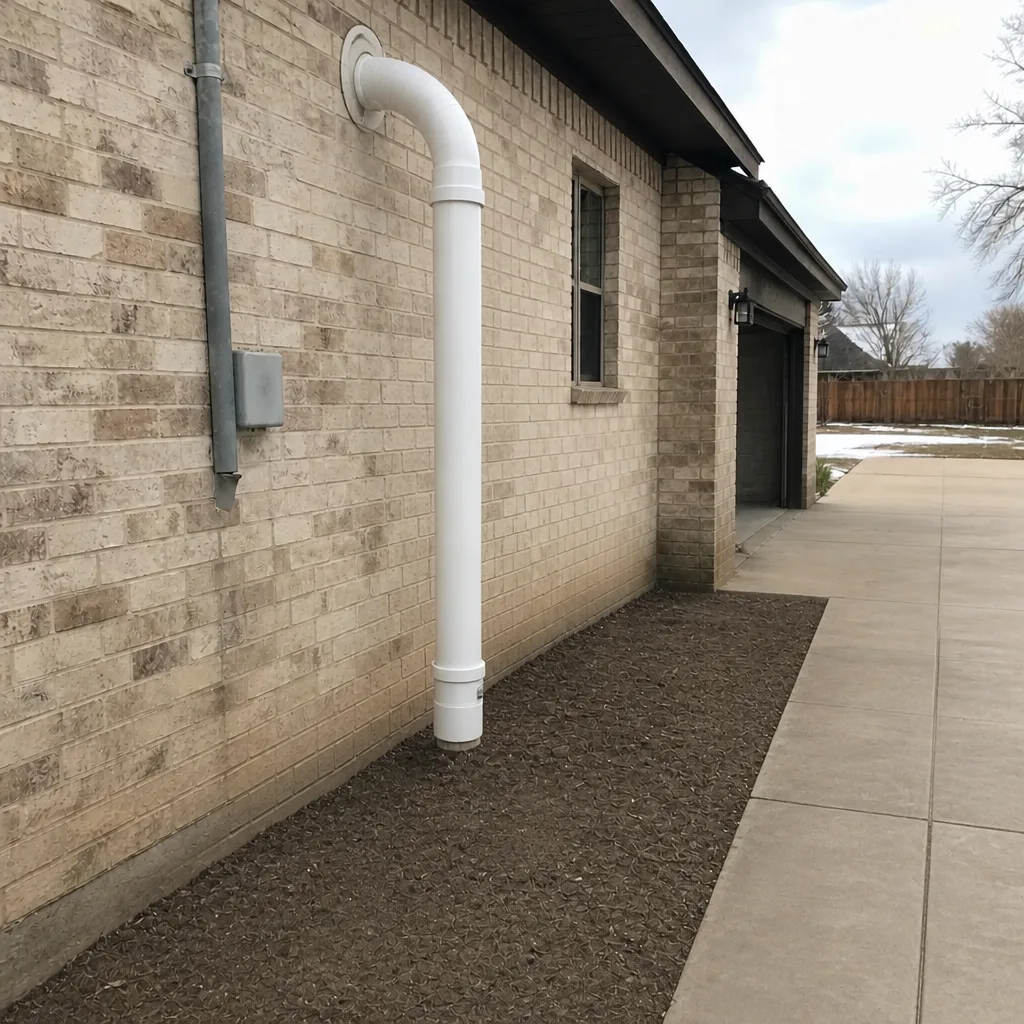 After
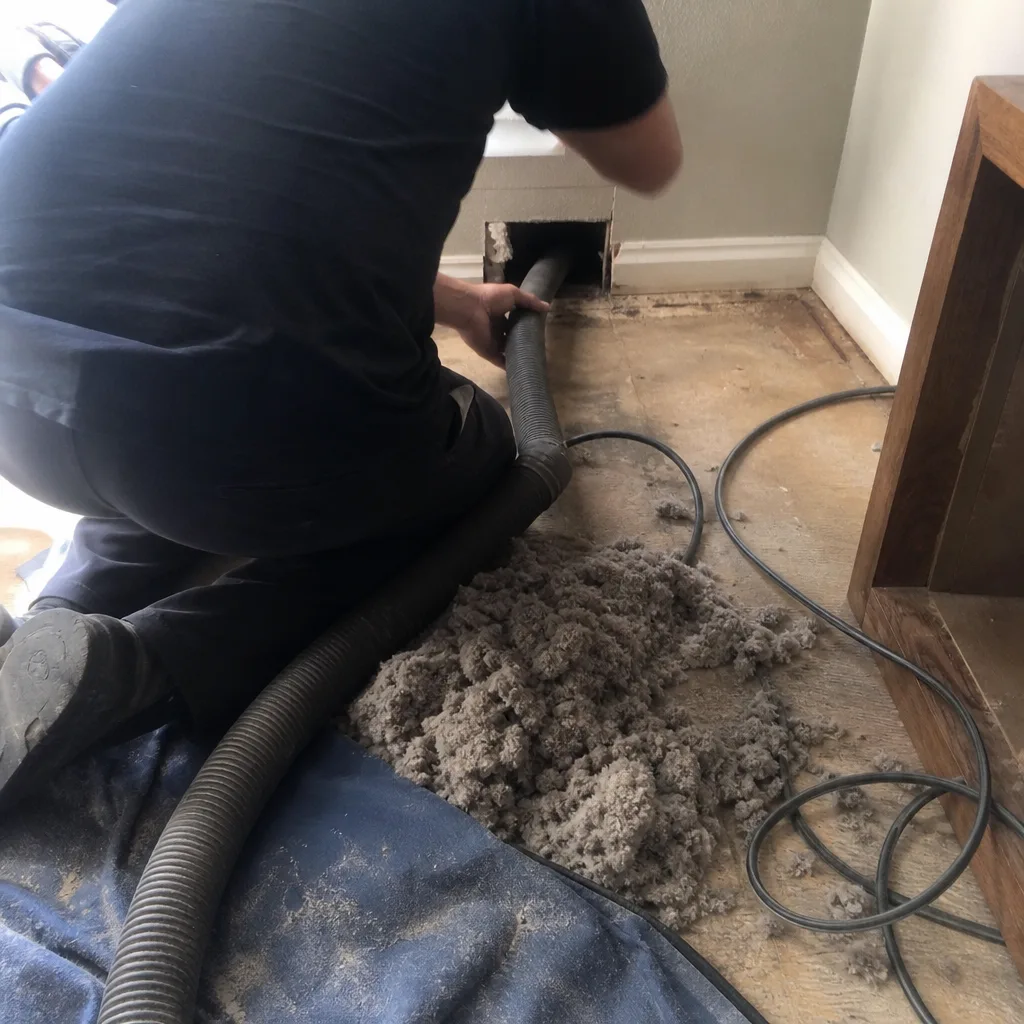 Before
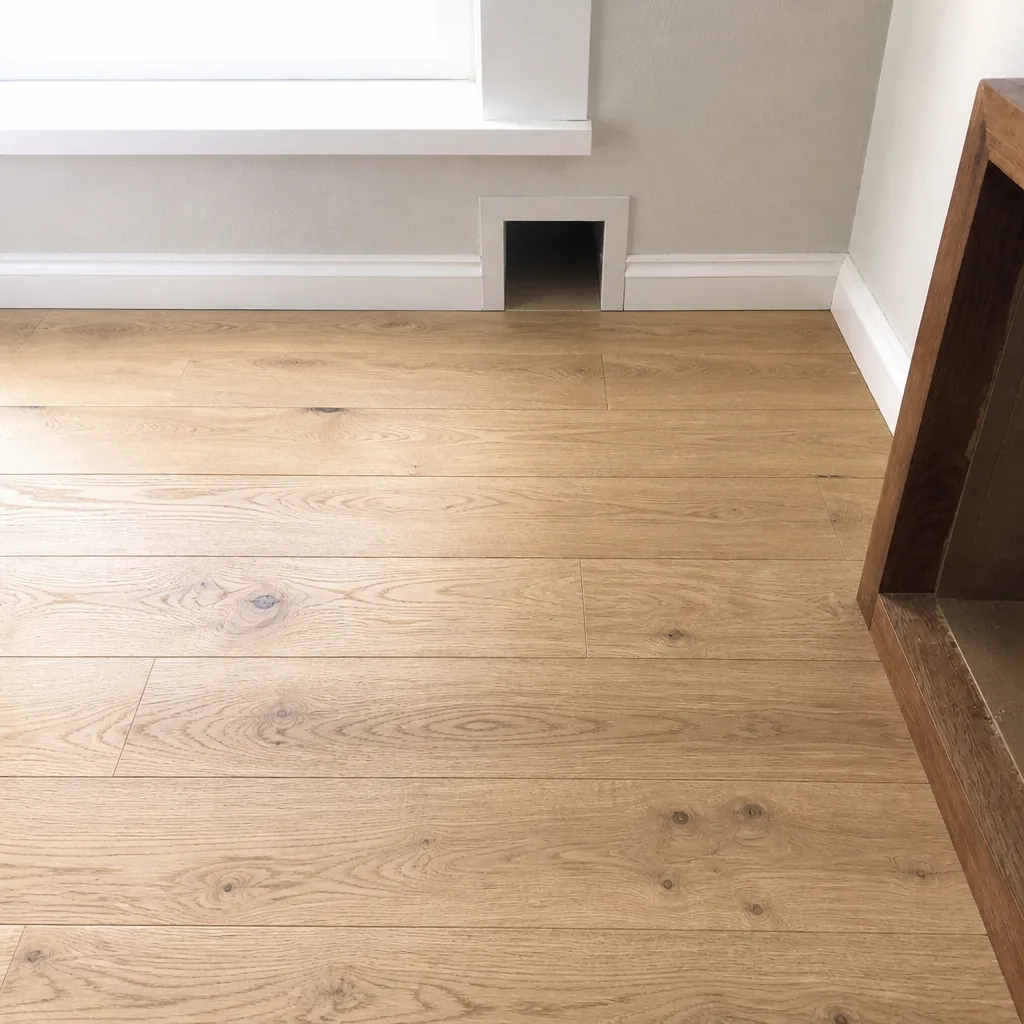 After
When to Call a Professional
Some jobs are worth a DIY look and some aren’t. The line in Edmond usually comes down to one of these situations. If you’ve had a major renovation that sent drywall or sawdust into the return system, professional cleaning with proper extraction is the only reliable way to get it out. If someone in the home has developed respiratory symptoms that get worse when the air handler runs, the system is worth scoping. If visible dust reappears on surfaces within days of cleaning the house, the ducts are feeding it back. If you can see a separated duct connection, torn flex, or a boot pulling away from the wall, that’s a repair call, and it shouldn’t wait for a cleaning visit. If you smell something musty or sharp when the system kicks on, that’s worth a camera scope to identify the source. Duct Cleaning Edmond offers free estimates in Edmond. Call (844) 461-1541. We answer 24/7. Fast dispatch from 7am to 7pm, Sunday through Friday. Closed Saturday. Our technicians have up to 13 years of experience, and we bring professional IAQ equipment to every job. We’re also authorized to install and service Honeywell and Aprilaire filtration and purification systems when cleaning alone isn’t the whole answer.
Frequently Asked Questions
Most whole-system air duct cleaning in Edmond lands in a typical range of roughly $350 to $700 depending on the size of the home, the number of duct runs, and whether the inspection reveals repairs. We quote one flat price per system, agreed in writing before any work starts, not a per-vent price and not a coupon figure that expands once the technician is on site. The written estimate is what sets the final price. Call (844) 461-1541 for an exact quote; estimates are free.
Because the job being quoted is a different job. A compressed-air-whip-only operator with a shop vac is doing less physical work in less time than a company running a rotary brush, HEPA extraction, and negative-pressure containment. The cheap quote isn’t a discount on the same service, it’s a different service with a duct-cleaning label. Ask what agitation tool, what extraction unit, and what containment equipment is brought to the home. If the answer is vague, the price reflects that. Call (844) 461-1541 to compare against a professional-grade quote; estimates are free.
By looking at the ducts. A proper job ends with a camera scope inside the return trunk and at least two supply runs, a plenum check, and before-and-after photos of your own ducts, not stock images. If a technician resists showing you the scope, that’s the answer to your question. We document every job this way. Call (844) 461-1541 to schedule an inspection; estimates are free.
For most homes in this area, every three to five years is a reasonable starting point, but the house’s individual conditions drive the actual answer. Pets, allergy sufferers, recent renovation, older original ductwork, and visible dust returning after surface cleaning all push the interval shorter. A short camera-scope check is the honest way to know whether the timing is right. Call (844) 461-1541 for a free estimate.
Yes. Central Oklahoma’s red clay soil produces a fine, tacky particulate that adheres to duct walls rather than blowing through, and the long pollen season adds load on top of it. Storm systems lift topsoil and mineral dust from across the region and push it into homes through the return side. That combination means buildup in Edmond ducts is often more adhered than the generic advice accounts for, which is exactly why mechanical agitation with a rotary brush matters here more than in a coastal or high-humidity climate. Call (844) 461-1541 to talk through what we typically see in homes around Edmond; estimates are free.
Yes. We diagnose, clean, and repair in a single contractor relationship. When the camera scope finds a separated seam, a torn flex run, a boot pulling away from the register, or a coil face that needs attention, we can address it in the same visit rather than leaving a written note and a second appointment. That’s what we mean by we repair what we find. Call (844) 461-1541 for a free estimate on cleaning or repair; we answer 24/7 and dispatch from 7am to 7pm, Sunday through Friday.
The Bottom Line
The quality of a duct cleaning job in Edmond comes down to three questions you can ask before anyone shows up: what agitation tool, what extraction unit, and what containment process. Rotary brush, HEPA extraction, and negative-pressure containment. All three, or the contaminants just move around inside the house. Combine that with a written scope that includes supply, return, and plenum; one flat price per system agreed before work begins; before-and-after photos of your own ducts; and a contractor who can fix what the inspection finds. Those five things separate real duct cleaning from the broader problem in this industry. If you’re weighing a quote against another quote and want a straight answer, call (844) 461-1541 for a free estimate. We answer 24/7. Fast dispatch from 7am to 7pm, Sunday through Friday.
Written by the team at Duct Cleaning Edmond.