
Last updated November 15, 2026
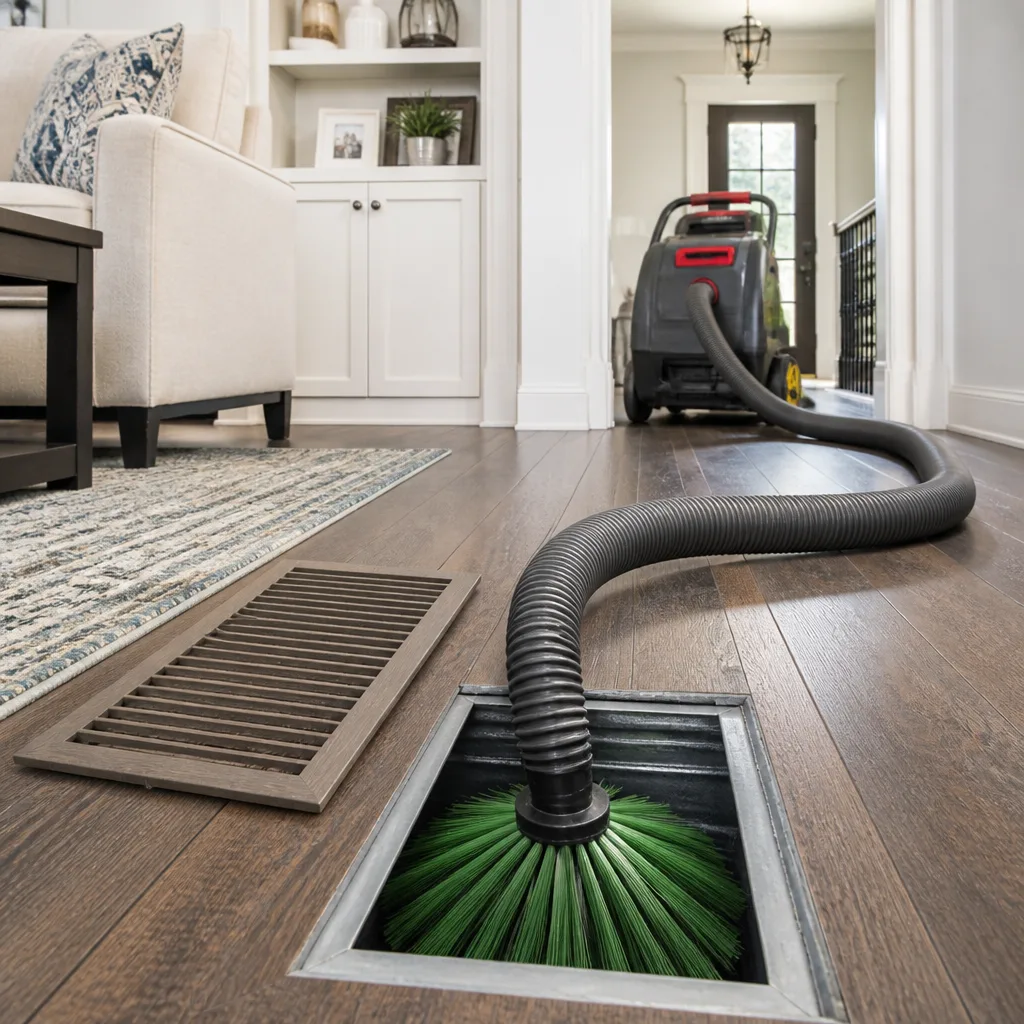 Whole-home duct cleaning
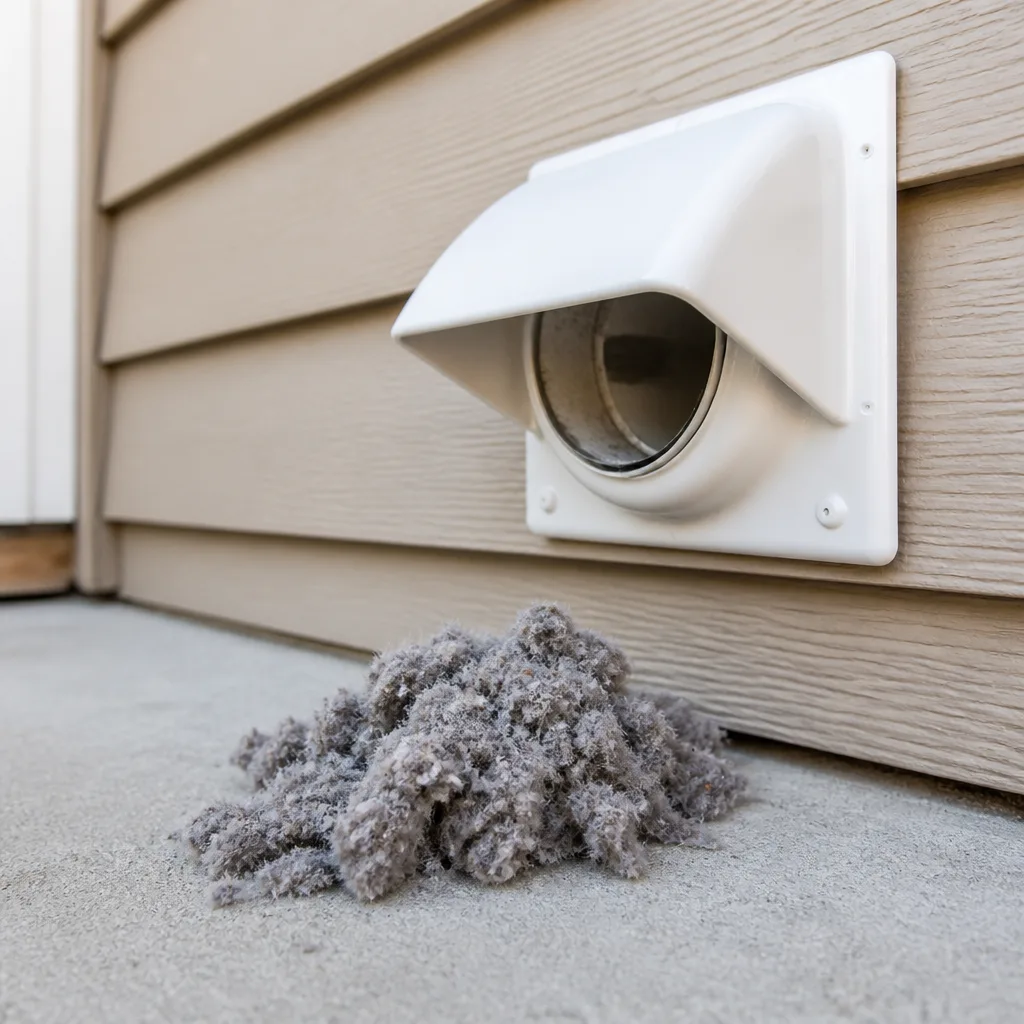 Dryer vent cleaning
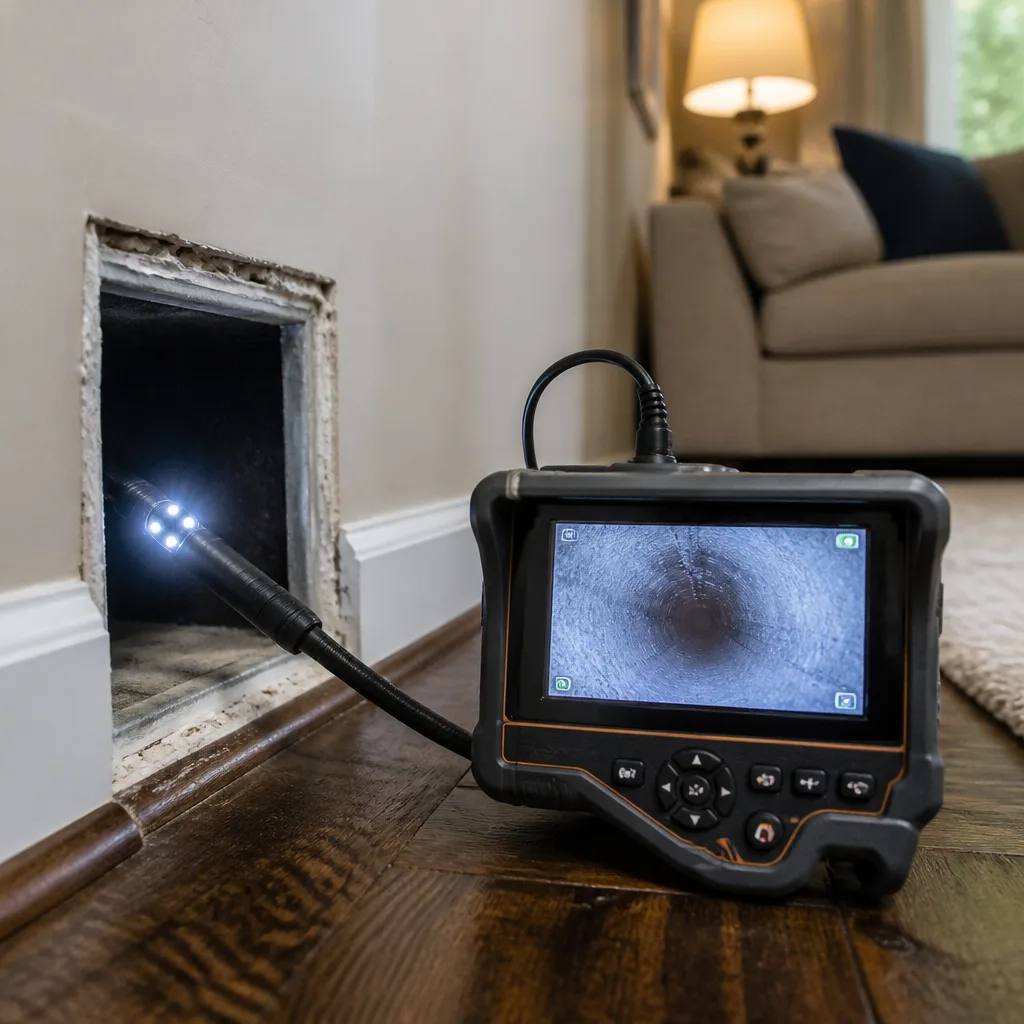 Camera inspection
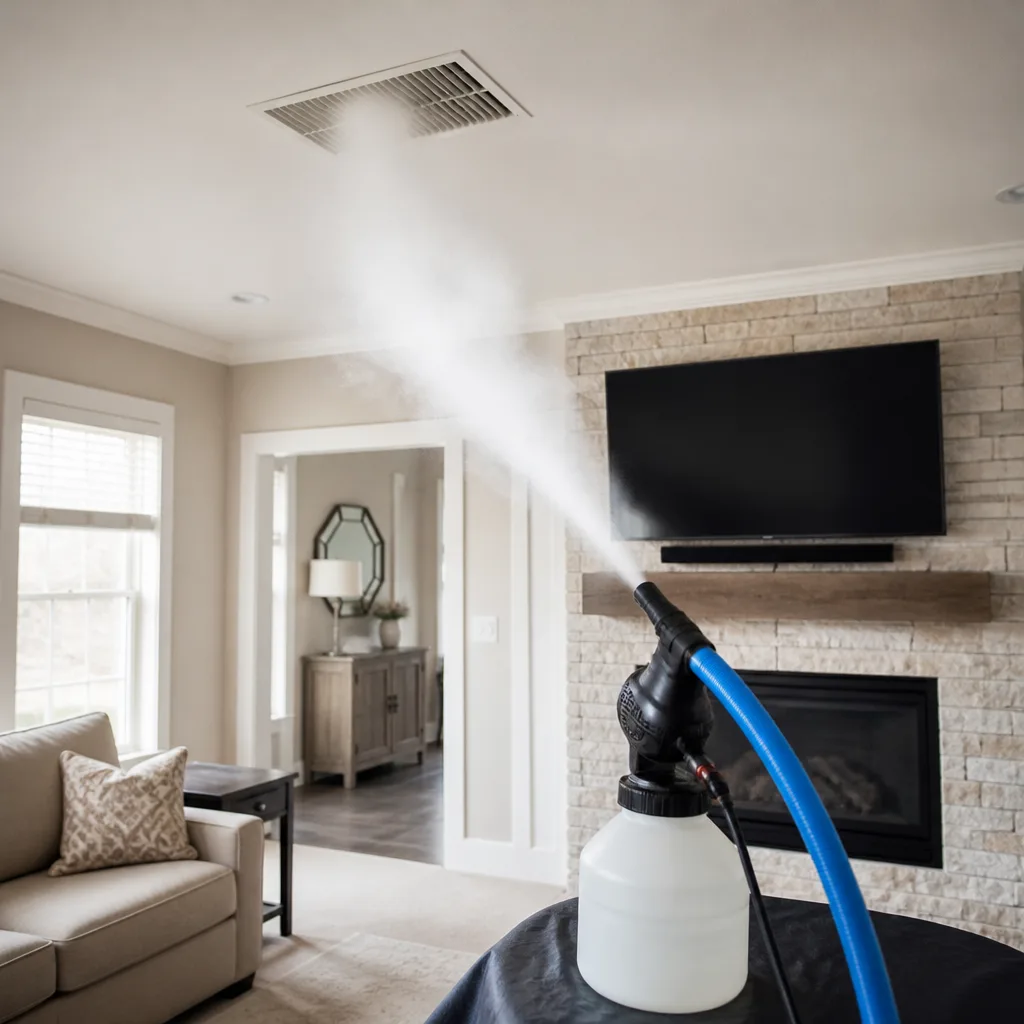 Sanitizing & deodorizing
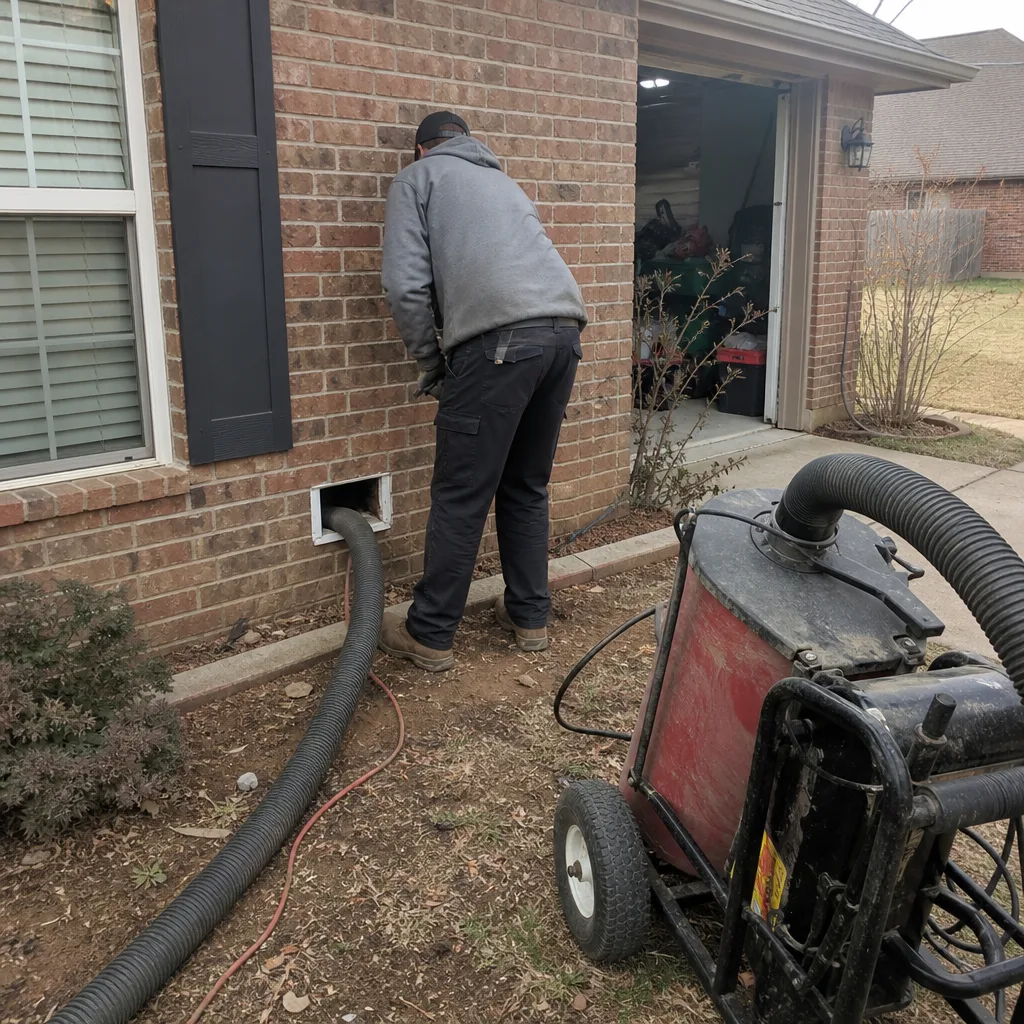
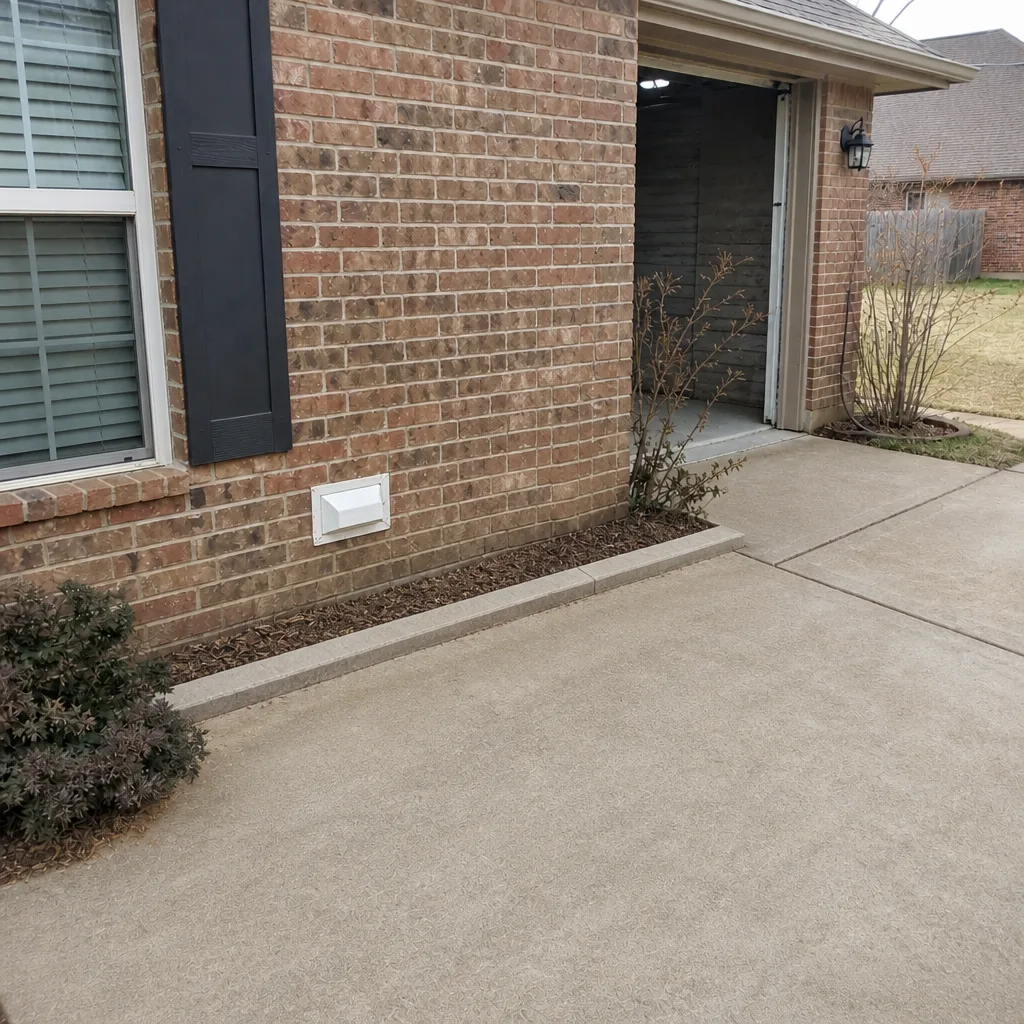
Whole-system duct and dryer vent check with before-and-after photos - you see exactly what came out of your vents
That "$99 whole-house special" is a bait ad - the real number appears once they are in your hallway, or the "clean" is a shop-vac at the register. We photograph the inside of your ducts before and after instead.
Seasonal Air Duct Cleaning Care for Edmond: Year-Round Homeowner’s Guide
The worst time to discover that your ducts are caked with spring pollen is in June, when your AC is running long cycles and that debris is recirculating through every room in the house. The window to address it was April. Most homeowners think of duct cleaning as a fixed annual event on a calendar, so it gets scheduled whenever it’s convenient. In Edmond, the better approach is to treat it as a response to actual system conditions, because central Oklahoma doesn’t stress a duct system evenly across twelve months. It concentrates the load into a few predictable windows. This guide walks through Edmond’s month-by-month air quality and HVAC stress calendar, explains why the heating-to-cooling switchover matters more than the middle of summer, and shows you how to time the work around real conditions.
Quick Answer
Air duct cleaning in Edmond is best timed to the seasonal transitions, not the extremes: late March through May to clear winter dust and incoming storm debris, and October through November when the system switches from cooling back to heating. A single well-timed cleaning and inspection at those two windows does more for indoor air quality than a midsummer cleaning scheduled only because the house feels stuffy. Filter changes, duct inspection, and any needed duct repair matter more than sticking to a rigid annual date.
Styles & brands we work with
- Whole-home duct cleaning
- Dryer vent cleaning
- Camera inspection
- Sanitizing & deodorizing
Table of Contents
- Edmond’s Month-by-Month Duct Stress Calendar
- Why the Heating-to-Cooling Switchover Is the Highest-Leverage Moment
- How Seasonal Humidity Differentials Change Dust Adhesion and Extraction Difficulty
- Post-Storm Protocol for Edmond Homes
- Seasonal Filter Upgrades: What Works in Edmond and What Restricts Airflow
- What Professional Equipment Actually Does Differently
- Duct Repair: The Part of Seasonal Care Most Companies Skip
- Dryer Vents: Seasonal Fire Risk, Not Just a Maintenance Item
Edmond’s Month-by-Month Duct Stress Calendar
The Edmond climate does something specific to a duct system each month, and knowing the sequence helps you decide when to inspect and when to hold off. Here’s how we map the year for Edmond homeowners.
January and February: Cedar and Winter Dust
Central Oklahoma’s winter air carries fine particulate from cedar and other dormant-season pollen sources, and a closed house traps that material. Furnaces run more, the return side pulls dusty air through the filter box, and any filter gaps let the fine material settle on duct interiors. This is when the accumulation starts, even if you don’t notice it yet.
March through May: Storm Season and Pollen Load
Spring brings two things at once: a heavy pollen load and central Oklahoma’s storm window. Wind-driven debris, insulation fibers, and outdoor particulate find their way into fresh-air intakes and any compromised duct joint. A duct system that was tolerable in February can be carrying significantly more material by May.
June through August: Heat Loading
When outdoor temperatures push into the nineties and the AC runs long cycles, every cubic foot of air that passes through the system passes through whatever is sitting on the duct walls. Heat loading doesn’t create debris, but it does increase the amount of air moving over existing debris and the amount of that debris reaching the living space.
September through November: The Switchover
This is the transition that matters most. Cooling stops, heating starts, and airflow direction and temperature change inside the ductwork. Dust that adhered to duct walls over a humid summer can release as the air dries and warms. This is the inspection window that most Edmond homeowners skip.
December: The Last Chance Before the Holiday Crush
By December, most homes have closed up for the season. If a filter change and a duct inspection haven’t happened since spring, December is the last low-friction window before the system works hardest through the coldest weeks.
Why the Heating-to-Cooling Switchover Is the Highest-Leverage Moment
The transition from heating to cooling, not midsummer, is the single best moment to inspect and clean ducts in central Oklahoma. Here’s why.
Over a heating season, dry warm air moves through the ductwork. Dust adhesion under dry, warm conditions is relatively weak, and the material that accumulates tends to stay loose. When cooling season starts, cold air enters the same ducts. Cold surfaces and any condensation on them make dust and debris stick differently. Debris that was floating becomes a more stubborn film on the duct interior, and the transition period is when that film starts to form.
The same logic reverses in fall. Summer cooling puts a lot of moisture in the air that moves through the ducts. When heating returns, indoor humidity drops, and debris that clung under humid conditions begins to release. Either switchover is a diagnostic moment.
What to Check at Each Switchover
- Inspect the return plenum and the first few feet of the main trunk for visible dust film.
- Check the filter box and filter slot for gaps that let unfiltered air bypass the filter.
- Look for loose or disconnected joints at flex duct connections, especially in unconditioned attic runs where Edmond heat can accelerate deterioration.
- Listen to the system on startup for airflow changes that suggest an obstruction or a collapsed duct section.
- Note any new musty smell at the supply registers when the system first runs after the switch.
If item one or two turns up meaningful accumulation, that’s the moment to clean. If it turns up a failed joint or a crushed section, that’s the moment to repair, and you’ll want a contractor who does both. We repair what we find, rather than cleaning a leaking system and leaving it leaking.
How Seasonal Humidity Differentials Change Dust Adhesion and Extraction Difficulty
Humidity governs how hard it is to get dust out of a duct. Edmond’s summer humidity is high enough that fine dust, pollen, and insulation fibers bond to duct surfaces in a way they don’t in January. By the time July arrives, extraction of that bonded layer requires mechanical agitation, not just suction.
This is the technical problem most low-bid duct cleaners don’t solve. A shop vac or a leaf blower applies air pressure. Air pressure moves loose debris. Air pressure does not reliably dislodge debris that has bonded to the duct wall under a humid summer, and it can redistribute that debris into the living space through the supply grilles.
The Two-Step Process That Solves Humidity-Related Bonding
Our standard process is mechanically agitated and HEPA-extracted. That means two distinct steps:
- Mechanical agitation with a Rotobrush rotary brush system physically breaks the bond between bonded debris and the duct wall. The brush reaches the full circumference of the duct, not just the surface a hose can reach.
- Source capture with Nikro HEPA-grade extraction equipment pulls the dislodged material out of the system at the point where it’s being agitated, before it can recirculate into the rooms.
We also use Abatement Technologies containment tools to maintain negative pressure during the work. That’s an indoor air quality protocol, not a residential-suction shortcut: the duct system stays under a controlled vacuum while it’s being cleaned. In a humid Edmond summer, the difference between a bonded duct and a clean one is usually this step, not the number of vents on the invoice.
Post-Storm Protocol for Edmond Homes
Central Oklahoma’s storm season is real, and it pushes material into duct systems through paths most homeowners never think about. After a significant wind event or hail event, the fresh-air intake and any compromised duct section in the attic are the two most likely entry points.
Numbered Post-Storm Checklist
- Inspect the fresh-air intake for debris that got past the screen or filter. This intake is designed to bring outdoor air in; it also brings in wind-driven particulate during a storm.
- Walk the attic (if accessible and safe) and look for visibly disconnected or crushed flex duct runs. Storm-driven attic movement and debris impact can damage the flex.
- Check the return grilles in each room for a sudden increase in dust or visible grit at the edges.
- Run the system briefly and note any change in smell, airflow, or noise. A new whistle or a soft spot in airflow is worth investigating.
- Replace the filter if there’s visible loading. Don’t wait for the scheduled change.
- Call for an inspection and cleaning if the intake or the return grilles show storm-driven debris. Cleaning without inspecting for damaged sections is the wrong order.
Post-storm cleaning is not the same as routine cleaning. It has to include a visual inspection of the duct run for structural damage, because a duct that took on debris is also a duct that may have taken on a tear or a disconnected joint. If we find one, we fix it as part of the same visit.
Seasonal Filter Upgrades: What Works in Edmond and What Restricts Airflow
Every spring and fall, homeowners ask whether upgrading to a higher MERV filter is worth it. It can be, but the answer depends on the system, not on the label.
Higher MERV ratings trap more particulate, but they also create more resistance to airflow. A furnace and AC system is designed around a specific static pressure. Put a filter with too much resistance in front of it, and the blower works harder, the coil airflow drops, and the system can lose efficiency or strain the blower motor. This is a real tradeoff, and it’s the one most filter marketing ignores.
What Works in Central Oklahoma
- A mid-range MERV filter matched to the equipment’s design handles the fine pollen and dust that matter most in Edmond without choking airflow.
- A filter with a proper seal at the filter slot moves more of the air through the filter medium and less around it. A loose slot is the real weak point in many homes.
- A media cabinet or 4-inch filter provides more surface area and lower resistance than a thin 1-inch filter at the same MERV rating.
- Whole-home air quality systems are a better answer than filter stacking when the goal is genuine filtration or purification. We’re authorized to install and service Honeywell and Aprilaire air quality systems, which are built to be components in the system rather than filter upgrades on top of it.
If you’re not sure which MERV your system can handle, ask before you buy the higher number. It’s a five-minute conversation that saves a blower motor.
What Professional Equipment Actually Does Differently
The gap between a competent duct cleaning and a cheap one is entirely about equipment. A shop-vac and a blower will make a system look cleaner and can make the house look dirtier for a few hours. A professional-grade stack does the actual work.
- Rotobrush rotary brush systems mechanically dislodge buildup. The brush follows the duct, agitates the full circumference, and reaches bonded material that suction alone will not move.
- Nikro HEPA extraction captures dislodged debris at the source. HEPA-grade capture is what keeps the particles from going back into the rooms.
- Abatement Technologies containment holds negative pressure on the system during cleaning. That’s the same standard used in professional indoor air quality work, not a residential shortcut.
- Guardsman access tools let us open and reseal the duct at the correct points so the system can be cleaned thoroughly and closed properly afterward.
Clean ducts start with the right equipment. When you request air duct cleaning from us, that’s the equipment that shows up, and the process uses every piece of it.
Duct Repair: The Part of Seasonal Care Most Companies Skip
Every seasonal inspection we do turns up ductwork that needs repair as often as it needs cleaning. Disconnected flex duct at the plenum, crushed sections under attic insulation, torn duct wrap, and loose takeoffs are common in Edmond homes, especially older ones and those with long attic runs that have seen multiple storm seasons.
Cleaning a leaking system and walking away is a waste of the homeowner’s money. The system will keep drawing attic air and dust through the leak, and the ducts will be right back where they started. That’s why we diagnose, clean, and repair in a single contractor relationship. We repair what we find.
Signs You Need Duct Repair Alongside Cleaning
- Visible dust streaks at the attic side of a register or a joint.
- Higher-than-normal dust settling on surfaces in one room but not others.
- Airflow that’s noticeably weaker at the registers farthest from the air handler.
- A whistling or rushing sound at any duct joint.
- Visible tear or separation in flex duct, especially in the attic.
If you see any of those, mention it when you call. A cleaning visit can turn into a cleaning-and-repair visit, which is the right outcome, and it costs far less than doing the two separately.
Dryer Vents: Seasonal Fire Risk, Not Just a Maintenance Item
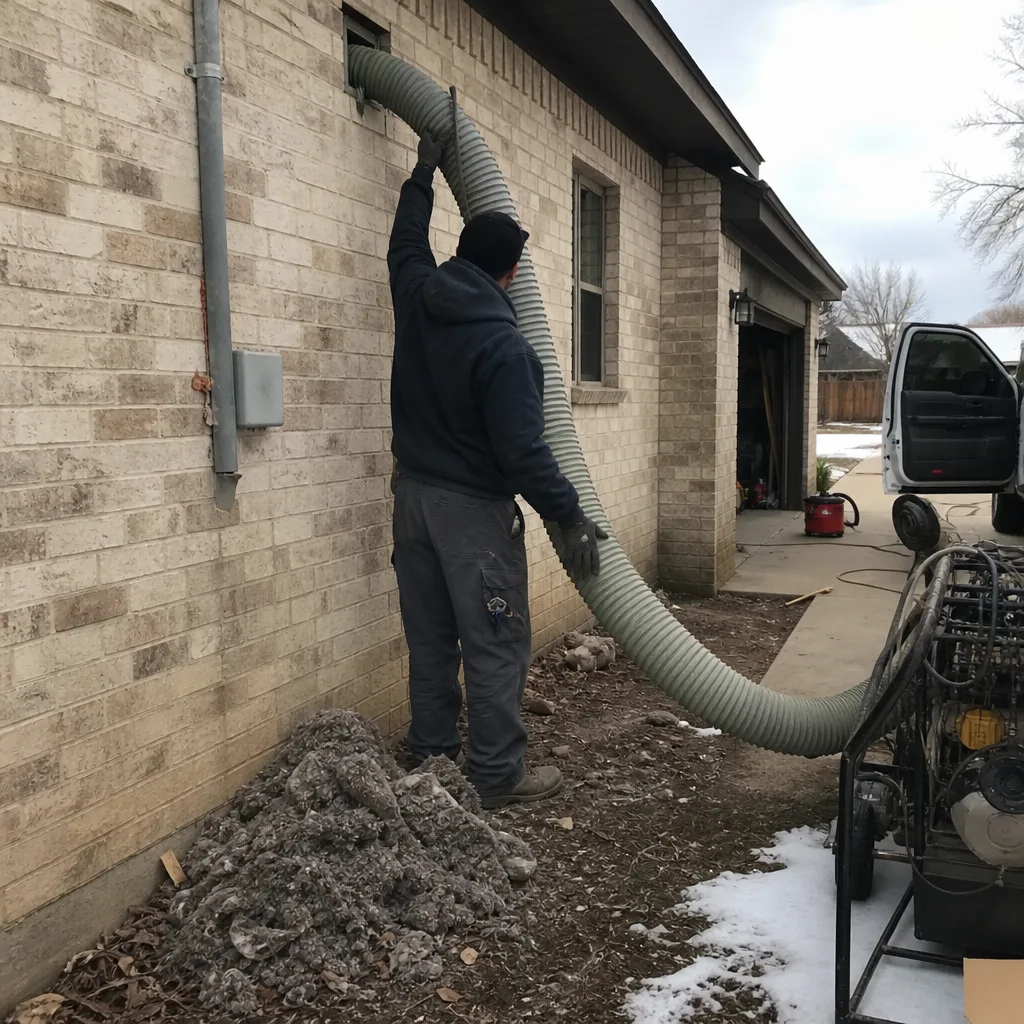
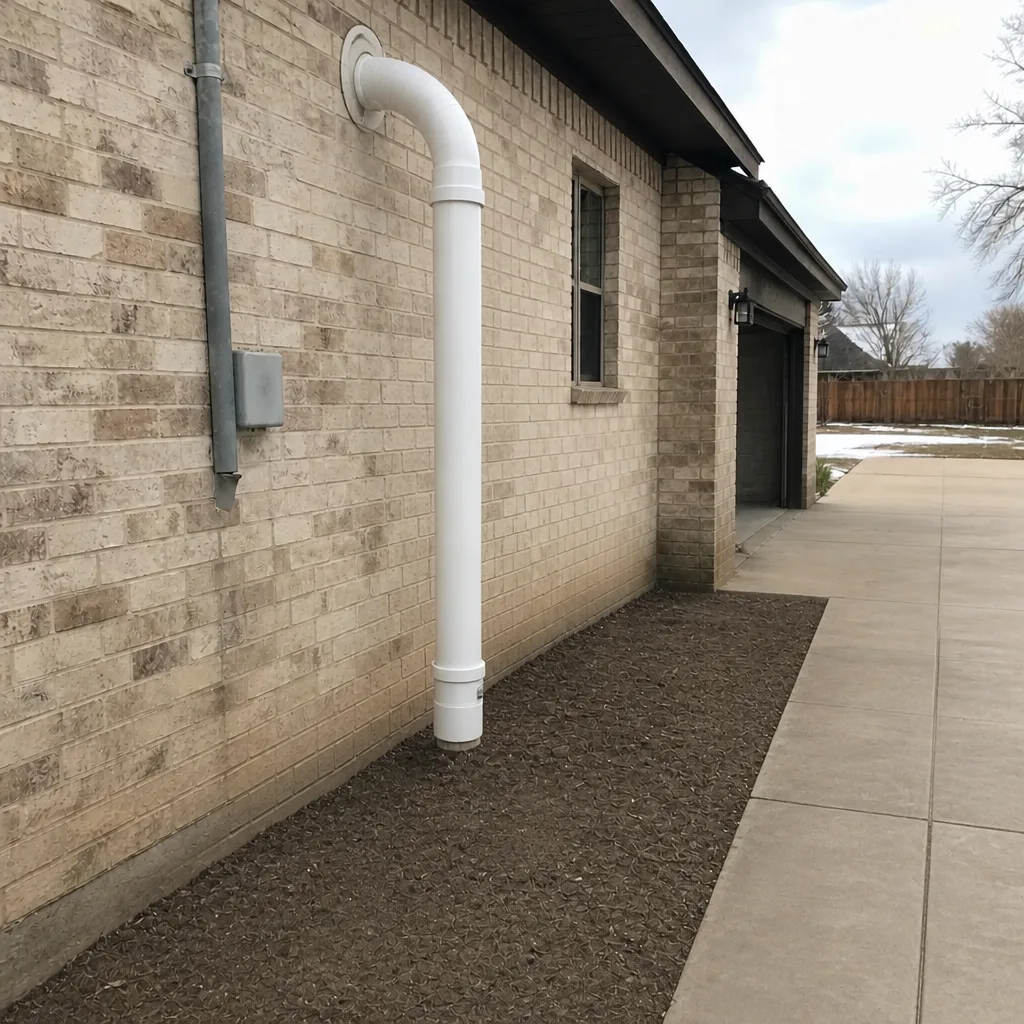
Dryer vents get treated like a task you get to eventually. They aren’t. NFPA data links clogged dryer vents to thousands of residential fires each year, and lint accumulation in the vent is the reason. In Edmond, winter brings heavier laundry loads (blankets, heavier clothing) and more load cycles, which means more lint moving through the vent, not less.
The same principle behind air dryer vent cleaning for ducts applies to the vent: mechanical agitation to break the bond between lint and the vent wall, then source capture to remove the material from the system. Blowing air through a clogged vent can compact lint rather than clear it. Cleaning the vent on a seasonal schedule, paired with the duct work, keeps a fire-safety concern from being a once-a-decade afterthought.
Common Mistakes to Avoid
- Treating duct cleaning as a fixed annual date. Edmond’s duct stress doesn’t land on the same month every year; the weather doesn’t align with the anniversary of your last cleaning. Schedule around the switchover and storm season instead.
- Skipping the pre-summer inspection because the house feels fine. Bonded debris doesn’t always register as a smell or a stuffy room, especially if the system is oversized or well-sealed. Visual inspection at the return plenum catches what your nose won’t.
- Stacking the highest MERV filter available. Higher filtration without accounting for the system’s static pressure can choke airflow and strain the blower. Match the filter to the equipment design.
- Cleaning without repairing a known leak. A disconnected flex run lets attic air and debris back into the system, undoing the cleaning within a season. If you know there’s a leak, fix it in the same visit.
- Assuming a post-storm system is fine because nothing visible came in. Wind-driven debris enters through the fresh-air intake and any compromised duct joint, and the evidence often sits in the attic, not the living room.
- Putting dryer vent cleaning off as low-priority. Lint accumulation in the vent is a fire hazard, and winter laundry load is heavier, not lighter. Route it into the same seasonal visit as the ducts.
- Choosing on the lowest coupon. A shop-vac and leaf blower can’t dislodge bonded debris, and often redistributes what it loosens. Look for equipment specificity, a clear process, and photos of the work.
See the difference
 Before
 After
 Before
 After
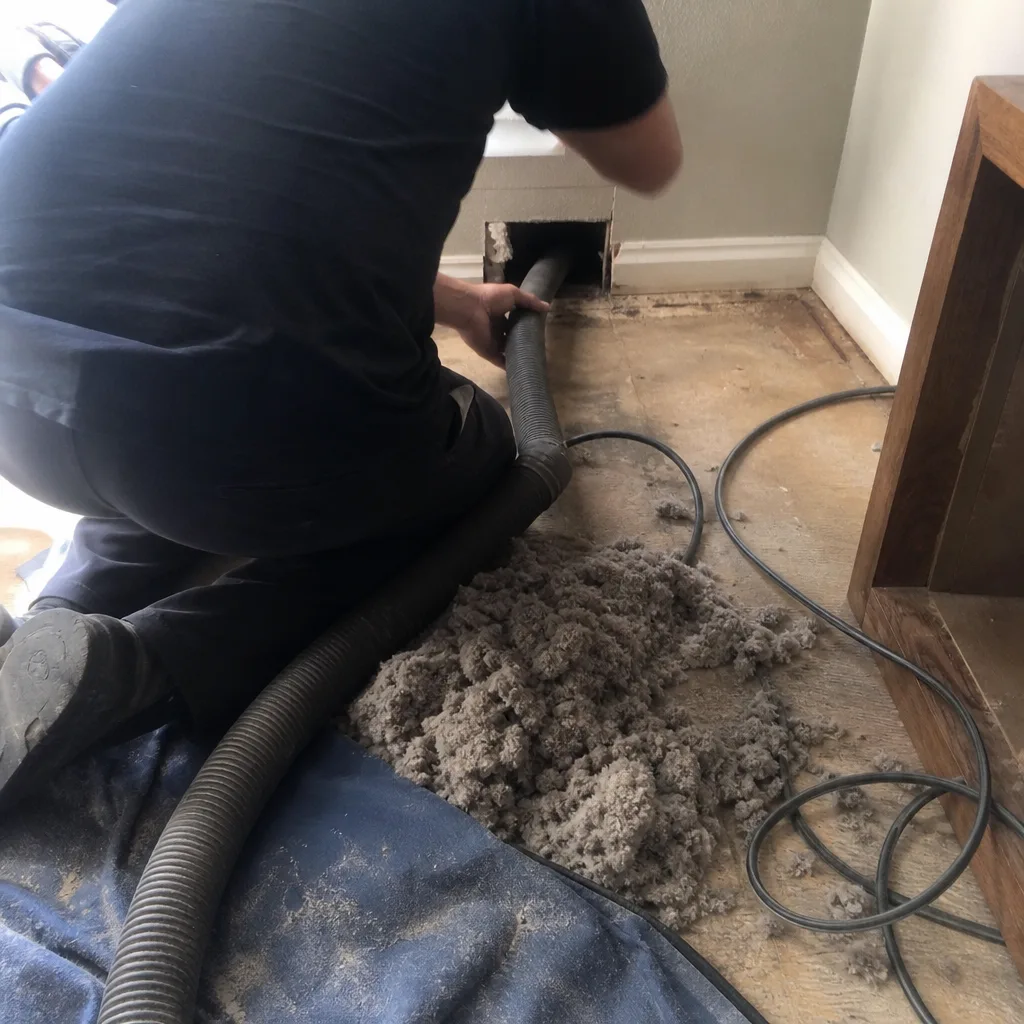 Before
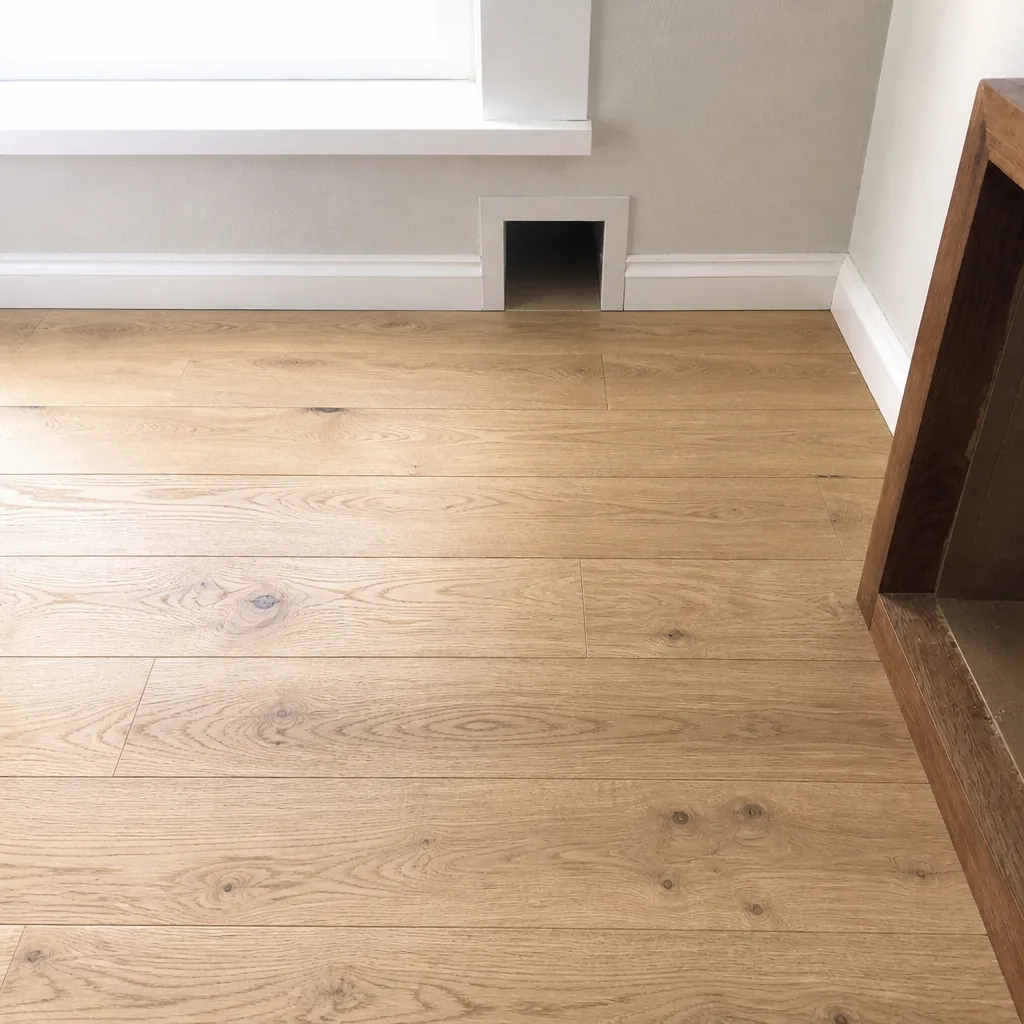 After
When to Call a Professional
Call a professional if you’re seeing the switchover signs (visible dust at the return plenum or a new musty smell at startup), if your home took on storm-driven debris, if you have allergies or respiratory concerns and want a proper inspection with mechanical agitation and HEPA extraction rather than a blower, or if you’ve just finished a renovation and drywall dust is in the system. Call us before you buy a higher-MERV filter if you’re not sure your system can handle it. Duct Cleaning Edmond offers free estimates in Edmond. Call (844) 461-1541. We answer 24/7. Fast dispatch from 7am to 7pm, Sunday through Friday.
If you’d like to see how our full process works before you call, start with Duct Cleaning Edmond and we’ll walk you through it.
Frequently Asked Questions
For most Edmond homes, cleaning at the two seasonal switchovers is a reasonable rhythm, with a post-storm inspection added after a significant wind event. That’s typically more effective than a fixed annual date because it responds to actual system conditions rather than a calendar. You may not need a full clean at every switchover; an inspection tells you. Call (844) 461-1541 for an exact quote. Estimates are free.
Both matter, for different reasons. Spring clears the winter dust load and incoming storm-season debris; fall addresses the humidity-bonded debris that built up over the cooling season and prepares the system for heating mode. If you can only do one, do the fall switchover, because the heating season air is drier and debris begins to release into the living space. Call (844) 461-1541 to schedule.
Proper duct cleaning can reduce the amount of built-up dust, pollen, and debris that cycles through the air in your home, which many people with seasonal allergies notice during the spring and fall. It works best alongside filter changes and a properly matched filtration system. We’re authorized to install and service Honeywell and Aprilaire systems if you want to go beyond filter replacement. Call (844) 461-1541 for an assessment.
A professional cleaning covers the full duct run, including the return plenum, the main trunk lines, and the branch runs, using mechanical agitation and HEPA extraction rather than just vacuuming the visible vents. A shop-vac and blower approach can’t reach bonded debris, and it can redistribute it. Ask any contractor what equipment they use. That answer tells you what you’re getting.
Yes, if your home took on wind-driven debris through the fresh-air intake or a damaged duct section, and if any flex run in the attic shows visible damage. Post-storm cleaning should include an inspection of the duct structure, not just a vacuum pass. A tear or disconnected joint that isn’t repaired will undo the cleaning within a season. Call (844) 461-1541 and we’ll inspect before we clean.
It matters more, from a safety standpoint. NFPA data links clogged dryer vents to thousands of residential fires annually. Lint accumulation is the mechanism, and winter laundry load in Edmond means fewer opportunities to skip it. We include dryer vent cleaning in the same seasonal visit as the ducts. Call (844) 461-1541 for an exact quote. Estimates are free.
The Bottom Line
Duct care in Edmond isn’t a calendar event; it’s a response to how the system actually loads across the year. The two switchover windows matter most, storm season needs a specific post-event inspection, humidity changes what it takes to extract debris, and filter upgrades have a real ceiling that depends on your equipment. The companies worth calling use mechanical agitation and HEPA extraction, contain the system while it’s being cleaned, and repair what they find rather than cleaning a leaking system and moving on. Our technicians have up to 13 years of experience working with the equipment that does the job. Duct Cleaning Edmond offers free estimates, one flat price per system agreed before work starts, and before-and-after photos of your own ducts. Call (844) 461-1541. We answer 24/7. Fast dispatch from 7am to 7pm, Sunday through Friday.
Written by the team at Duct Cleaning Edmond.