
Last updated November 15, 2026
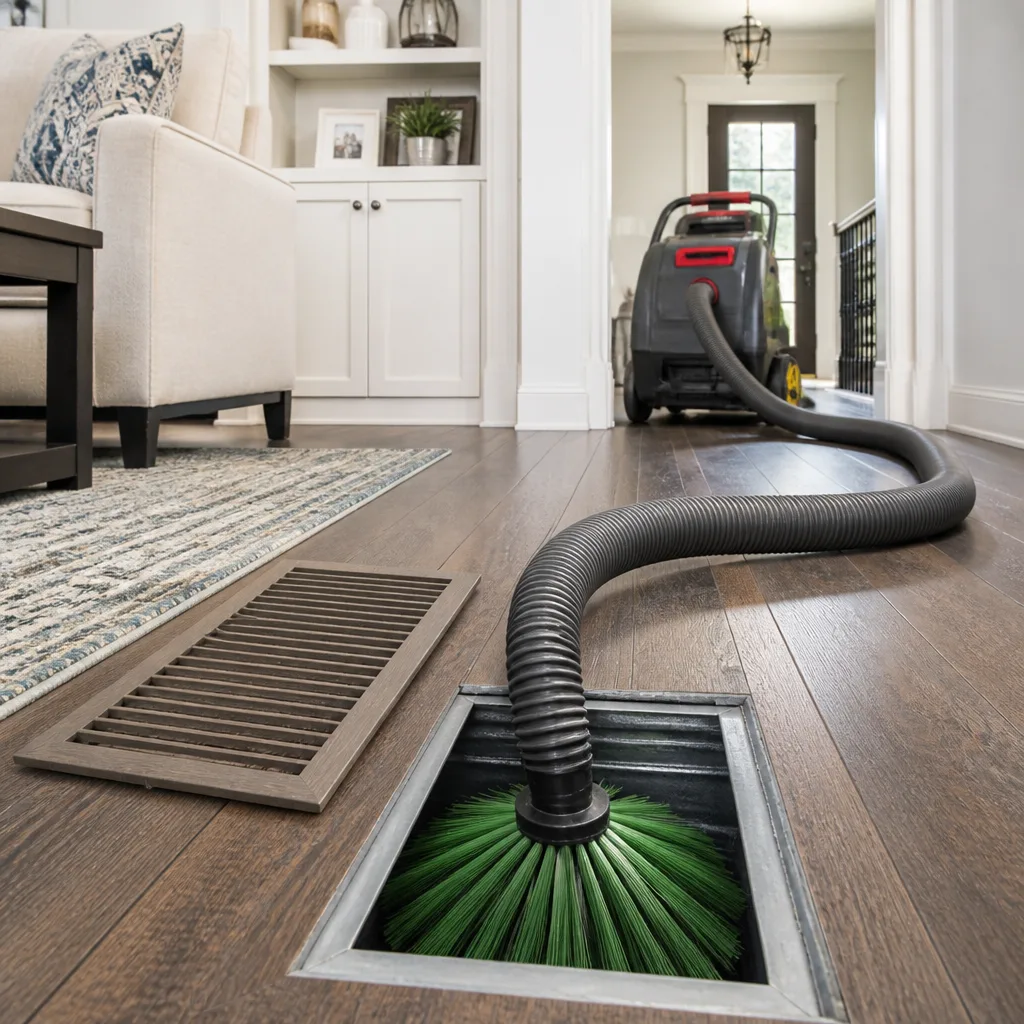 Whole-home duct cleaning
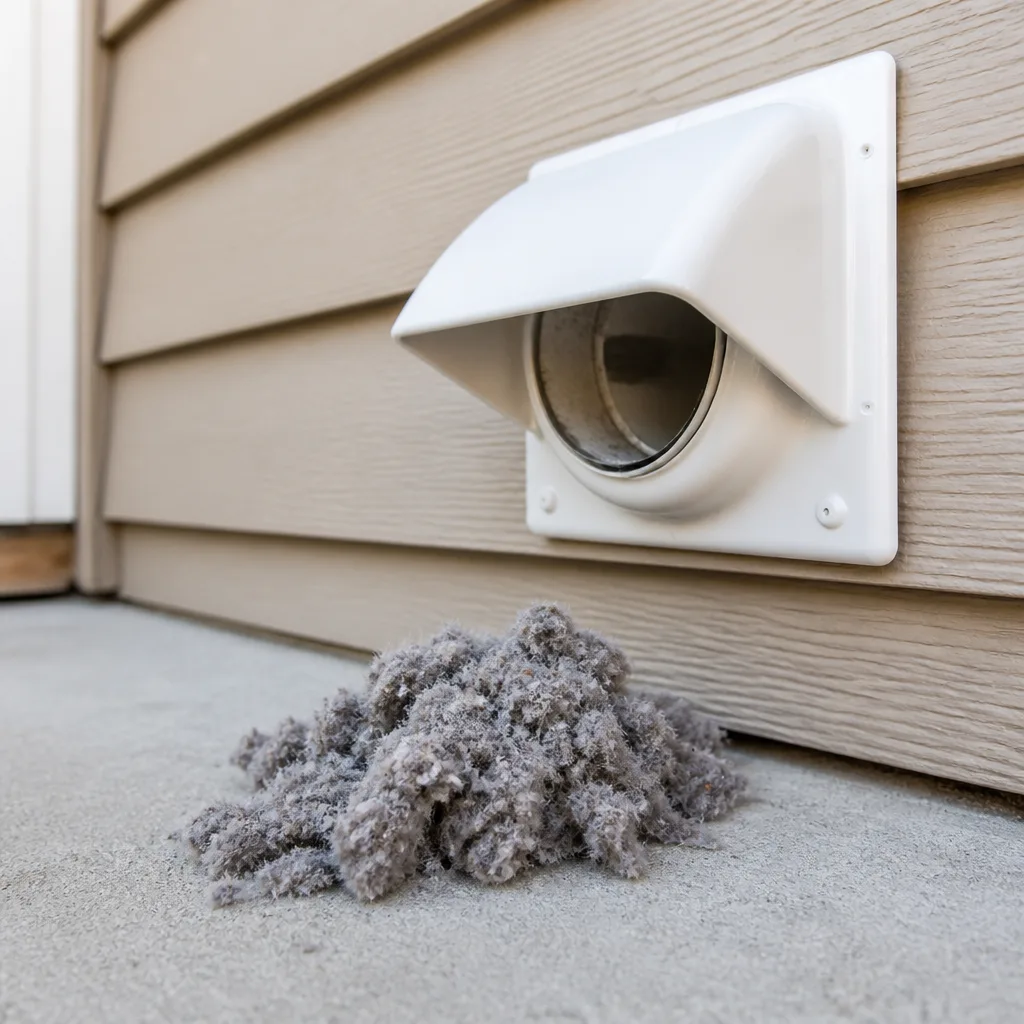 Dryer vent cleaning
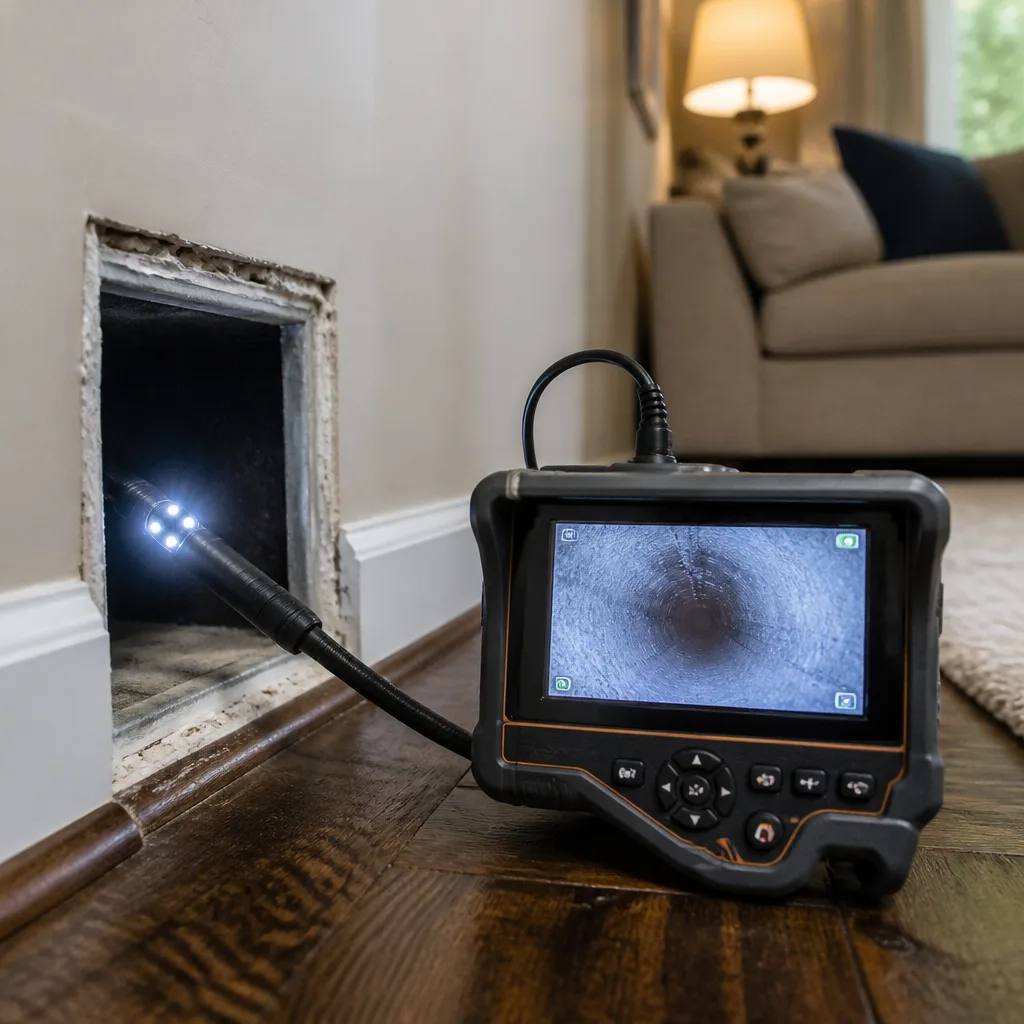 Camera inspection
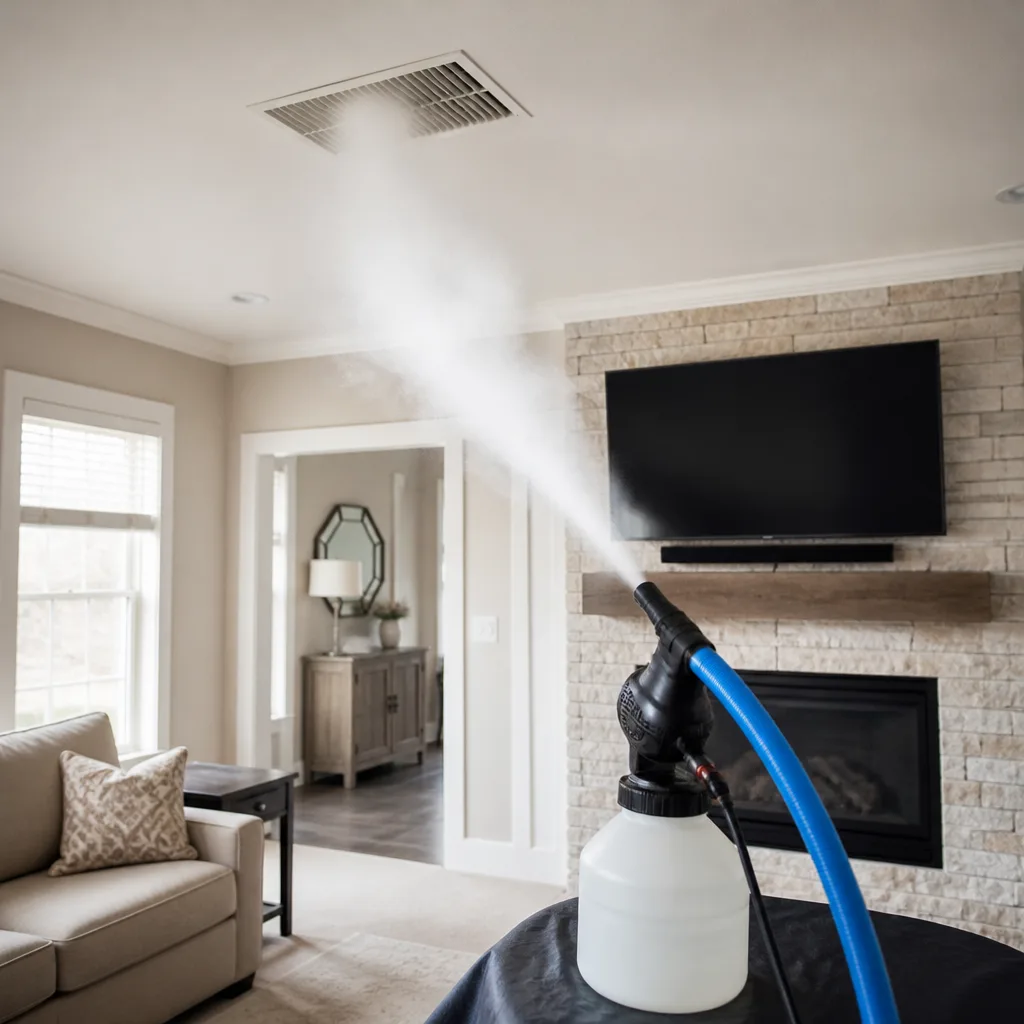 Sanitizing & deodorizing
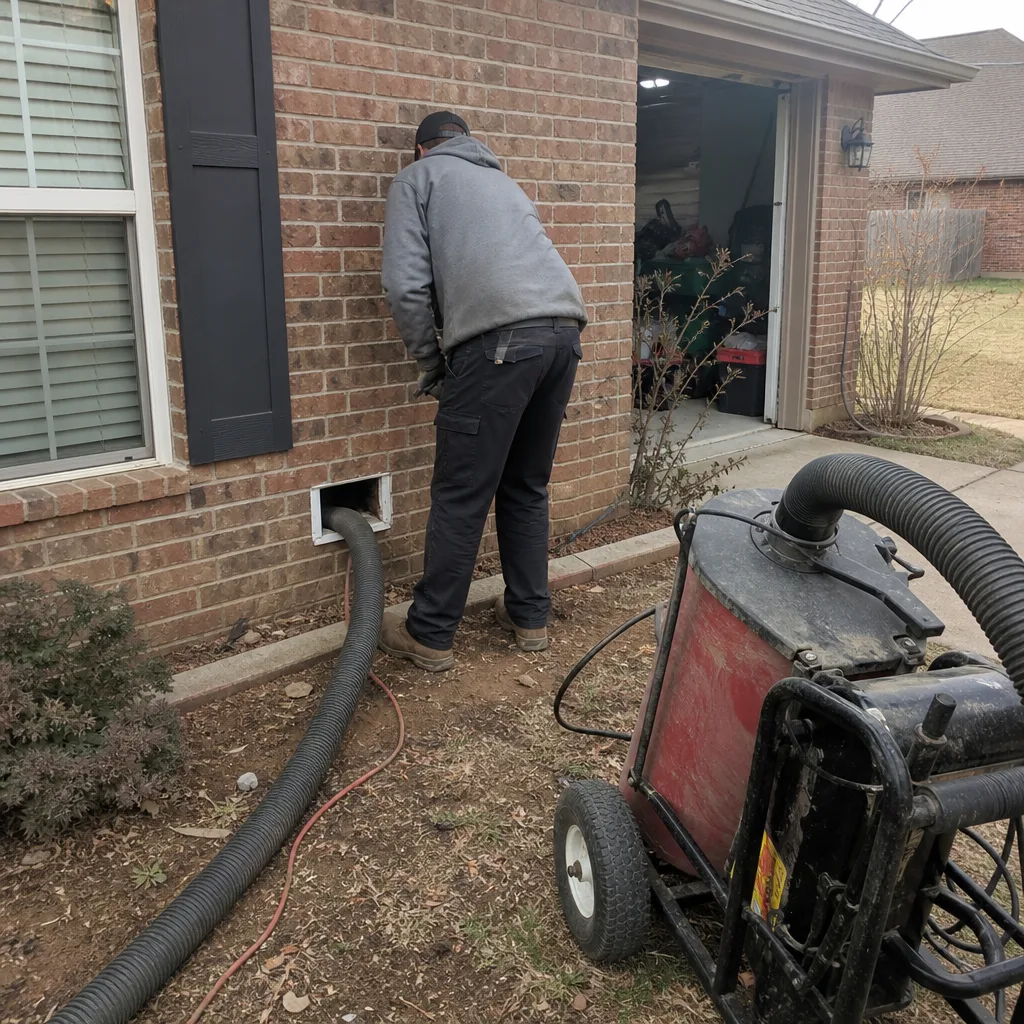
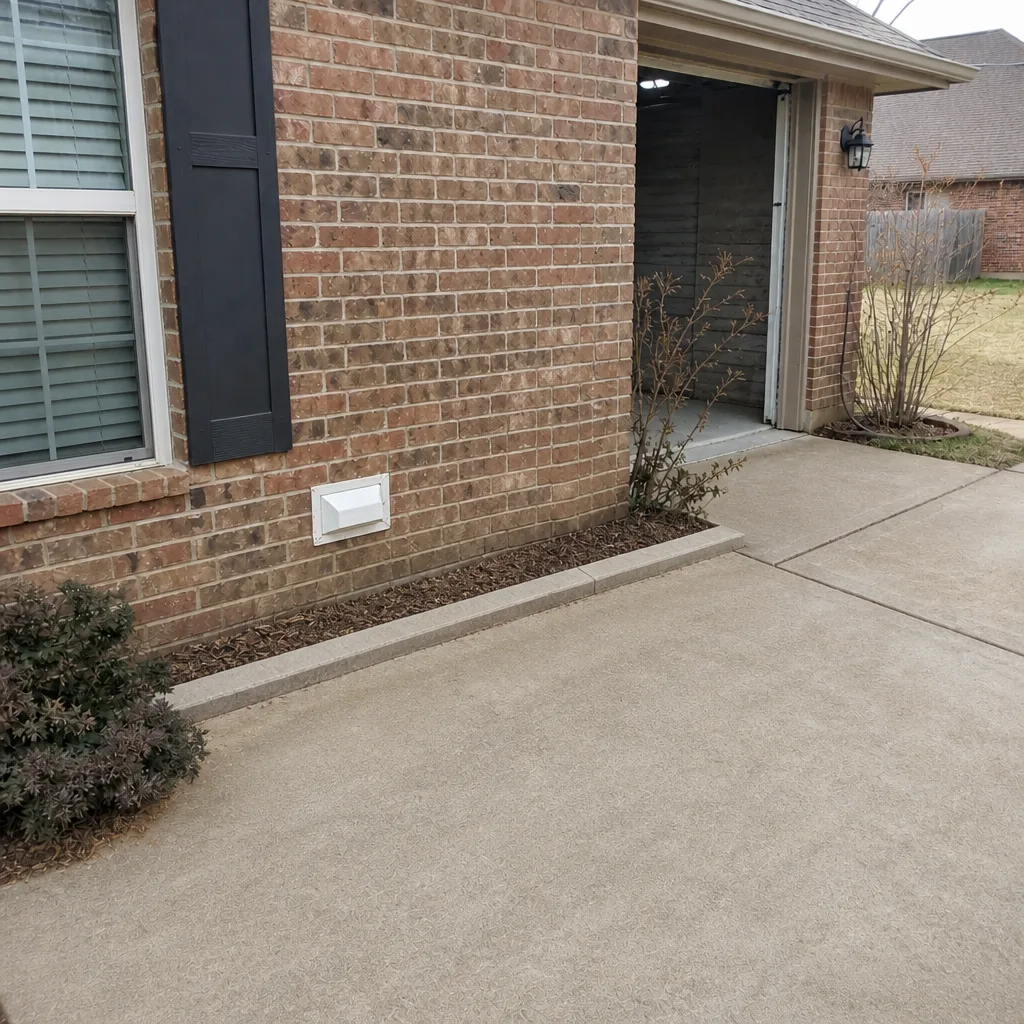
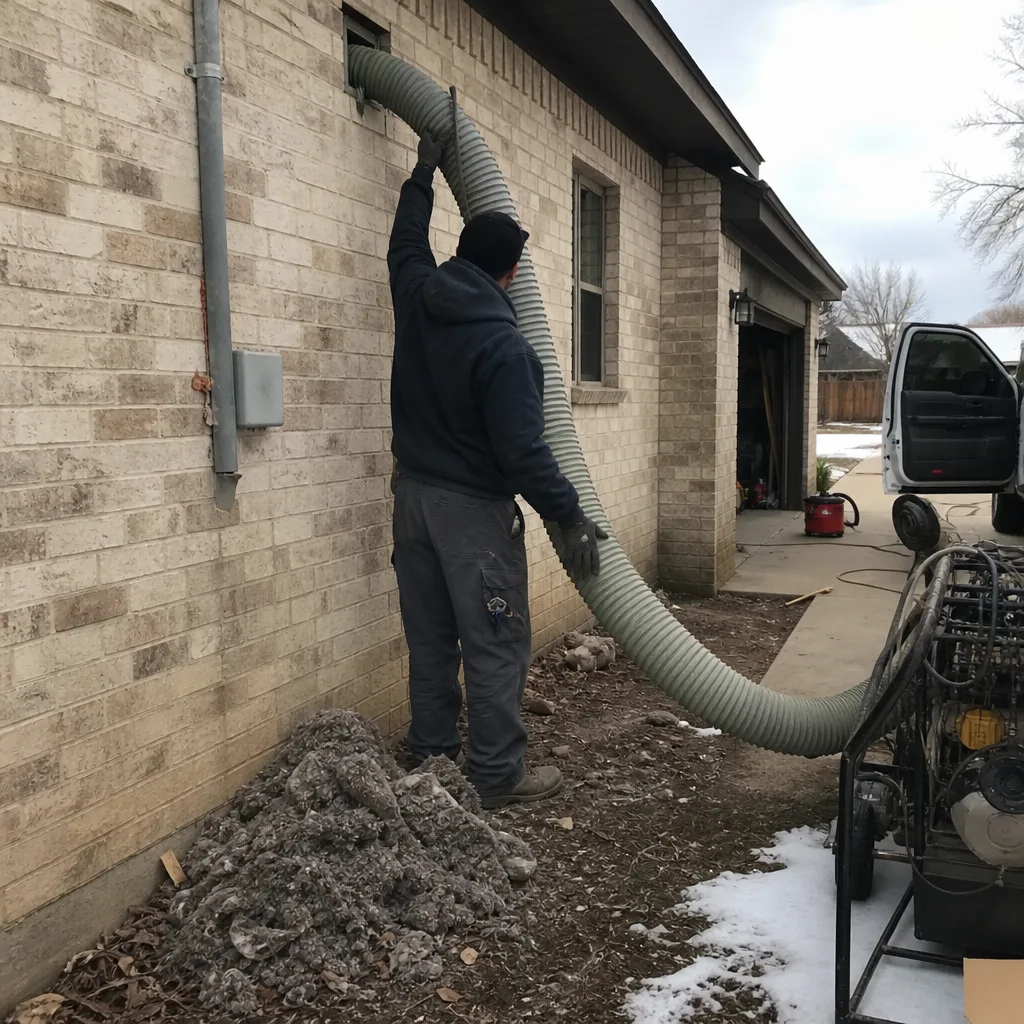
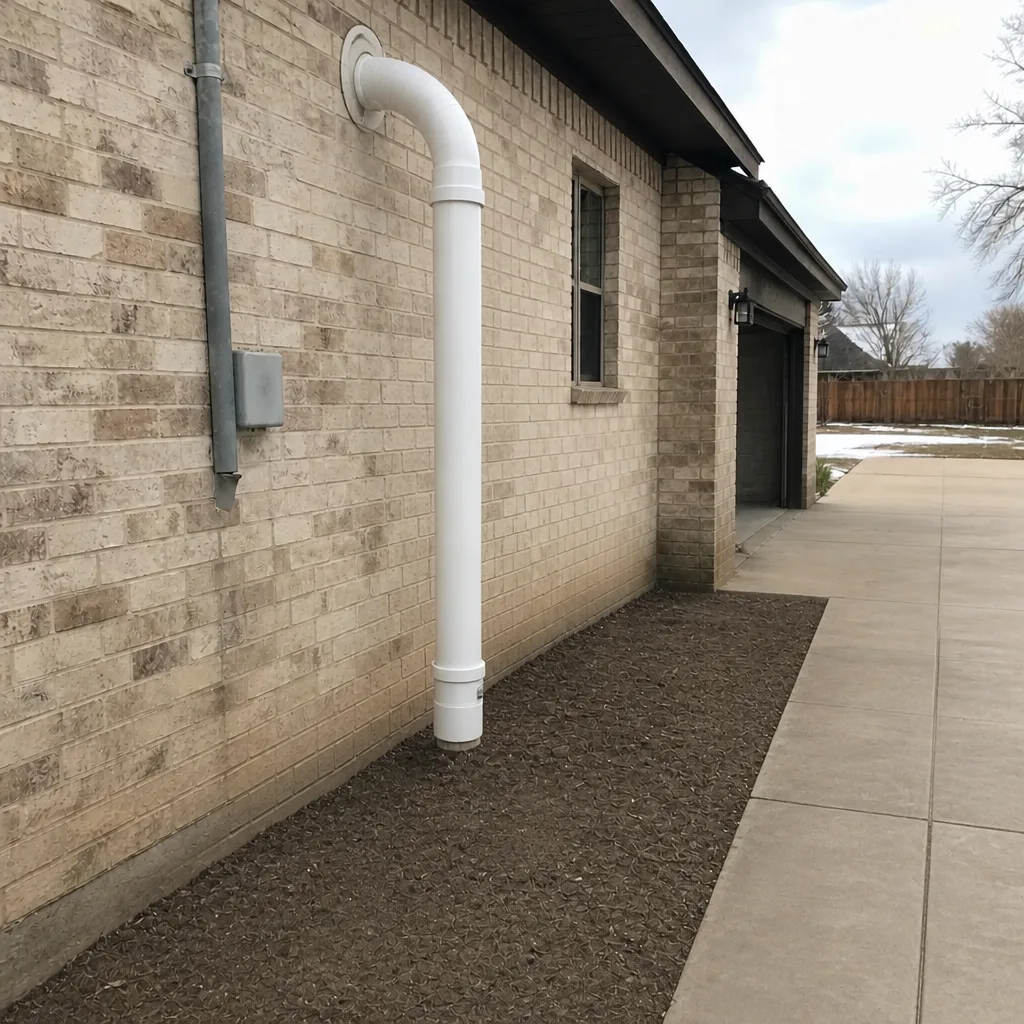
Whole-system duct and dryer vent check with before-and-after photos - you see exactly what came out of your vents
That "$99 whole-house special" is a bait ad - the real number appears once they are in your hallway, or the "clean" is a shop-vac at the register. We photograph the inside of your ducts before and after instead.
Choosing the Right Air Duct Cleaning Brand: A Buyer’s Guide for Edmond
Any duct cleaning company can buy a van wrap, list a certification logo on its homepage, and collect a handful of five-star reviews. None of that tells you whether the technician who shows up owns a mechanical brush system or a leaf blower. And that equipment question, more than any badge or website, is what actually predicts whether your ducts come out clean or just get stirred up. In this guide, we’ll show you what “brand” really means in duct cleaning, how to read process claims, and how Edmond homeowners can tell a professional operation from a lead-generation shell. You’ll finish knowing exactly what to ask before anyone steps into your attic.
Quick Answer
The right duct cleaning brand in Edmond is the one that can name its equipment and describe its process: mechanical agitation with a rotary brush system, HEPA-grade extraction that captures debris at the source, and containment tools that keep the work zone under negative pressure. A company that can also repair damaged ductwork and extend its scope to dryer vent cleaning is a better single contractor than one that only cleans. Everything else – reviews, logos, websites – is secondary to those questions.
Styles & brands we work with
- Whole-home duct cleaning
- Dryer vent cleaning
- Camera inspection
- Sanitizing & deodorizing
Table of Contents
- The Three Equipment Categories That Actually Matter
- What “Source Removal” Really Means
- Reading Edmond Reviews for Process, Not Politeness
- The Repair Capability Question
- Owner-Operated vs. Franchise vs. Lead-Gen: Spotting the Difference
- Why Edmond Homes Specifically Need the Right Process
- Seven Questions to Ask Before You Book
- Common Mistakes to Avoid
The Three Equipment Categories That Actually Matter
When we talk about equipment in this trade, we’re really talking about three separate capabilities. A company can own one, two, or all three – and the gaps tell you a lot about what a cleaning will accomplish. Weakness in any single category throws off the result.
Mechanical agitation. The first step in professional cleaning is physically dislodging the buildup attached to the inside walls of your duct. A rotary brush system like Rotobrush uses a spinning head fed down the run to break caked dust, hair, and construction debris loose from the surface. A shop vac with a hose, or a leaf blower pushed into a register, does not do this. It moves air and whatever loose material happens to come with it. The material that’s stuck – the stuff you actually want out – stays stuck.
HEPA-rated extraction. Once debris is airborne inside the system, you need to capture it before it settles back into your living space. Nikro HEPA-grade extraction equipment pulls particles through a fine filter and traps them at the source. This is the second half of the two-step process: agitate, then extract. Skip the extraction and you’ve moved dirt from the ducts into the room air.
Containment. Abatement Technologies equipment, the kind used in professional indoor air quality work, lets a technician seal off registers and keep the work zone under negative pressure. That way dislodged material has one route out and one only. Without containment, a properly agitated system can push dust out through every unsealed register in the house.
If a company can’t tell you what brand of equipment it uses in each of these categories, that silence usually means they don’t own all three. Ask. A serious operator will answer without hesitation.
What “Source Removal” Really Means
“Source removal” is a term from industry standards – the idea that cleaning should remove contaminants from the source, meaning the surfaces inside the ductwork, and not simply blow them downstream. It sounds good on a sales script. The real question is whether a company actually performs it.
Here’s a simple test. Ask the technician, before work starts, to describe the steps they’ll take from the moment they arrive to the moment they leave. A source-removal process, in order, typically looks like this:
- Inspect the system and document existing conditions with photos.
- Set up containment at registers and any accessible openings.
- Apply mechanical agitation with a rotary brush system through each run.
- Run HEPA-grade extraction simultaneously or immediately after, capturing loosened debris.
- Clean the air handler, plenum, and accessible components, not just the branches.
- Photograph the post-clean condition and walk the homeowner through the results.
A company that skips steps two through four is doing something, but it isn’t source removal. The agitation and extraction have to happen together for the process to work. And ask whether you’ll see before-and-after photos of your own system – not stock images from a brochure. That’s the difference between a documented cleaning and a claim.
We use this exact sequence on every job in Edmond, and we walk homeowners through the photos before we pack up. If the process doesn’t match the promise, the photos make it obvious.
Reading Edmond Reviews for Process, Not Politeness
Star ratings are almost useless for this decision. A five-star review can mean a technician was friendly, on time, and didn’t make a mess – none of which tells you the ducts were actually cleaned to standard. The reviews that matter describe what happened inside the system.
Look for reviews that mention:
- Specific equipment by name, such as a brush system or HEPA extraction, or a description of what the technician used.
- Before-and-after photos referenced by the reviewer.
- A technician who identified a problem during cleaning – disconnected ductwork, collapsed flex, standing debris – and offered a solution.
- An explanation of the process before work began.
- Follow-up after the cleaning, especially if an issue was found.
What to be wary of: reviews that only say “great service, very professional.” Reviews that mention a startlingly low price with no details. Reviews clustered in a narrow window. And reviews on a franchise’s national page that might not describe the franchisee who actually serviced your Edmond home.
In a market like Edmond, where a single Facebook recommendation thread can drive a company’s entire month, reviews get gamed. The process-oriented reviews are harder to fake because they require the reviewer to have actually seen the work.
The Repair Capability Question
Most duct cleaning companies only clean. That’s fine if your ductwork is intact. It’s a problem if it isn’t – and in Edmond, a lot of older housing stock has ducts that need repair before they need cleaning.
Common issues found during a real cleaning:
- Disconnected runs. Sections that have come apart at joints or fittings, sending conditioned air into the attic or crawlspace instead of the room.
- Collapsed flex duct. Flexible ductwork that has sagged or crushed, cutting off airflow to the register entirely.
- Failed insulation. The liner or wrap on flex or rigid duct that has compromised, allowing condensation and dust buildup on the wrong side of the wall.
- Leaky joints. Small gaps at seams that pull unconditioned attic air into the system.
A cleaning-only operator finds one of these and either ignores it or tells you to call somebody else. We repair what we find, which means you have one contractor relationship for diagnosis, cleaning, and repair. It’s not an upsell – it’s just the practical reality that cleaning a leaking duct system doesn’t solve the homeowner’s actual problem.
Ask any company you’re considering: if you find disconnected or damaged ductwork while cleaning, what do you do? The answer tells you whether you’re getting a full-service operation or a truck with a hose and a schedule to keep.
Owner-Operated vs. Franchise vs. Lead-Gen: Spotting the Difference
There’s a real difference between a company that owns its equipment and one that routes calls to whoever’s available in your ZIP code. All three business models show up on the first page of Google for “best air duct cleaning company Edmond OK,” and they look nearly identical.
Here’s how to tell them apart:
- Ask who will actually do the work. If the answer is “one of our technicians” without more detail, that’s a yellow flag. A serious operation can tell you something specific about the crew’s equipment and process.
- Check the phone number. A local number with a local address is a small signal but a useful one. A national 800 number that routes to a call center is not the same company you read about.
- Ask for the equipment list. A franchisee has to buy their own equipment. A lead-gen operator doesn’t own any. If you ask for the brand of the extraction unit and get a blank pause, you’ve learned something.
- Look at the breadth of services. A company that offers only air duct cleaning and nothing else is often a sales-first operation. A company that also offers air duct cleaning alongside repair and dryer vent service has equipment and training to justify both.
- Ask about the estimate. Free, in-home, and written before work starts. If pricing comes over the phone without seeing the system, or changes once the technician arrives, walk away.
The best signal of all: does the company own its equipment investment, or is it renting the service from someone else? You can usually tell within five minutes of a phone call.
Why Edmond Homes Specifically Need the Right Process
Edmond sits in a part of Oklahoma where the temperature swing between summer and winter is wide, and the shoulder seasons are short. That pattern puts real stress on residential HVAC systems. Ducts that run through attics see extreme heat in July and August, then cold in January, and the constant cycling expands and contracts the metal, flex, and insulation.
What that means for duct cleaning:
- Expanded and contracted joints open up. Seams that were tight when the house was built can develop gaps after years of seasonal cycling. Those gaps pull dusty attic air into your supply runs.
- Flex duct degrades faster. The flexible liner inside flex duct is vulnerable to the same temperature cycling. Once it starts to break down, insulation can enter the airstream.
- Static pressure varies with the season. A system sized correctly for one season may pull harder in another, which affects how much dust settles where.
This isn’t about local trivia. It’s about why an Edmond home may need both cleaning and repair even when the system “seems fine.” An intake leak at a joint doesn’t announce itself. It shows up as a dust film on the registers and higher energy costs. That’s the kind of issue a full-scope operator catches and a cleaning-only outfit misses.
Seven Questions to Ask Before You Book
Before you schedule any air duct cleaning in Edmond, work through this list. A company that answers all seven comfortably is worth your business. One that gets defensive or vague is not.
- What equipment do you use for agitation? You’re listening for a brand name, not “we use a special vacuum.”
- What equipment do you use for extraction? HEPA-rated is the standard. Anything else is a shop vac with ambition.
- Do you photograph the work? Before and after, of your own system, shared with you when the job is done.
- What happens if you find disconnected or damaged ductwork? A good answer includes repair as part of the scope.
- Do you handle dryer vents too? If a company cleans ducts, it can clean a dryer vent safely – and dryer vents are a fire risk, not just a maintenance item, so it’s worth doing by the same trusted contractor.
- Is the estimate written before work starts? It should be. One flat price per system, agreed in advance, with no per-vent pricing gimmicks.
- Are you licensed and insured? Ask. A serious company won’t hesitate.
Our own answers to those questions: Rotobrush for agitation, Nikro HEPA extraction, Abatement Technologies containment, before-and-after photos as standard practice, repair offered alongside cleaning, and dryer vent cleaning available in the same visit. Our technicians have up to 13 years of experience, and we’re authorized to install and service Honeywell and Aprilaire air quality systems when filtration upgrades make sense. Call (844) 461-1541 for a free estimate. We answer 24/7. Fast dispatch from 7am to 7pm, Sunday through Friday.
Common Mistakes to Avoid
- Booking on price alone. A quote that looks unusually low is usually low because the equipment, time, or scope is missing. You’ll pay once for the cheap job and again for the real one.
- Skipping the equipment question. If you don’t ask what kind of brush and extractor a company uses, you’re buying a promise with no way to verify it. Ask first, book second.
- Assuming a national brand means local quality. A franchise badge tells you the company bought the brand, not that it’s equipped for Edmond ductwork. The franchisee still has to own the equipment.
- Ignoring the repair conversation. A cleaning company that won’t touch damaged ductwork is leaving the actual problem in place. Ask upfront.
- Forgetting the dryer vent. Clogged dryer vents cause thousands of residential fires annually according to NFPA data. If you’re having a contractor out, it’s a natural add and worth the extra time.
- Not asking for photos. A company that won’t document the work is asking you to trust it based on a handshake. Before-and-after photos of your own system should be standard, not a special request.
- Accepting a phone-quoted price. Every system is different. A legitimate estimate involves seeing the system. Anything quoted over the phone without inspection is a wild guess – or a bait price.
See the difference
 Before
 After
 Before
 After
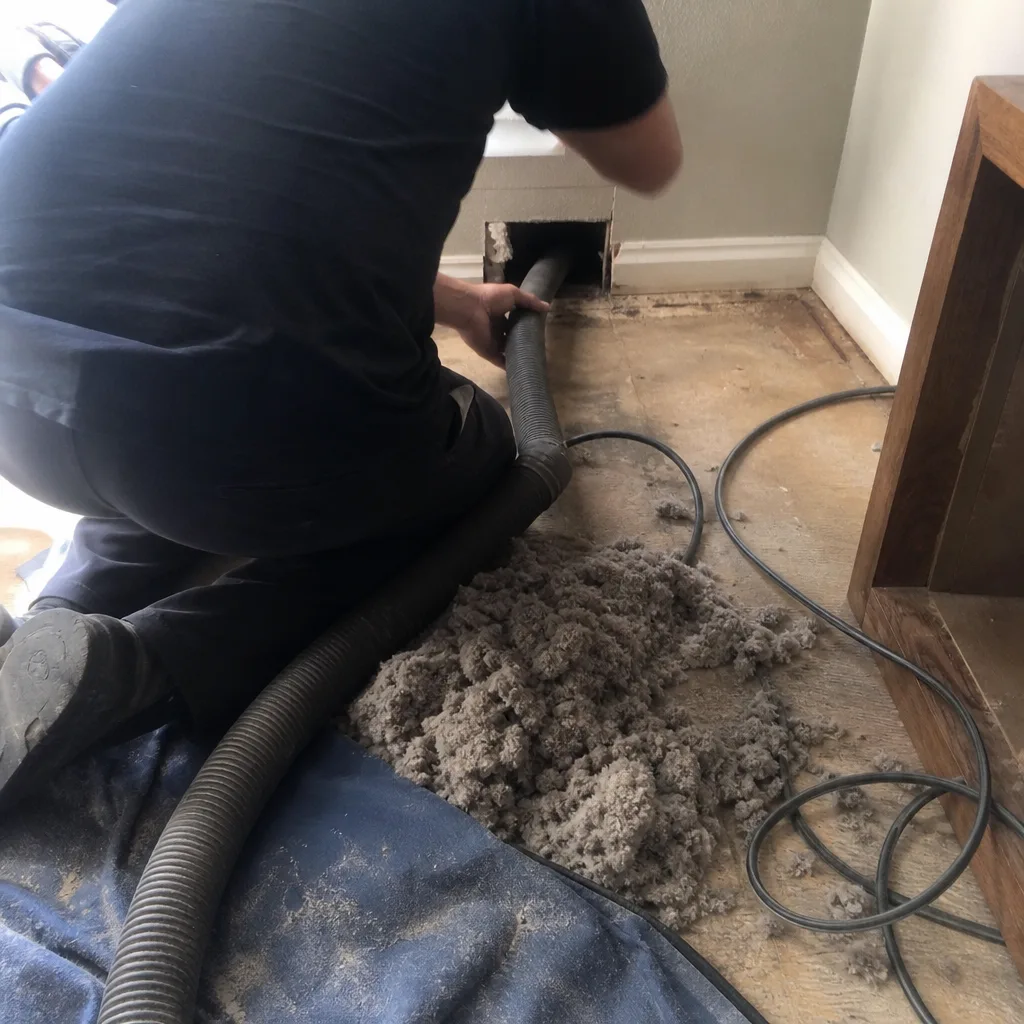 Before
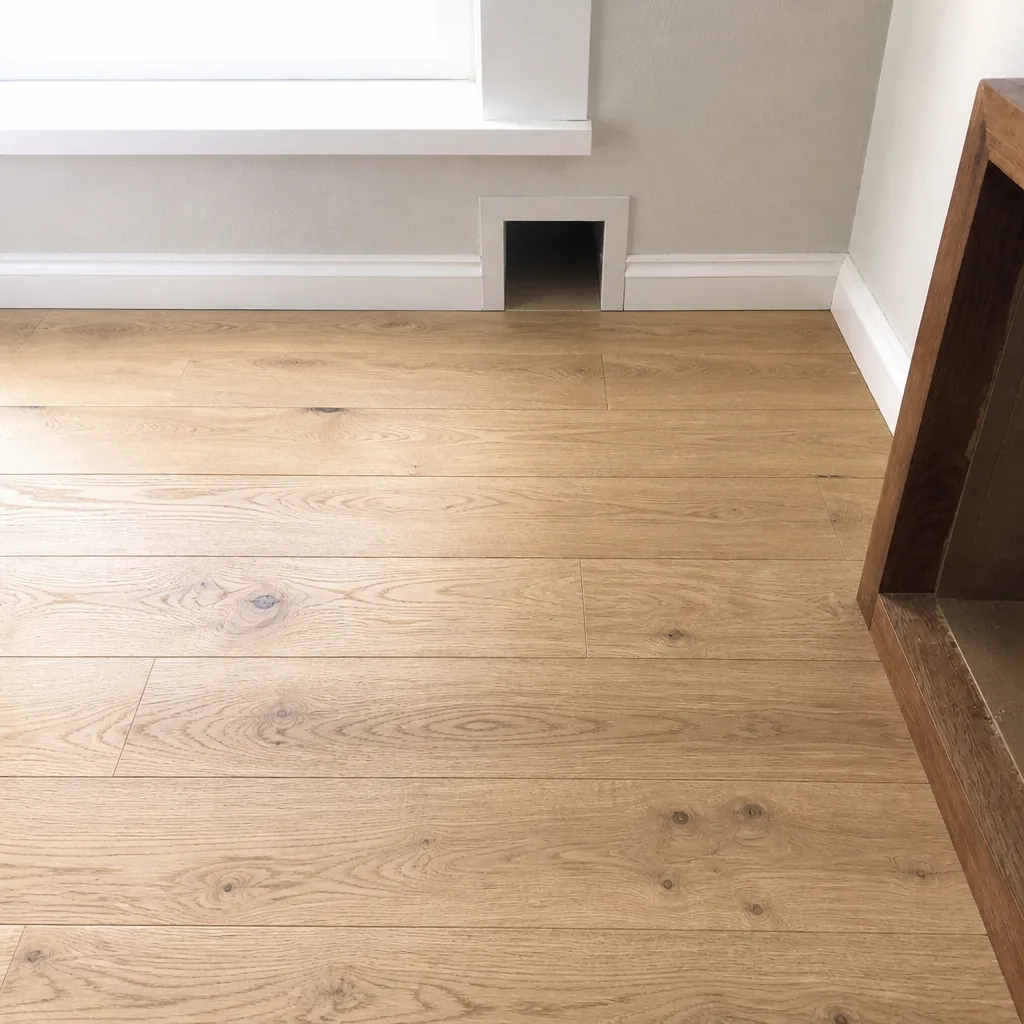 After
When to Call a Professional
Not every home needs duct cleaning on a schedule. But there are clear triggers that mean it’s time to call, in Edmond or anywhere else: a recent renovation that left drywall dust in the system, visible dust blowing out of registers when the system runs, a noticeable dust film on furniture that keeps coming back, musty odors when the HVAC starts, a recent move into an older home with unknown duct history, or allergy symptoms that worsen when the system is running. If you can hear the system but the airflow at the registers has dropped, the ducts may be blocked or collapsed – that’s a call now, not a maintenance item. Duct Cleaning Edmond offers free estimates in Edmond – call (844) 461-1541.
Frequently Asked Questions
You know a company is professional when it can name its equipment, describe its process, and show you before-and-after photos of your own system after the job. Ask about the agitation method (rotary brush systems are the standard for mechanical cleaning) and the extraction method (HEPA-grade is the benchmark). A company that can answer both clearly, offer repair alongside cleaning, and write a flat price per system before work begins is a company worth booking.
Cheap quotes are cheap because the equipment, time, or scope is missing. Low-cost operators typically run high-pressure air or a shop vac without mechanical agitation, skip HEPA extraction, skip containment, and finish in under an hour. A professional process takes longer, uses more equipment, and costs more for a reason. The low quote isn’t a deal – it’s a different service with the same name. Call (844) 461-1541 for an honest, written estimate.
Duct cleaning can reduce the amount of accumulated dust and debris that gets reintroduced into the living space when the HVAC runs. For a homeowner with allergy or respiratory concerns, source removal done properly – agitation plus HEPA extraction, with containment – removes the material that would otherwise recirculate. It’s not a cure-all, but it’s a real variable. If filtration matters beyond cleaning, we’re authorized to install and service Honeywell and Aprilaire air quality systems. Call (844) 461-1541 to discuss what makes sense for your home.
Most homes don’t need annual cleaning. A reasonable interval depends on the home – age, construction history, pet situation, and whether anyone in the household has respiratory concerns. Homes that have had recent renovations, or that are moving into their first cleaning in many years, often need a full cleaning followed by a longer interval. Homes with ongoing dust problems may need repair work before a regular interval makes sense. The honest answer is that a good contractor will tell you when a cleaning isn’t needed. Call (844) 461-1541 for a free assessment.
Yes, and it’s often the more efficient approach. Dryer vent cleaning is a fire-safety service, not just a maintenance item – NFPA data links clogged dryer vents to thousands of residential fires annually – and combining the two means one contractor relationship, one setup, and one documentation set covering both. We offer both, plus dryer vent cleaning is a natural pairing on a duct cleaning visit. Call (844) 461-1541 to schedule both.
A franchise location operates under a national brand but is a local business underneath – the franchisee owns or rents the equipment and the process quality varies by location. A local independent company is more likely to own its equipment investment directly and to be accountable to the local market. Neither model is automatically better. What matters is whether the answer to “what equipment do you use?” is specific. Ask every time.
The Bottom Line
Brand in duct cleaning is shorthand for equipment investment and process discipline. Logos, certifications, and star ratings all matter less than the three questions any serious operator should answer without hesitation: what brush system do you use for agitation, what extraction system captures what you dislodge, and what containment tools keep the work zone sealed. Add the repair question and the photo question, and you’ve covered the entire substance behind the marketing. A company that can answer all five clearly will clean your ducts once and do it right. A company that can’t is selling a service it doesn’t really provide. If you’d like to run those questions past us, we’re happy to answer them. To learn more about what Duct Cleaning Edmond does and how we approach each job, get in touch.
Ready for a Real Estimate?
If you’ve read this far, you already know what to ask. Now ask it. Call (844) 461-1541 for a free, written estimate on air duct cleaning, dryer vent cleaning, or duct repair in Edmond. We answer 24/7. Fast dispatch from 7am to 7pm, Sunday through Friday. You’ll get a process explanation, an equipment list, before-and-after photos as standard practice, and one flat price per system agreed before any work starts.
Written by the team at Duct Cleaning Edmond.