
Last updated November 15, 2026
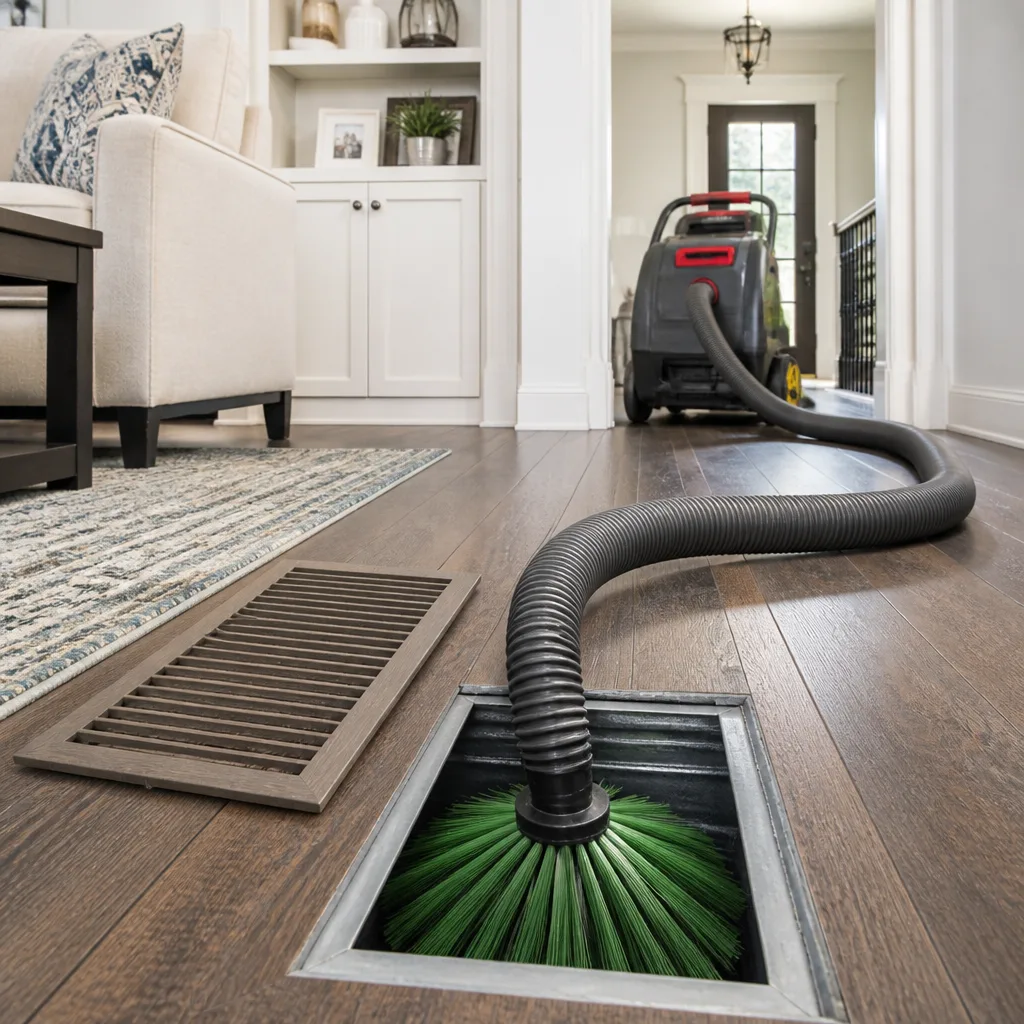 Whole-home duct cleaning
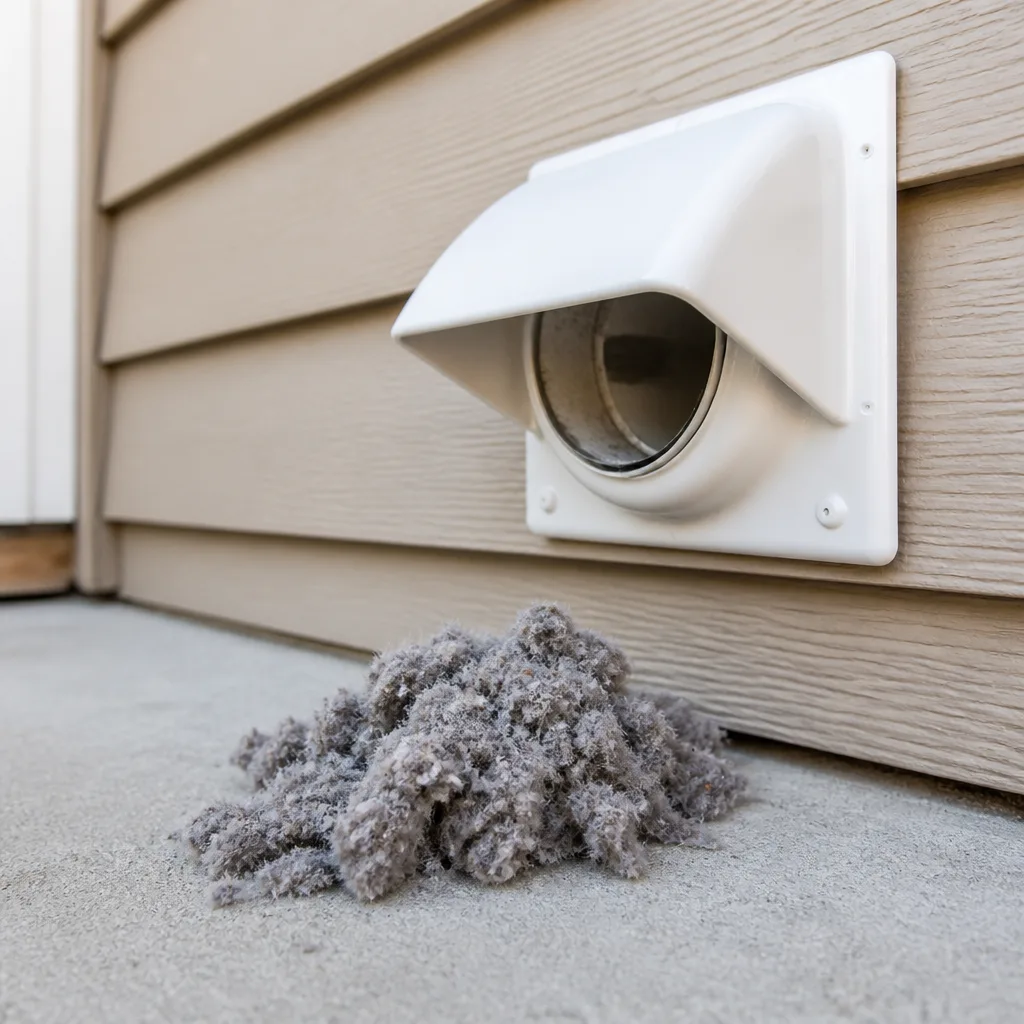 Dryer vent cleaning
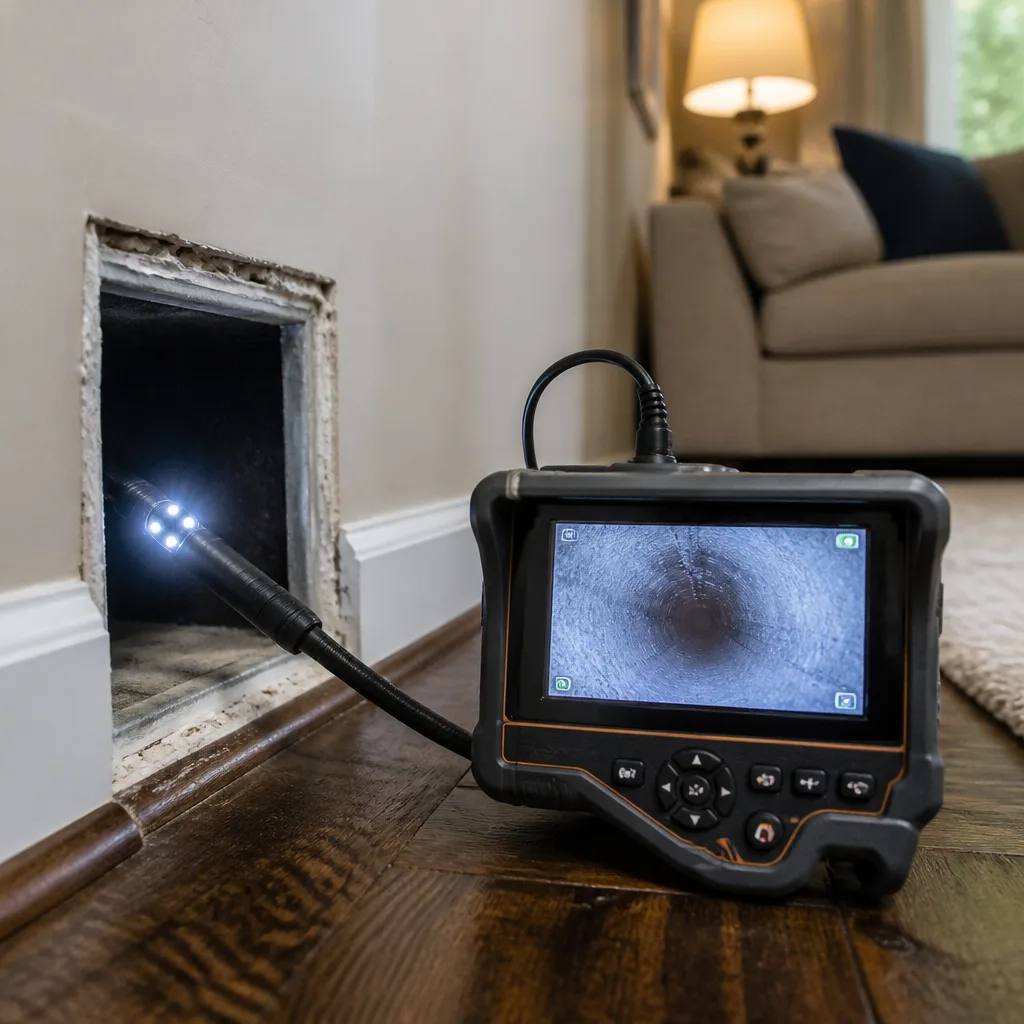 Camera inspection
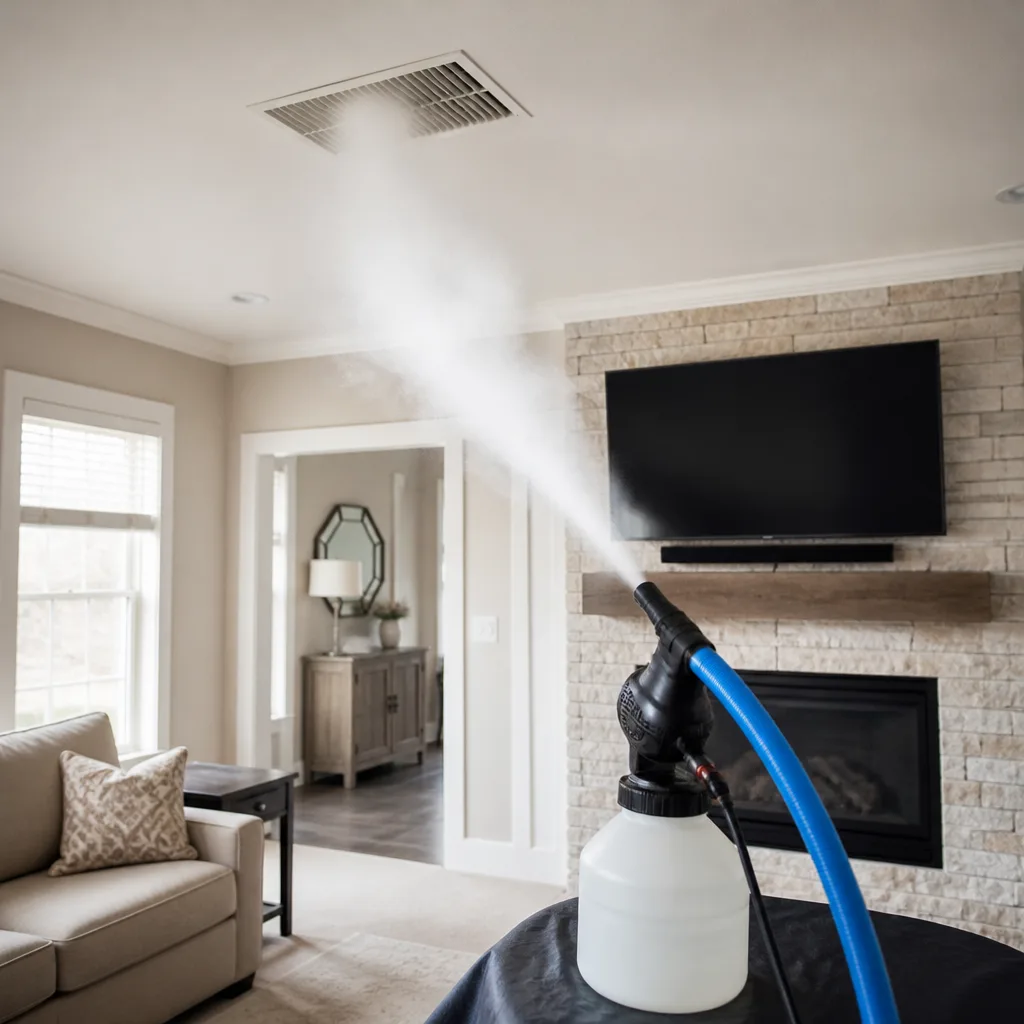 Sanitizing & deodorizing
Whole-system duct and dryer vent check with before-and-after photos - you see exactly what came out of your vents
That "$99 whole-house special" is a bait ad - the real number appears once they are in your hallway, or the "clean" is a shop-vac at the register. We photograph the inside of your ducts before and after instead.
Air Duct Cleaning Permits, Codes & Inspections in Edmond, OK: What You Need to Know
Here’s the part most homeowners don’t hear until it’s already happened: cutting into a duct system is a different trade than cleaning it. If a technician opens a plenum, installs a new access panel, or reconnects a detached trunk line, you’ve crossed from maintenance into mechanical work, and in Edmond that work falls under the Oklahoma Uniform Mechanical Code whether anyone mentions it during the appointment or not. The cleaning itself? Usually permit-free. The repair? Often not. This guide draws a clear line between the two, so you know what to sign off on before a single panel comes loose, what to ask for in writing, and where Edmond’s development services office fits into the picture.
Quick Answer
Air duct cleaning alone doesn’t require a permit in Edmond, Oklahoma. Duct repair, modification, replacement, and new equipment connections are mechanical work under the Oklahoma Uniform Mechanical Code, and they typically do require a permit issued through the City of Edmond’s development services process. The practical rule: cleaning is maintenance, and anything that changes the shape, routing, or capacity of the system is mechanical work that a licensed HVAC contractor should permit.
Styles & brands we work with
- Whole-home duct cleaning
- Dryer vent cleaning
- Camera inspection
- Sanitizing & deodorizing
Table of Contents
- Where Cleaning Ends and Permits Begin
- The Mechanical Work Categories That Need a Permit
- How Edmond’s Development Services Office Handles HVAC Permits
- Why Unpermitted Duct Repair Complicates Insurance and Home Sales
- Cleaning Contractor vs. Licensed HVAC Mechanical Contractor
- What to Get in Writing Before Work Begins
- What an Inspection Actually Looks At
- Why Edmond’s Climate Makes Duct Damage Common
Where Cleaning Ends and Permits Begin
The line between cleaning and mechanical work is real, and it’s the single most misunderstood piece of the whole conversation. Cleaning removes debris from the inside of an intact duct system. It doesn’t change the system. That’s why, in most cases, a straightforward air duct cleaning in an Edmond home proceeds without any permit at all. The work is maintenance, similar in regulatory terms to changing a filter or having the coils wiped down.
The moment the work changes the system, though, the regulatory picture shifts. A repaired trunk line is a different duct than the one that was inspected at construction. A new access panel is a new penetration in a mechanical system. A reconnected supply run changes airflow at the register. These aren’t cleanings, and the Oklahoma Uniform Mechanical Code treats them as mechanical alterations, which means permits, inspection, and a licensed mechanical contractor on the paperwork.
What this means for you as a homeowner is simple. When a technician proposes anything beyond cleaning, ask one question before agreeing: is this repair or is this cleaning? If the answer involves cutting, splicing, replacing, or resealing the ducts themselves, you’re in mechanical-work territory, and the proper steps apply.
None of this should scare you off repair. A properly permitted repair is a better repair, and it’s the kind that holds up when you sell the house. It’s the unpermitted version that creates problems later. And it’s easier to know which you’re getting if you understand what the code actually covers, which is the next piece of this guide.
The Mechanical Work Categories That Need a Permit
To make the distinction usable, here’s the practical breakdown. Under the Oklahoma Uniform Mechanical Code, the items on the left side of this list typically require a permit; the items on the right side generally don’t, because they’re maintenance on the existing system rather than changes to it.
Work that typically requires a permit
- Replacing duct runs or trunk lines. New duct material, new routing, or a change in the size of a duct is a mechanical alteration.
- Cutting in a new access panel or cleanout. Any new penetration that isn’t part of the original design usually needs sign-off.
- Reconnecting a detached duct. If a run has fallen off a plenum or a boot has come loose, reattaching it is a repair, and repairs to mechanical systems are permit work.
- Sealing a leaking plenum or main trunk. Mastic and tape applied to mechanical joints is a modification to the system, not a cleaning.
- Connecting new equipment. Adding a whole-home air purifier, media filter cabinet, or dehumidifier ties into the ductwork and the electrical system.
- Rerouting ducts to serve a new space. A finished room, a garage conversion, or a bonus space over the garage changes the system layout.
Work that typically does not require a permit
- Standard source-removal cleaning of an intact duct system.
- Replacing filters and filter grilles with the same size.
- Cleaning the blower compartment or evaporator coil exterior.
- Replacing a register or return grille with an identical size, when no framing or ductwork changes.
- Sealing with tape at an exterior joint where the underlying duct is unchanged (verify with your contractor; some repair applications still trigger permit review in practice).
These categories aren’t a legal opinion, and Edmond’s building department is the final authority on any specific job. But they give you a working vocabulary. When a contractor proposes work, you’ll know which side of the line it likely falls on, and you can ask the right question before authorizing it.
Ducts in Edmond homes are commonly in attics, which adds a wrinkle. Attic ductwork in this part of Oklahoma faces significant temperature swings, so a damaged duct is often a failing duct in more than one place, not just the spot that’s visibly loose. That’s why we repair what we find during a cleaning rather than just cleaning over the problem. But the repair itself has to be done right, permits included. Our technicians have up to 13 years of experience, and the first thing we do when we suspect a duct failure is confirm whether it’s cleaning or mechanical work.
How Edmond’s Development Services Office Handles HVAC Permits
The City of Edmond issues mechanical permits through its development services office, which handles building, mechanical, plumbing, and electrical permitting together. For HVAC mechanical work, the process typically moves in a predictable sequence, and knowing it helps you verify that any proposed repair will be properly tracked.
- The licensed contractor applies for the permit. The permit application comes from the licensed mechanical contractor doing the work, not the homeowner and not the cleaner. The application identifies the scope, address, and contractor license.
- The city reviews the scope. For a straightforward duct repair, the review is often administrative. For larger alterations or equipment additions, plan review may be involved.
- The permit is issued and posted. The permit should be posted at the job site or available on request. Ask to see it.
- Work is performed, then inspected. The city may require an inspection before the work is considered complete. For duct work, the inspection is typically a visual verification that the system as installed matches the permit scope and meets code.
- The permit is closed. A closed permit is your paper trail that the repair happened the way it was described.
If you’re going to be signing off on a repair, ask your contractor three things before work begins: who holds the mechanical license, what the permit number will be, and whether an inspection will occur at the end. A contractor who does this regularly has ready answers. One who doesn’t will usually change the subject.
For Edmond homeowners, the local office handles mechanical permits in the same development services pipeline as new construction, remodels, and accessory structures, so the process moves with the same general timing. That means a permit for a duct repair isn’t some obscure add-on. It’s part of the normal course of building department work in Edmond, and it’s how you know the repair will be done to a standard you can count on at resale.
Why Unpermitted Duct Repair Complicates Insurance and Home Sales
Most homeowners don’t think about permits until something goes wrong. Then they matter a lot. Here’s how unpermitted duct repair tends to surface later.
Insurance claims
When you file a homeowners insurance claim that involves the duct system (water intrusion through a failed duct, storm damage that exposed ductwork, or a fire that traced back to a mechanical fault), the adjuster investigating the claim will look at whether the mechanical work was permitted and inspected. If it wasn’t, the insurer may dispute coverage on the argument that the work wasn’t done to code, or they may cover the damage but insist that the ductwork be brought up to code before they’ll continue the policy. Either way, the unpermitted repair becomes the homeowner’s problem.
Disclosure at sale
Oklahoma residential property disclosure requires sellers to disclose known material defects. A duct repair done without a permit, or done in a way that doesn’t meet code, can become a disclosure item. That means it follows you to the closing table, and it’s the kind of thing that shows up in a buyer’s inspection report. An inspector who finds a visibly spliced trunk line with no permit record is professionally obligated to flag it, and that flag usually creates a negotiation problem.
The permit closes the loop
A permitted and inspected duct repair closes these loops before they open. You have a paper trail, you have a licensed contractor on record, and you have an inspection confirming the work matches the scope. If you go to sell the Edmond house, the permit is a selling point, not a problem to explain. That’s the practical reason to insist on it before the first panel comes loose.
Cleaning Contractor vs. Licensed HVAC Mechanical Contractor
These are two different credentials, and knowing the difference tells you which one you need for which job.
A cleaning contractor focuses on source removal: agitating debris inside the ducts and extracting it. This is the work that doesn’t require a permit and doesn’t touch the mechanical system’s structure. A good cleaning contractor has professional equipment (rotary brushes, HEPA extraction, containment), a defined process, and before-and-after documentation of the specific system in front of them. At Duct Cleaning Edmond, we run a Rotobrush rotary brush system to dislodge buildup mechanically, Nikro HEPA-grade extraction to capture it at the source, and Abatement Technologies containment tools to keep the rest of the house clean during the work. That’s the cleaning side.
A licensed HVAC mechanical contractor holds the credential to do the work that requires a permit: altering ducts, reconnecting runs, adding equipment, changing the system’s physical configuration. When a cleaning appointment turns up a duct that’s failed (a fallen run, a separated plenum, a boot that’s come loose from the register), the repair portion of the job is mechanical work, and it should be done under a permit by a licensed mechanical contractor.
The right answer at a cleaning appointment is not “we’ll just clean it and hope for the best.” The right answer is to identify the failure, tell the homeowner what repair is needed, confirm whether a permit applies, and let the homeowner decide before anything is cut. We repair what we find, but we’re explicit about the difference between cleaning and mechanical repair, and we don’t blur that line to close a ticket. That distinction protects you at insurance time and resale time.
This is also why the cleaning and repair industries have gotten confused. Plenty of duct cleaners are willing to seal a leak or reconnect a fallen run and call it “included in the cleaning.” If the work then fails later, the homeowner is left explaining an unpermitted repair to a buyer, an inspector, or an adjuster. That’s the ugly version of the story, and it’s completely avoidable.
What to Get in Writing Before Work Begins
If any duct modification is proposed during a cleaning appointment, get the scope in writing before authorizing it. The written record is the difference between a repair you can prove and a repair you have to explain. Here’s what to ask for.
- A written description of the damage. Where exactly is the failed component? A photo taken by the technician is reasonable and standard. If a plenum is disconnected or a duct run has collapsed in the attic, a photo shows you the problem before you authorize the fix.
- A written scope of the repair. What will be replaced, spliced, resealed, or reconnected. “We’ll fix it” is not a scope. “Replace 8 feet of flex duct and reconnect at the trunk collar” is a scope.
- The name and license number of the contractor performing the repair. If the cleaning contractor is not themselves a licensed mechanical contractor, the repair should be performed by one who is. Get that name in writing.
- The permit number, or a written statement that no permit is required and why. If a permit is needed, the contractor should be applying for it, and you should have the number. If the contractor argues no permit is needed, get the reasoning in writing. A licensed contractor will understand what triggers permit review and can tell you clearly.
- Whether an inspection is included. Confirm that the work will be inspected by the city at closeout, when applicable.
- The price, in writing, per job. A written estimate should list the repair scope and the price together, so there’s no ambiguity later about what was agreed.
- A before-and-after photo of the repaired duct, or the cleaning itself when relevant. A good contractor will document both.
None of this is unreasonable. If a contractor balks at providing these written items before beginning, you have your answer about how the repair will go. Legitimate mechanical work in Edmond is documented, permitted when required, and inspectable.
One more item is worth adding to the list: ask whether the duct repair changes the system’s rated performance in any way. If a contractor is proposing to replace a section of hard duct with flex, or to reseal a plenum with mastic, the change can affect airflow downstream. Ask what the expected effect is. That question alone separates a provider who’s thought about the system from one who’s just patching a hole.
What an Inspection Actually Looks At
When a duct repair is inspected, the city inspector is typically verifying a few specific things. Knowing what those are helps you understand what the permit is actually buying you.
- That the work matches the permit scope. The installed duct should match what was described on the application. Silent additions (extra runs, changed sizes) get flagged.
- That the connections are mechanically sound. Duct connections should be secured with the appropriate fasteners and sealed. The inspector is looking for the connection to hold and the seal to be intact.
- That materials meet code. Duct materials, sealants, and insulation should meet the code requirements applicable to the installation. This isn’t a lab test; it’s a visual check against the applicable specification.
- That the access is adequate. If the repair introduced a new component, the inspector wants to see that it can be serviced and inspected later.
- That clearances and support are correct. Ductwork in attic spaces needs proper support and clearance from heat sources. Edmond inspectors know the local attic conditions and check accordingly.
The inspection is not a duct cleaning inspection and not an IAQ (indoor air quality) measurement. It’s a code compliance check on the mechanical work. That’s exactly what you want it to be: the construction of the repair confirmed against the standard, in writing, with the city’s sign-off in the file.
Why Edmond’s Climate Makes Duct Damage Common
Edmond sits in a part of Oklahoma where attic temperatures swing hard between summer and winter, and ductwork in those attics takes the brunt of it. Flex duct in particular expands and contracts repeatedly through the seasons and can develop small separations over time at the connections. Insulation degrades under repeated heat cycling, and sealed joints eventually lose their seal.
Add to that the region’s severe weather season. Hail, high wind, and the occasional roof or window repair job can dislodge attic ductwork, and a duct that comes apart during a storm isn’t always obvious from inside the house. The symptom is usually uneven cooling or heating, or a room that loses airflow. In our experience, it’s worth having the duct system inspected by a professional any time a home has had significant attic work or storm-related roof work.
The other local factor is older housing stock. Edmond has a mix of well-kept older homes and newer construction, and older duct systems often predate current sealing standards. That doesn’t mean every older home needs a mechanical repair, but it does mean a cleaning appointment on an older Edmond house frequently turns up duct issues a homeowner didn’t know about. Get those in writing, and get the work properly permitted when it qualifies as mechanical repair.
Dryer vents are their own safety story. The dryer vent cleaning side of this work is a fire-safety concern rather than a mechanical permit question, though it’s often done on the same visit because the venting system is a duct and the buildup risk is significant. If your dryer vent is routed long or through the attic, it’s worth checking on a regular schedule.
Common Mistakes to Avoid
- Assuming “we repaired it” is enough. On mechanical work, “repaired” without a permit is a disclosure item at sale, not just a repair. Ask for the permit, or ask why none is needed.
- Letting a cleaning contractor cut into the ductwork. Cleaning and mechanical repair are different scopes. If the repair requires a licensed mechanical contractor, that contractor should be on the record, not just on the invoice.
- Accepting a verbal scope for a duct repair. Verbal scopes don’t hold up in a dispute, in an insurance claim, or at resale. Get the scope, price, and permit number in writing before work begins.
- Missing the duct failure during a storm repair. When roof or attic work happens, have the ducts checked. The failure isn’t always obvious from the registers, and undetected it becomes a comfort problem that’s harder to trace months later.
- Skipping the inspection closeout. If a permit is pulled, make sure the inspection happens and the permit is closed. An open permit is its own kind of problem at resale.
- Confusing cleaning documentation with repair documentation. Before-and-after photos of the cleaning are useful. They don’t substitute for a permit closeout on a mechanical repair.
- Not asking about airflow impact. A duct repair that changes the system’s airflow can leave a room harder to heat or cool than before. Ask what the repair does to the system, not just to the hole.
See the difference
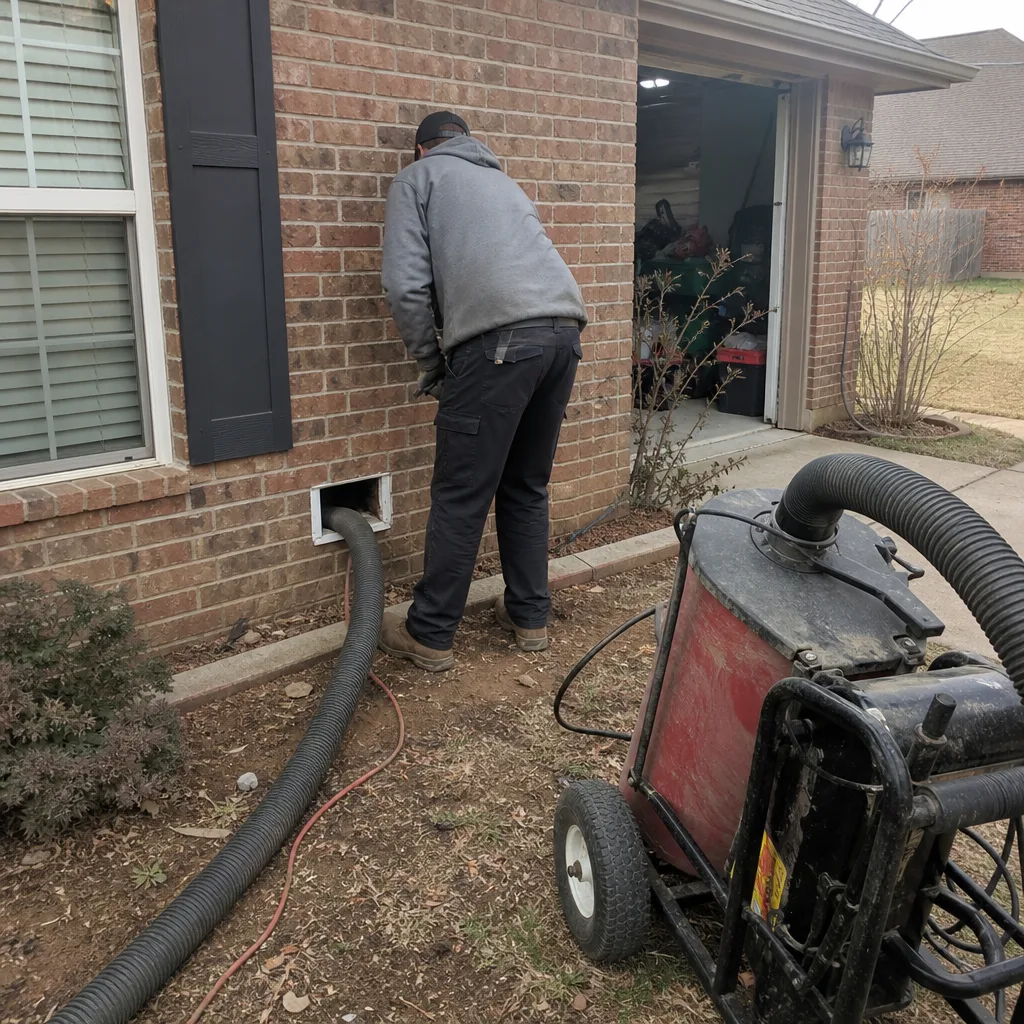 Before
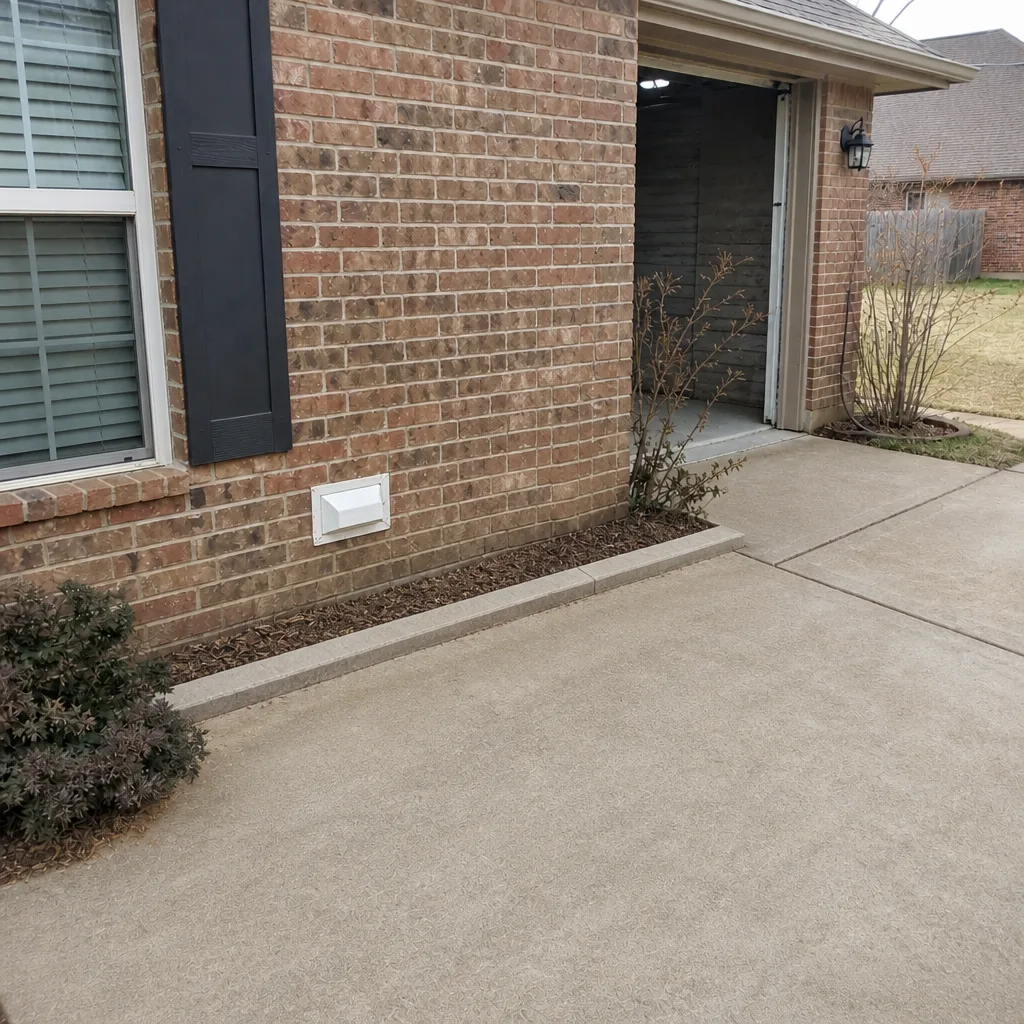 After
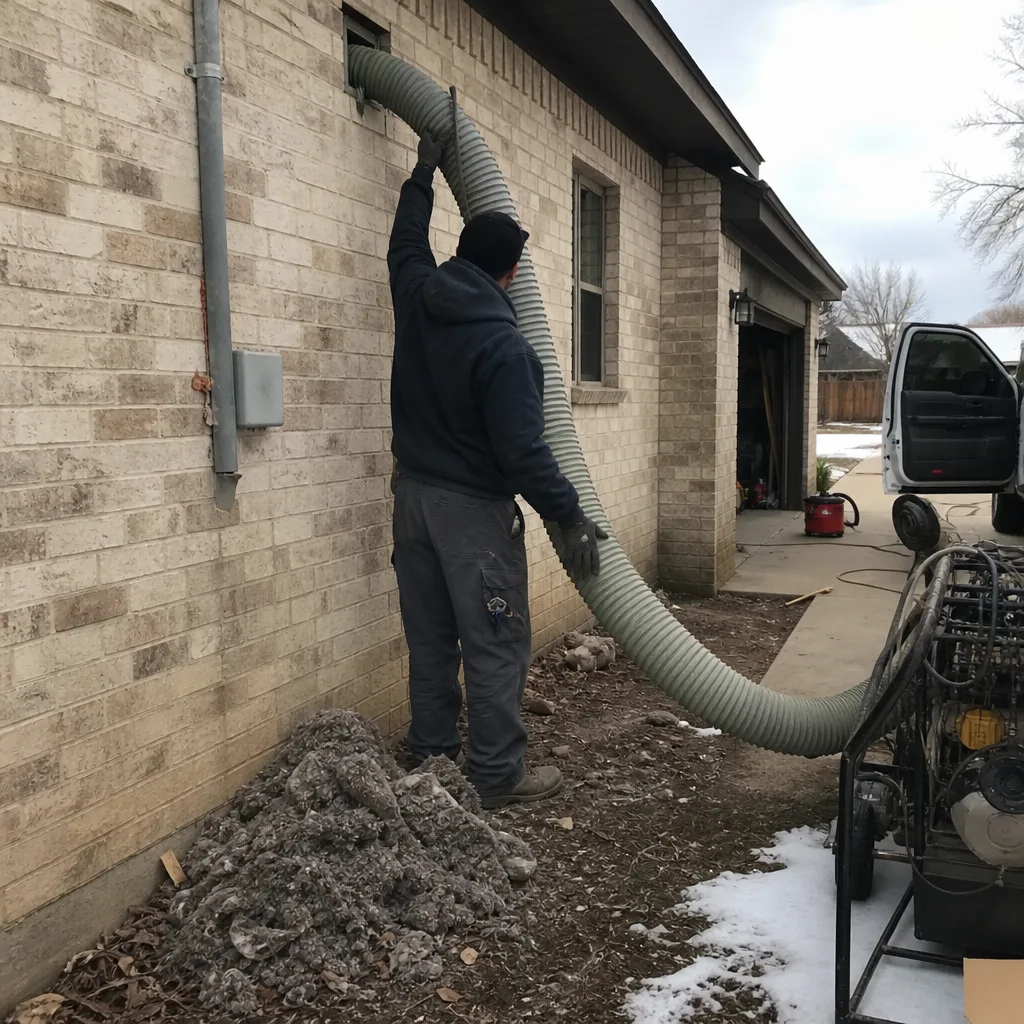 Before
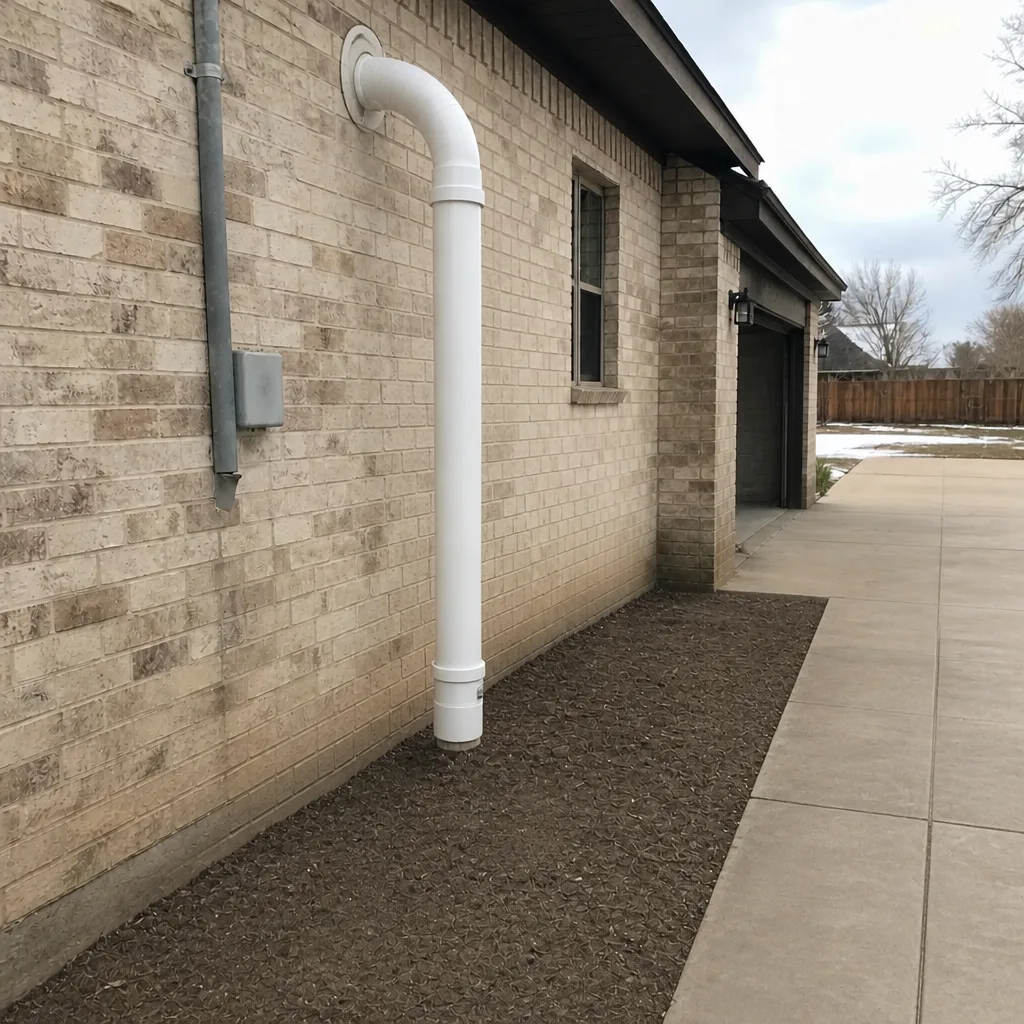 After
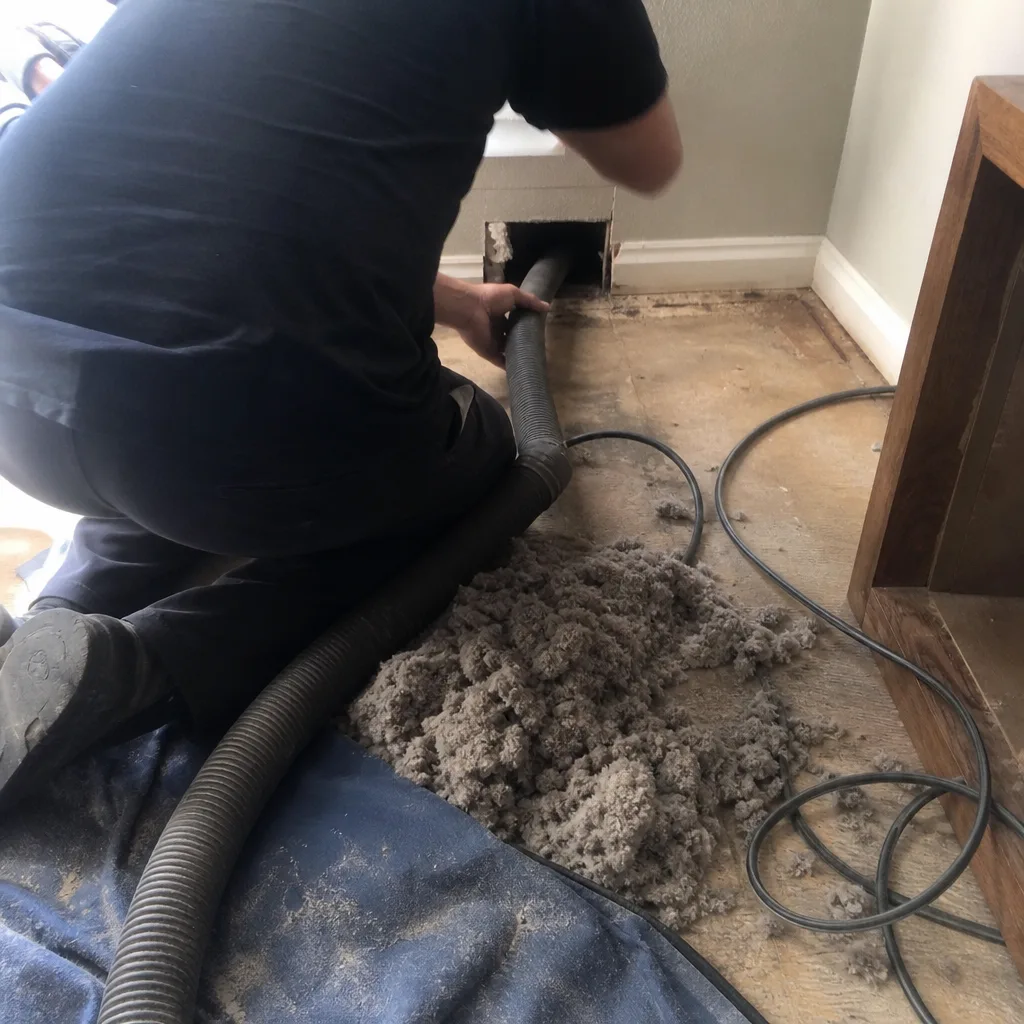 Before
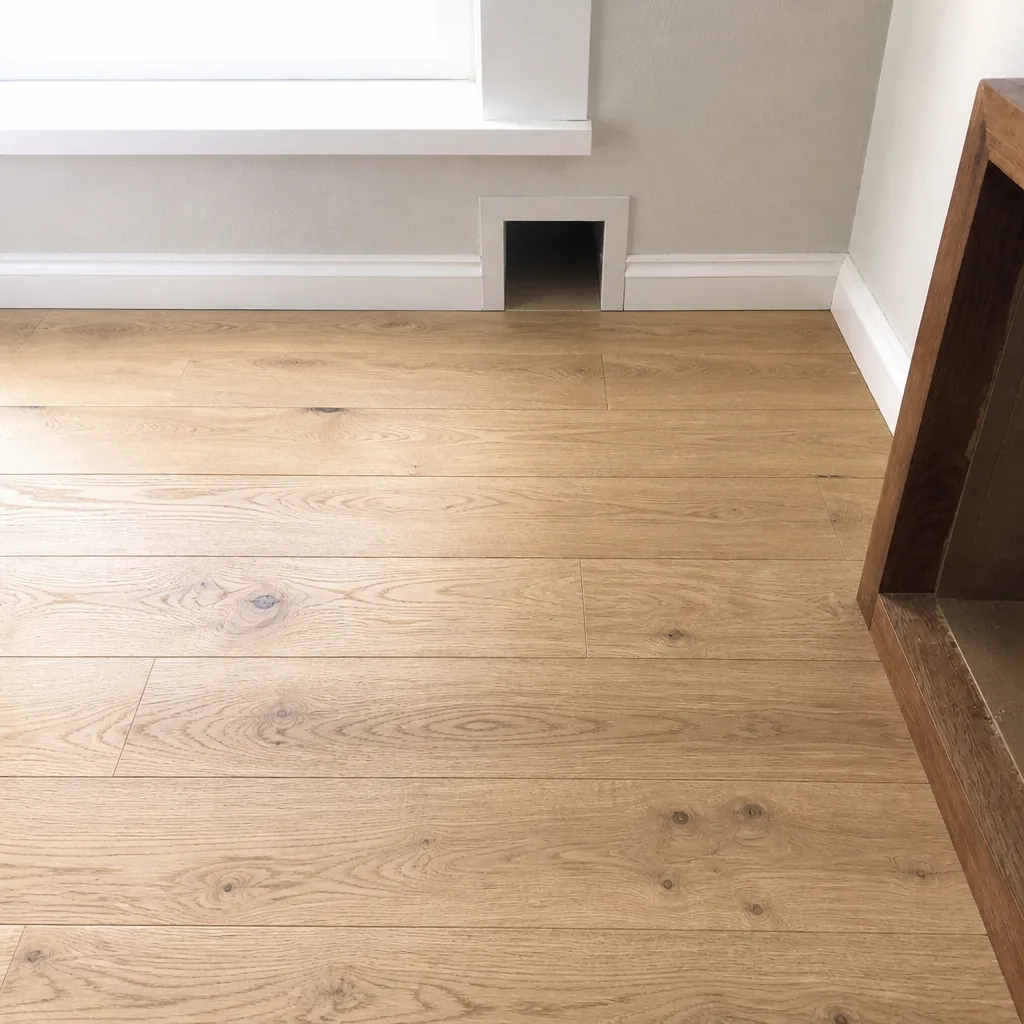 After
When to Call a Professional
Call a professional when any of the following applies: a duct run has visibly detached in the attic or crawlspace; airflow to a room has dropped noticeably and stayed down; a storm or roof repair has disturbed attic ductwork; you’re seeing new dust or debris around the registers after construction; the system’s cooling or heating is uneven in a way that hasn’t changed with filter replacement; or a home inspection has flagged a duct issue in a report you received during a purchase or a sale.
In each of those cases, the right starting point is a diagnostic assessment, cleaning if the system is intact, and a properly permitted repair if it isn’t. Duct Cleaning Edmond offers free estimates in Edmond; call (844) 461-1541 for a look at the system. We answer 24/7. Fast dispatch from 7am to 7pm, Sunday through Friday, closed Saturday. If a duct failure has already happened, we’ll tell you clearly whether the fix is cleaning or mechanical repair, and we’ll put the scope in writing before any work begins.
Frequently Asked Questions
No. Standard air duct cleaning on an intact system does not require a permit in Edmond. Permits apply to mechanical work like duct repair, modification, replacement, or new equipment connections. Call (844) 461-1541 for an exact quote on your system; estimates are free.
Usually yes, if the work involves cutting into, replacing, or reconnecting ductwork. The label doesn’t change the code classification. Ask the contractor to confirm in writing whether a permit applies and who holds the mechanical license. Call (844) 461-1541 if you need an assessment of your duct system.
Ask the contractor for the permit number before work begins, and ask whether the city will perform a final inspection. The City of Edmond’s development services office maintains the permit record, so the permit number should be verifiable. If the contractor can’t provide a permit number and can’t explain in writing why one isn’t required, treat that as a warning sign.
It can, particularly at claim time. An insurer investigating damage involving the duct system may look at whether the work was permitted and inspected, and may dispute coverage or require the ductwork be brought up to code. Getting the permit at the time of the repair avoids the argument entirely.
The permit closeout inspection for a duct repair typically verifies that the installed work matches the permit scope, connections are sound, materials meet code, and clearances are correct. It’s not a cleaning inspection and not an air-quality measurement. It’s a code compliance check on the mechanical work.
Not necessarily. Cleaning and mechanical repair are different scopes, and duct repair typically requires a licensed HVAC mechanical contractor and a permit when it changes the system. A cleaning contractor can perform the cleaning portion and identify a repair; the repair itself should be done by a properly licensed contractor with the permit in place.
The Bottom Line
Cleaning and repair are two different jobs with two different regulatory realities. Cleaning an intact system in Edmond doesn’t need a permit. Repairing, modifying, or connecting equipment in a duct system usually does, and that distinction matters when the work later shows up in an insurance claim or a home sale. Get the repair scope in writing, verify the mechanical license, ask for the permit number, and confirm the inspection closeout. A properly permitted repair is a better repair, and the paperwork protects you long after the technician leaves. If you’re not sure what your system needs, call us and we’ll tell you clearly.
Get a Free Estimate
If you’re looking at duct repair, duct cleaning, or dryer vent cleaning in Edmond, the place to start is a diagnostic visit and a written estimate. Call (844) 461-1541. We answer 24/7. Fast dispatch from 7am to 7pm, Sunday through Friday. We’ll assess the system, tell you whether the work is cleaning or mechanical repair, and put the scope and price in writing before anything begins. Licensed and insured, one flat price per system agreed before work starts, and before-and-after photos of your own ducts and vents. For professional dryer vent cleaning or a full duct system assessment, we’re ready to help.
Written by the team at Duct Cleaning Edmond.