
Last updated November 15, 2026
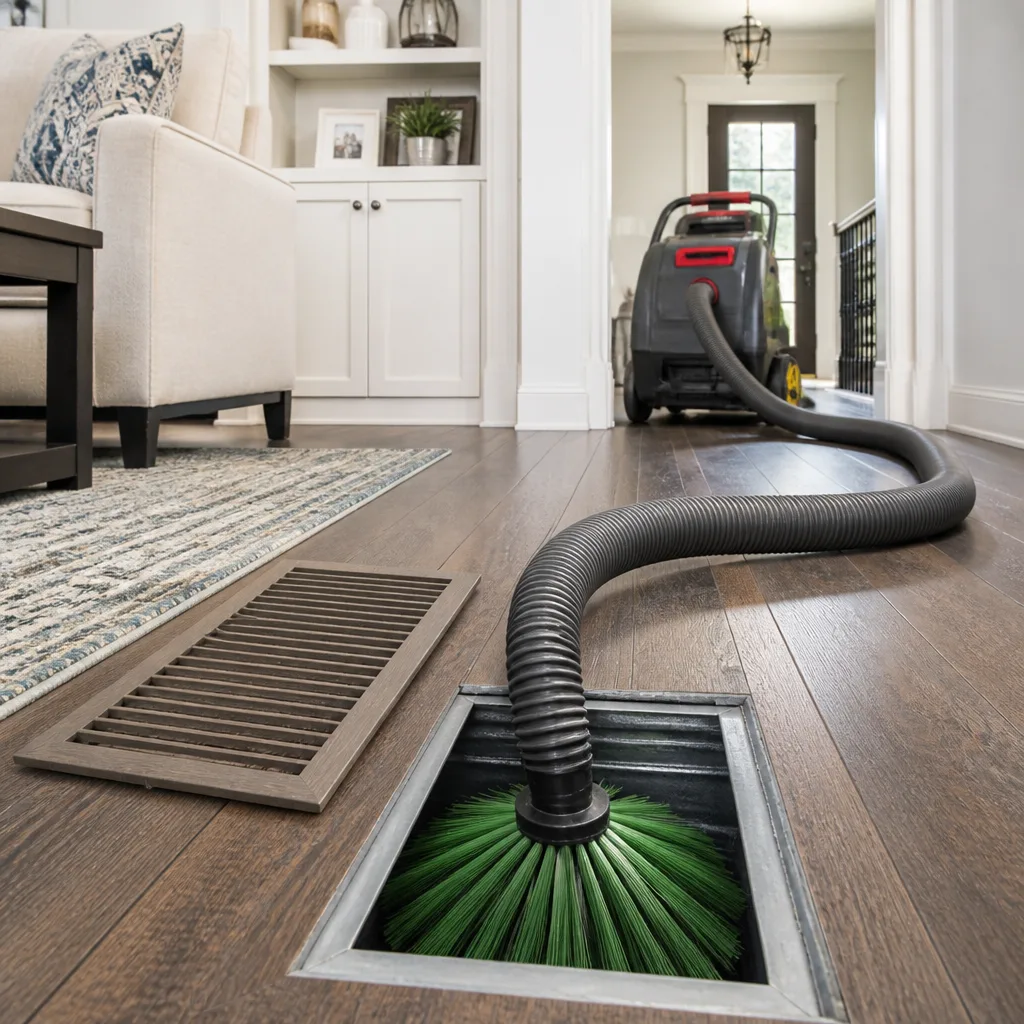 Whole-home duct cleaning
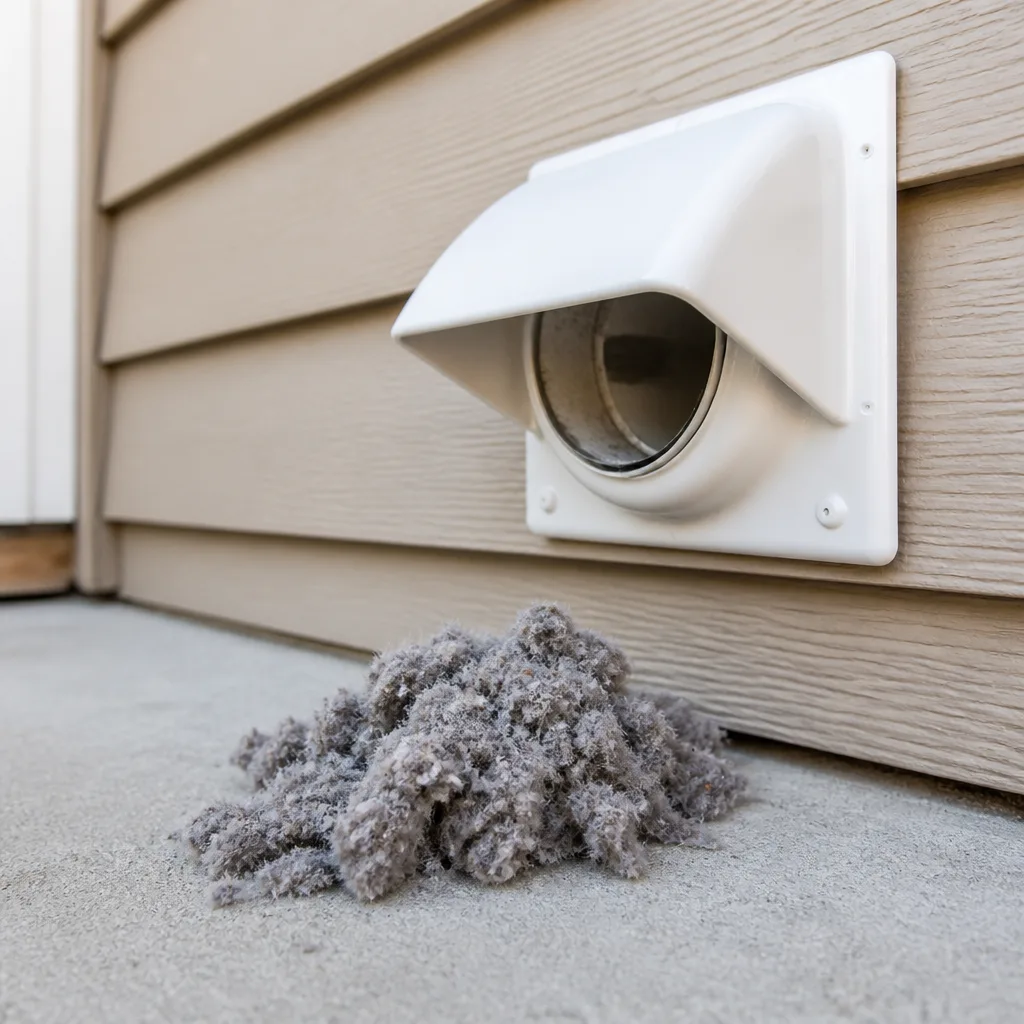 Dryer vent cleaning
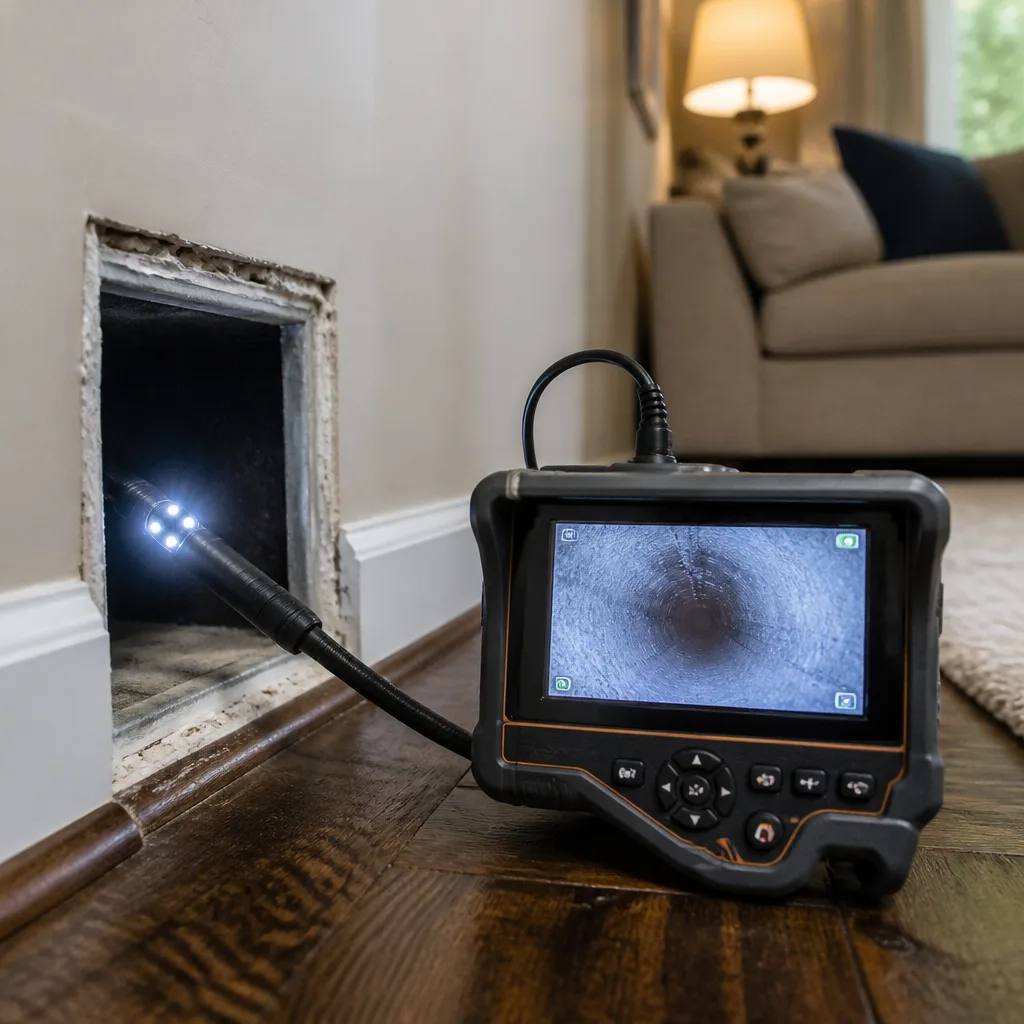 Camera inspection
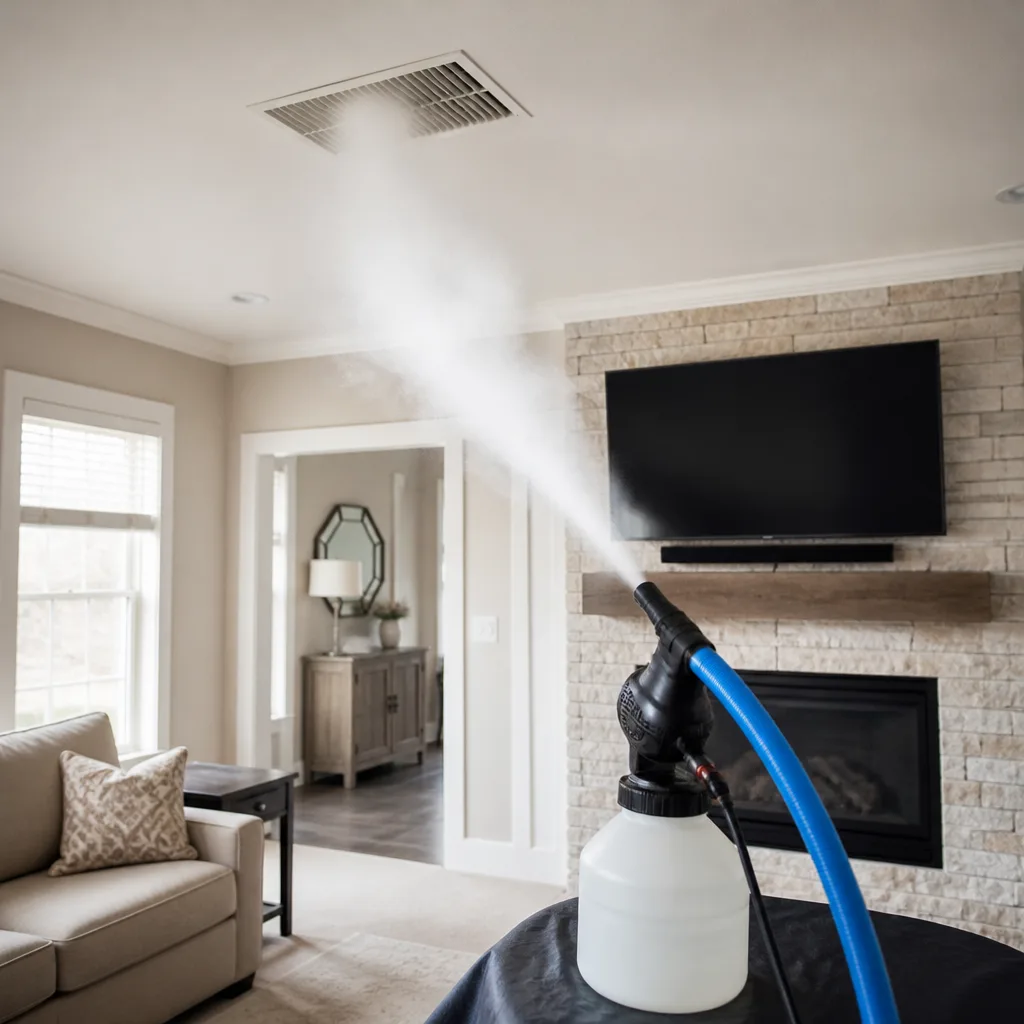 Sanitizing & deodorizing
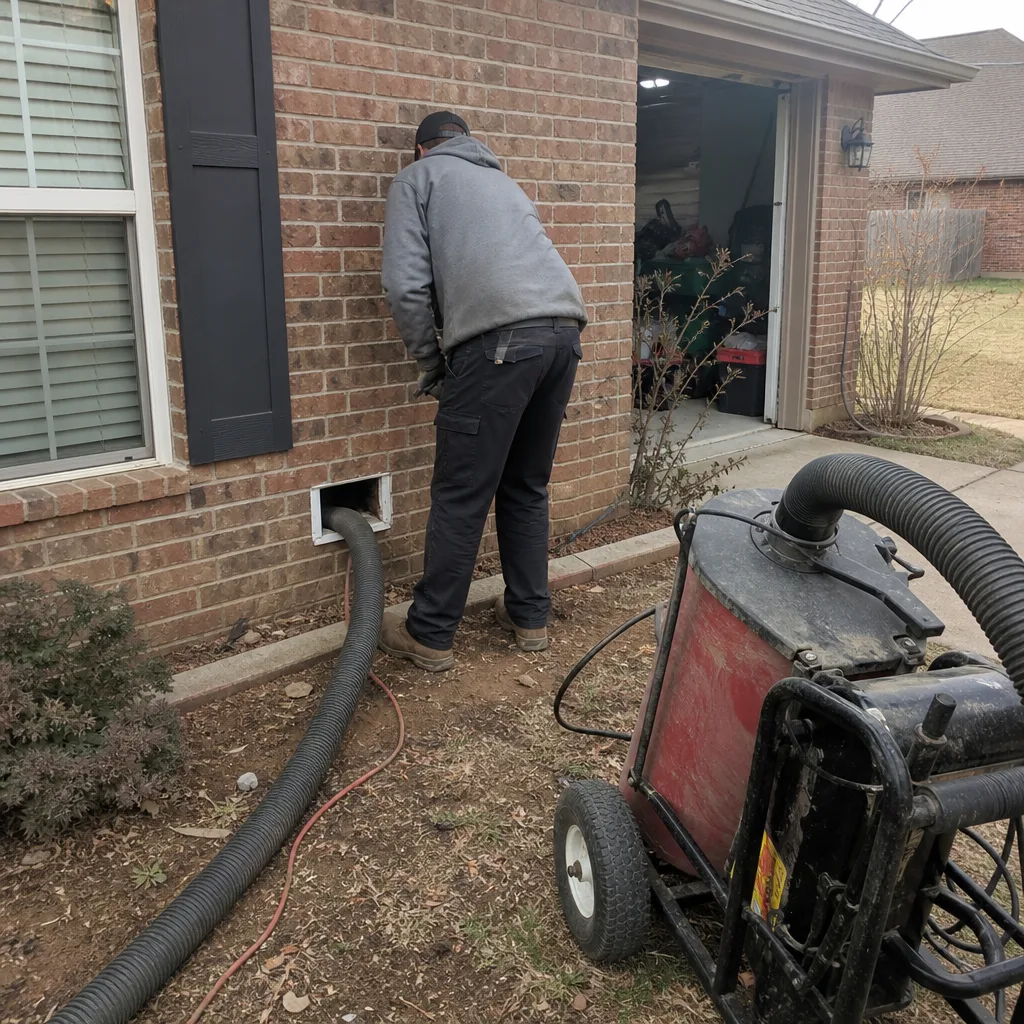
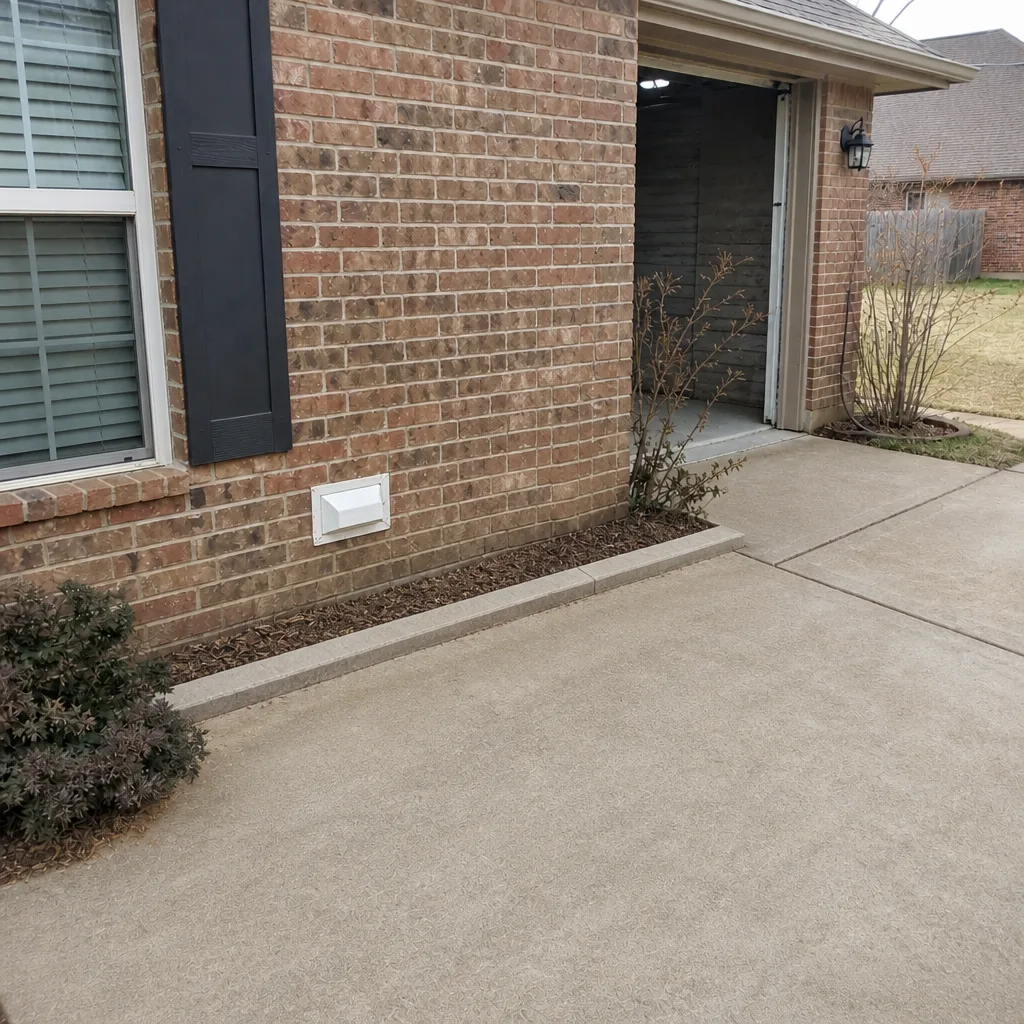
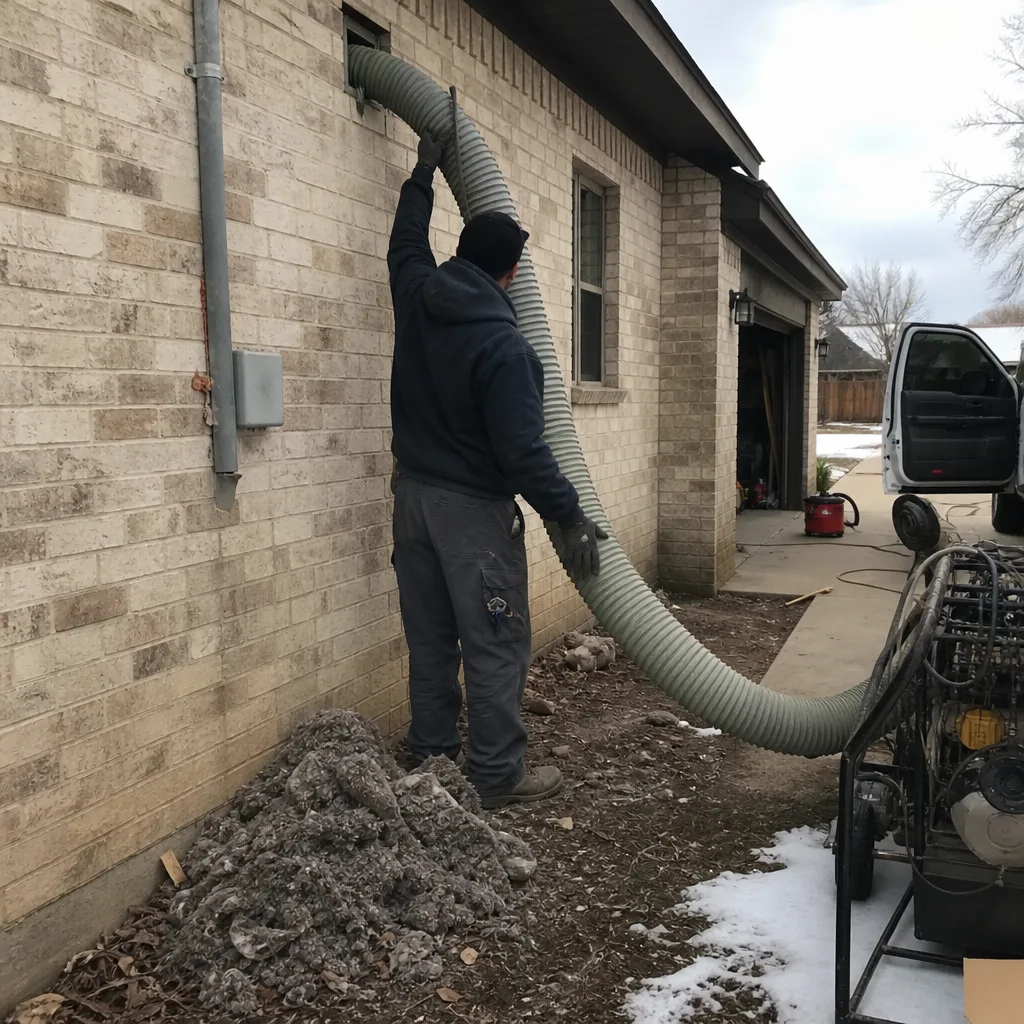
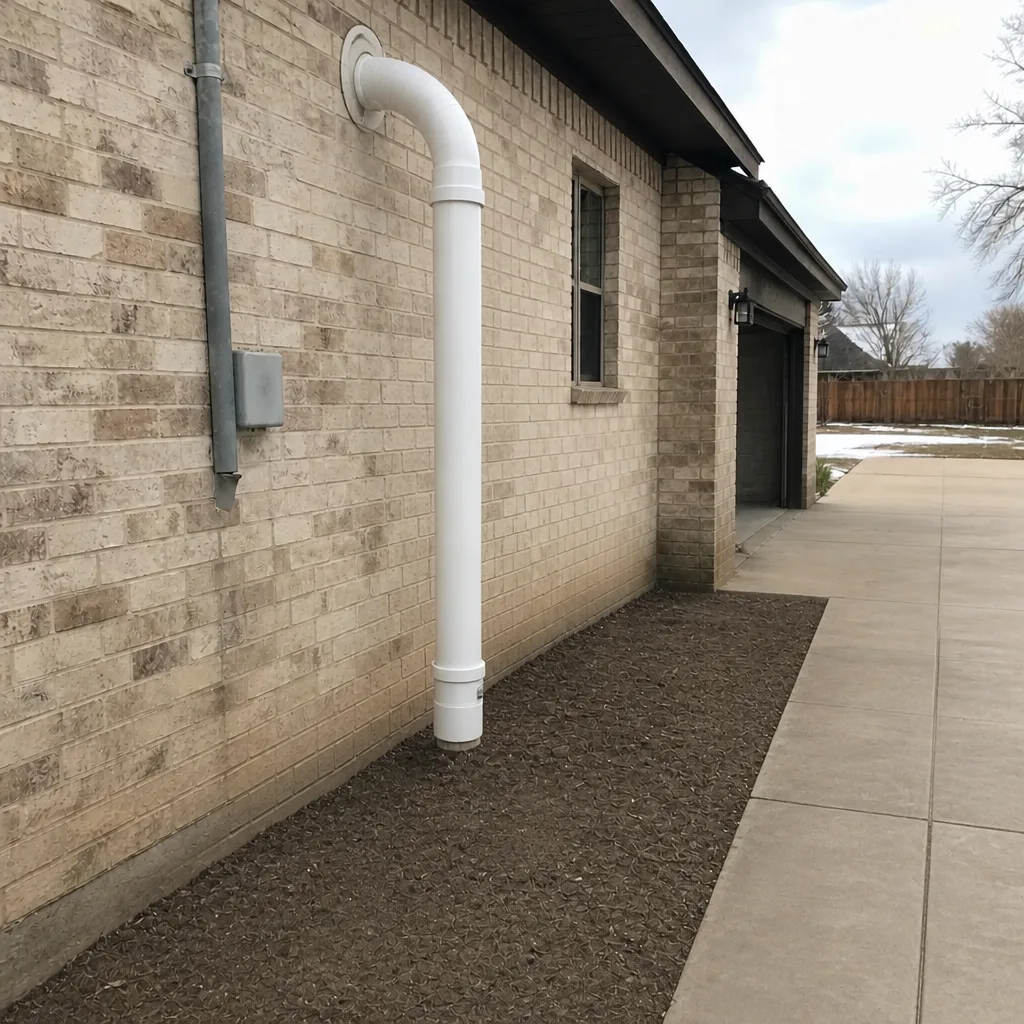
Whole-system duct and dryer vent check with before-and-after photos - you see exactly what came out of your vents
That "$99 whole-house special" is a bait ad - the real number appears once they are in your hallway, or the "clean" is a shop-vac at the register. We photograph the inside of your ducts before and after instead.
Air Duct Cleaning Maintenance Schedule: What to Do and When
Most homeowners treat duct cleaning as a single event: book it once every few years, forget about it, repeat. That approach misses almost everything that actually determines the air quality in your Edmond home. Duct maintenance is a calendar, not an appointment. It’s filter swaps in March before storm season rolls in, visual checks after hail and high winds pass through, professional extraction timed to renovation and life changes, and small quarterly habits that keep the system from quietly degrading between visits.
What follows is that calendar, written out month by month and event by event, tailored to how homes in Edmond, OK actually live through a year of red dirt, spring supercells, and long dry summers. You’ll learn which tasks you can handle yourself, which need Rotobrush and Nikro-grade equipment, and how to log system events so a professional can pick up where you left off instead of starting from zero.
Quick Answer
A practical air duct cleaning schedule in Edmond means filter changes every 1 – 3 months depending on season and household, a visual inspection each spring before storm season and each fall before heating season, and professional cleaning every 3 – 5 years for most homes, sooner if you have pets, allergies, recent renovation, or older ductwork. Event-driven cleanings (mold, pest, water intrusion, new infant, immunocompromised household member) should override the calendar entirely. The schedule below gives you actual dates to plug in.
Styles & brands we work with
- Whole-home duct cleaning
- Dryer vent cleaning
- Camera inspection
- Sanitizing & deodorizing
Table of Contents
- Why Edmond’s Climate Rewrites the Standard Schedule
- Month-by-Month Duct Maintenance Calendar for Edmond
- What You Can Do Quarterly vs. What Needs Professional Equipment
- How Duct Material Changes the Interval and Method
- Life Events That Should Trigger a Cleaning, Not the Calendar
- Logging System Events So Pros Can Assess Contamination History
- How Often Should You Actually Clean Ducts in Edmond?
- Common Mistakes to Avoid
Why Edmond’s Climate Rewrites the Standard Schedule
Generic duct advice is written for a climate that doesn’t exist here. Edmond sits squarely in a band of Oklahoma that sees four distinct seasonal pressures, and each one loads your HVAC system differently. If your maintenance plan only accounts for “clean every few years,” you’re leaving gaps where the real contamination accumulates.
Spring is the heaviest load. From roughly March through May, Edmond gets storm systems that push red dirt, pollen, and particulate through the air at concentrations most of the country never sees in a full year. Every time the system runs during a dust event, some of that material gets pulled into the return side and starts settling in the plenum and duct runs. Two months of spring can deposit more fine debris than the rest of the year combined.
Summer brings a different problem: constant runtime. When the AC runs nearly continuously from June through September, any debris already in the system gets cycled repeatedly into living spaces. This is when people notice the musty smell, the dust on furniture settling faster than usual, or allergy symptoms that don’t respond to medication.
Fall and winter shift the load again. Heating season is drier, which makes fine dust more mobile. Sealed-up houses during cold snaps mean whatever’s in the ducts is what you’re breathing. And in older Edmond neighborhoods, duct systems that have never been professionally cleaned carry years of accumulated material that the seasonal cycle keeps stirring up.
That’s the reason a one-and-done cleaning model doesn’t work here. You need the schedule below, tuned to Edmond’s actual seasons, plus the professional relationship to act on what the schedule surfaces. Our Duct Cleaning Edmond team builds every estimate around that reality rather than a generic national template.
Month-by-Month Duct Maintenance Calendar for Edmond
Here’s the calendar you can actually put in your phone. Some tasks are yours; some are check-ins with a professional. The point isn’t perfection. It’s having the right task land in the right month so nothing snowballs.
- January: Replace the filter. Check furnace area for condensation. Note any new smells from vents when the system first kicks on in the morning.
- February: Inspect and clean return grilles with a vacuum brush. Look for visible dust trails around registers. If you have pets, plan a filter swap mid-month.
- March (pre-storm season): Upgrade to a higher-MERV filter (MERV 11-13 is reasonable for most Edmond homes without choking airflow). Book any professional work now, before storm season fills the calendar. Check that all return grilles are unobstructed.
- April: After any significant hail or wind event, do a quick post-storm check: exterior vents, roof penetrations on the HVAC chase, and any window or door seals that could allow dust in.
- May: Second filter change of spring if you’ve had heavy dust events. Wipe down supply registers. Note any visible debris or insect activity around grilles.
- June: First AC-heavy month. Pay attention to odor when the system starts. If the system runs constantly and rooms feel stale, that’s a signal.
- July: Filter check at mid-summer. In a household with pets or allergy concerns, replacement is likely needed. Clean dryer vent lint trap and check the exterior vent flap.
- August: Visual inspection of the air handler and plenum area if accessible. Check for moisture around the evaporator coil. Note any debris in the return duct.
- September (pre-heating season): Third filter change. Have a professional inspect and clean if it’s been 3+ years or if you have pets, allergies, or an older home.
- October: Test the furnace startup. Note any burning smell (usually dust on the heat exchanger, but persistent smell warrants a check). Inspect accessible ductwork in the attic or crawlspace for disconnected sections or crushed flex runs.
- November: Filter change. Deep clean around registers. If you’re doing fall cleaning, don’t skip the return grille – that’s where most of the load lands.
- December: Final filter check of the year. Review your system log (see below) and plan next year’s professional service around what you see.
We know that reads like a lot. The truth is that most of these tasks take five to ten minutes. The heavy lift is the filter replacement cycle and one professional visit per interval, which we cover in detail further down.
What You Can Do Quarterly vs. What Needs Professional Equipment
A common mistake is separating duct work into “homeowner stuff” and “pro stuff” without knowing where the line actually is. The line isn’t about difficulty. It’s about what tool the job requires. Here’s how the split actually works in an Edmond home.
What you can handle yourself, quarterly:
- Replacing the filter on schedule (1-month for standard fiberglass, 3-month for pleated)
- Cleaning the return air grilles with a vacuum brush attachment
- Wiping down supply registers and checking that each is unobstructed
- Visual inspection of accessible ductwork in attic, garage, or crawlspace for obvious damage, disconnection, or pest activity
- Cleaning the dryer vent lint trap and inspecting the exterior flap
- Logging all of the above in a simple system log file
What requires professional equipment:
- Mechanical agitation of internal duct surfaces. A shop vac can’t touch the interior walls of flex or sheet metal runs. Professional rotary brush systems like Rotobrush dislodge the accumulation that has bonded to the duct wall. Air pressure alone skips this step entirely, which is why blow-and-go operators leave the actual contamination behind.
- HEPA-grade extraction and capture. Nikro HEPA equipment captures dislodged debris at the source. Without it, agitation moves contamination into the living space rather than out of the system. This is the difference between cleaning and redistributing.
- Containment during the job. Abatement Technologies containment tools maintain negative pressure so that what gets dislodged stays in the extraction path. That’s IAQ-grade protocol, not residential-grade suction.
- Duct repair. A compromised flex run, a disconnected trunk, or a crushed section of sheet metal has to be fixed before or during the clean, not after. We repair what we find, which is why we handle the diagnosis, cleaning, and repair in a single visit rather than referring it out.
- Diagnosing contamination source. A musty smell that returns after cleaning usually points to a source (moisture intrusion, unsealed return, coil issue) that only professional equipment can locate.
The line is clear once you understand it: anything that touches the interior of the ductwork itself needs pro equipment. Everything outside the duct runs is homeowner territory.
How Duct Material Changes the Interval and Method
Not all ductwork is the same, and neither is the maintenance interval or the cleaning method. Edmond homes carry three dominant duct types, each with different risk profiles. Knowing which one you have tells you how aggressive your schedule should be.
Flex duct (most common in homes built since the 1990s): The inner liner is a thin plastic membrane supported by a wire helix. Flex runs are cheap, quick to install, and prone to sagging, crushing, and disconnection. Because the interior is not rigid, contamination builds faster in low points and at fittings. The maintenance interval for flex should be on the shorter end of the range (every 3-4 years for most homes), and visual inspection of accessible runs should happen twice a year. When flex fails, it usually fails by collapsing or disconnecting, not by gradual wear. If you notice a room that doesn’t cool as well as it used to, that’s a flex duct red flag worth checking before you book a clean.
Sheet metal (common in older Edmond homes): Rigid, durable, and easier to clean thoroughly. Built-in seams can collect dust but are easy to reach with a rotary brush. Sheet metal systems tolerate mechanical agitation well, so Rotobrush equipment can clean them more thoroughly than flex. Interval is typically every 4-5 years unless the home has pets, allergies, or a recent renovation. The bigger risk with sheet metal is seam leakage: as duct sealant dries and cracks over the years, unsealed joints can draw attic air or crawlspace air into the system. A visual check with a flashlight during each fall inspection is worth the ten minutes.
Fiberglass duct board (found in some 1970s-1980s homes): The interior surface is fiberglass with a foil or vinyl facing. This material is the most fragile of the three. Mechanical agitation has to be gentler, and any damage to the interior facing opens up the fiberglass to the airstream, which is a problem. If your home has duct board, cleaning should be done by someone who knows the material, and the interval should be based on what inspection reveals rather than a fixed calendar. Any visible interior damage warrants repair, not just cleaning.
If you don’t know which type you have, a professional assessment during a first-time clean tells you. That info goes into your system log so future visits don’t require re-diagnosis.
Life Events That Should Trigger a Cleaning, Not the Calendar
The calendar is a starting point, not a rulebook. Some events in a household’s life make duct cleaning warranted immediately, regardless of when the last professional visit happened. In our experience, these event-driven triggers matter more than the year count on the wall.
- Renovation or remodeling. Drywall dust, sawdust, and construction debris migrate into ductwork through returns and gaps during any demo or remodel. Renovation is one of the top reasons ducts need cleaning years ahead of schedule. Book a professional clean within a few weeks of finishing the work, after the bulk of construction dust has settled but before it gets cycled into your lungs for a season.
- New pet adoption. Pet dander and hair load the return side fast. A household with a new dog or cat should shorten the filter interval to monthly for the first year, then reassess. If you notice increased dust on furniture or allergy symptoms, professional cleaning is worth scheduling even if it’s been only two years.
- New infant or immunocompromised household member. This is a “do it now” trigger. When someone in the home has a compromised immune system or a newborn, air quality stops being an abstract concern. Cleaning, filter upgrade to MERV 11-13, and possibly a Honeywell or Aprilaire filtration upgrade all become worth scheduling together.
- Water intrusion, roof leak, or flood. Any moisture event that touches ductwork is a contamination event. Mold growth in duct systems can begin in days. If your Edmond home has had water where it shouldn’t be, book a professional inspection before running the system significantly.
- Pest activity. Rodents, insects, or birds in the attic or crawlspace leave contamination in nearby ducts. Cleaning has to include proper containment so nothing gets redistributed into the home. This is exactly where Abatement Technologies containment and Nikro HEPA extraction matter.
- Moving into a new (to you) home. You don’t know what the previous owner did. A first clean after a move is a defensible default, especially in an older Edmond house.
- New onset of allergy or asthma symptoms. If symptoms track with time spent at home, ducts deserve a look. A professional inspection is cheap compared to a season of guessing.
Any of these events should push the schedule forward, not wait for the calendar to catch up.
Logging System Events So Pros Can Assess Contamination History
One of the most useful habits you can build is a simple system log. Duct professionals spend the first half hour of most jobs reconstructing what the homeowner already knows: when was the last clean, was there a renovation, are there pets, have there been moisture issues. If you have a log, that half hour goes into the actual work instead of discovery.
You don’t need a special app. A notes file on your phone or a small notebook taped inside a utility closet door works. Here’s what to record:
- Date and type of professional service. “Rotobrush clean, all ducts” or “dryer vent cleaning” or “flex repair in attic run to master bedroom.” Include the company name so you can reference it later.
- Filter changes. Date, MERV rating, brand if you remember it. This is how you spot whether you’re changing more often than needed or under-changing.
- Renovation and construction dates. Even if it was one room. This is the single most useful entry for future cleaning decisions.
- Water events. Any roof leak, plumbing failure, or AC condensate overflow that touched the ceiling, floors, or attic.
- Pest sightings. Rodents, insects, birds in the attic or crawlspace. Note where and when.
- New occupants or pets. Add a line for each addition to the household, human or animal.
- Changes in comfort or smell. “Musty smell in master bedroom in June.” “Living room feels warm in the afternoon since last summer.” These clues narrow the diagnosis fast.
When you call us for an Edmond estimate, whether for air duct cleaning or a repair, we look at that log and know where to focus. That saves you time and usually surfaces the actual issue faster than a blank-slate inspection would.
How Often Should You Actually Clean Ducts in Edmond?
For most Edmond homes, professional air duct cleaning every 3-5 years is a reasonable interval. That general figure, though, hides a wide range. Here’s how the interval shifts based on household and home factors.
- Single occupant, no pets, no allergies, newer home: 4-5 years between cleanings, with annual filter work and a fall visual inspection.
- Family with one or more pets: 2-3 years. The return side loads faster than most people expect, especially with long-haired breeds.
- Household with allergy or asthma concerns: 2-3 years, plus a filter upgrade to MERV 11-13 (check that your system handles it) and a candid look at whether a Honeywell or Aprilaire filtration add-on makes sense.
- Older Edmond home (pre-1990) with original or partially updated ductwork: 3-4 years, plus more frequent visual inspections for disconnections and seam leaks.
- Recent renovation: clean once after construction dust has settled, then return to the normal interval.
- Water damage, pest, or mold history: clean as soon as the event is resolved, then reassess at 12-18 months.
What matters more than the exact number is the pattern: shorter interval with more triggers present, longer with fewer. If you’ve had a professional clean in the last two years and no triggering events, you’re probably fine to wait. If it’s been four or more years and you’ve had pets or a remodel since, the answer is yes, call.
Common Mistakes to Avoid
We’ve seen the same handful of mistakes repeated across Edmond homes, and each one either wastes money or actively makes the situation worse. Here’s what to avoid.
- Treating duct cleaning as a one-time event. The house that gets cleaned once and never again accumulates the same load over the following five years. A schedule beats a single appointment every time.
- Skipping the filter for months because “it still looks fine.” Filters load from the inside out. By the time a filter looks obviously dirty, it’s been overdue for weeks. In Edmond’s spring, monthly changes are often the right call.
- Booking on price alone without asking about equipment. A very low coupon price usually reflects a shop vac and a blower. That’s not duct cleaning; it’s duct scattering. Ask what rotary brush system and what HEPA-grade extraction the company uses. If the answer is “we use special equipment,” press for names. Rotobrush, Nikro, and Abatement Technologies are the ones to look for.
- Cleaning a damaged system before fixing it. Cleaning a disconnected or crushed duct run does nothing useful. Diagnosis has to precede cleaning, and repair has to accompany it. This is why we handle repair alongside the clean.
- Ignoring the dryer vent. This gets missed constantly. A clogged dryer vent is a fire hazard, not just a maintenance item, and it’s exactly the kind of thing Edmond homeowners forget about because they only think about the air ducts. Book dryer vent cleaning on the same visit as the duct work.
- Not logging anything. Without a system log, every professional visit starts cold. You’ll pay for diagnostic time you don’t need to pay for.
- Assuming a higher-MERV filter is always better. Beyond MERV 13, most residential systems start to lose airflow. Choking the blower is a real risk, and it costs more in efficiency and comfort than it saves in filtration.
See the difference
 Before
 After
 Before
 After
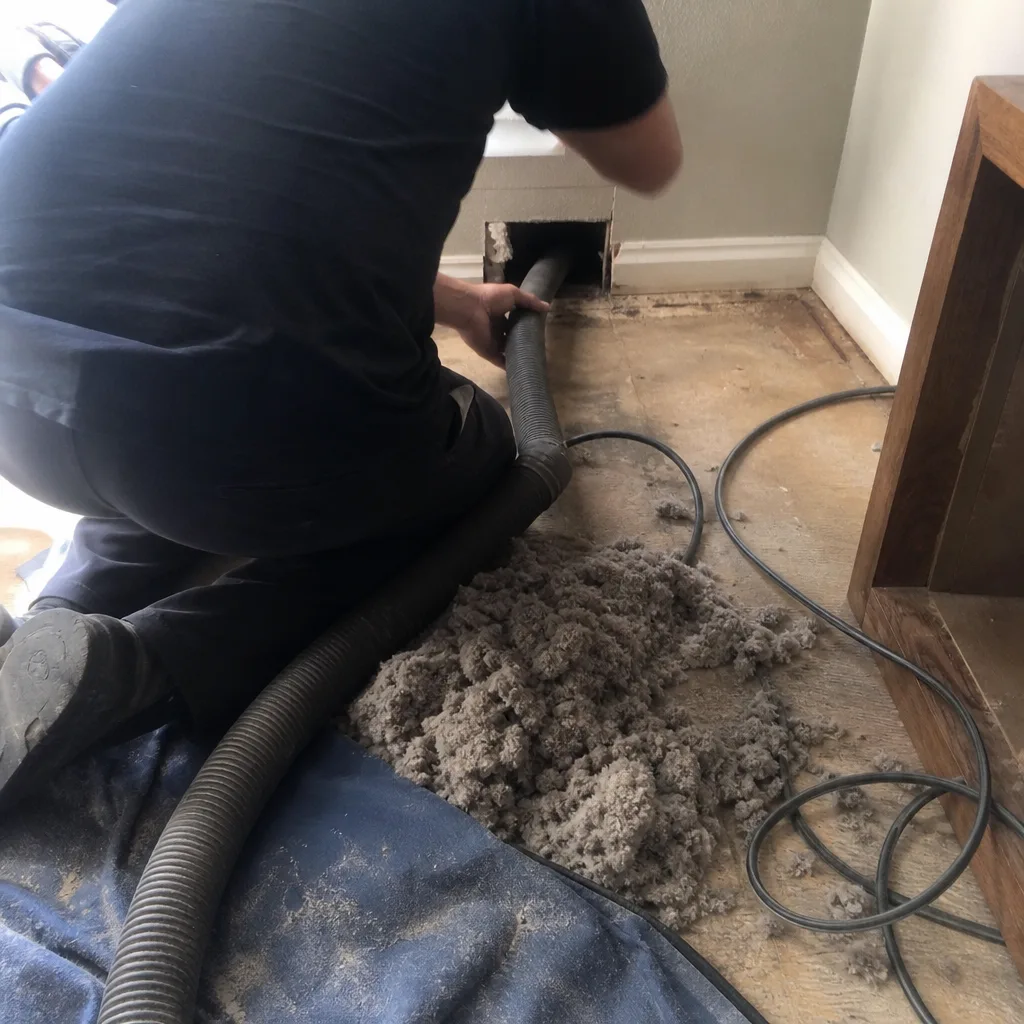 Before
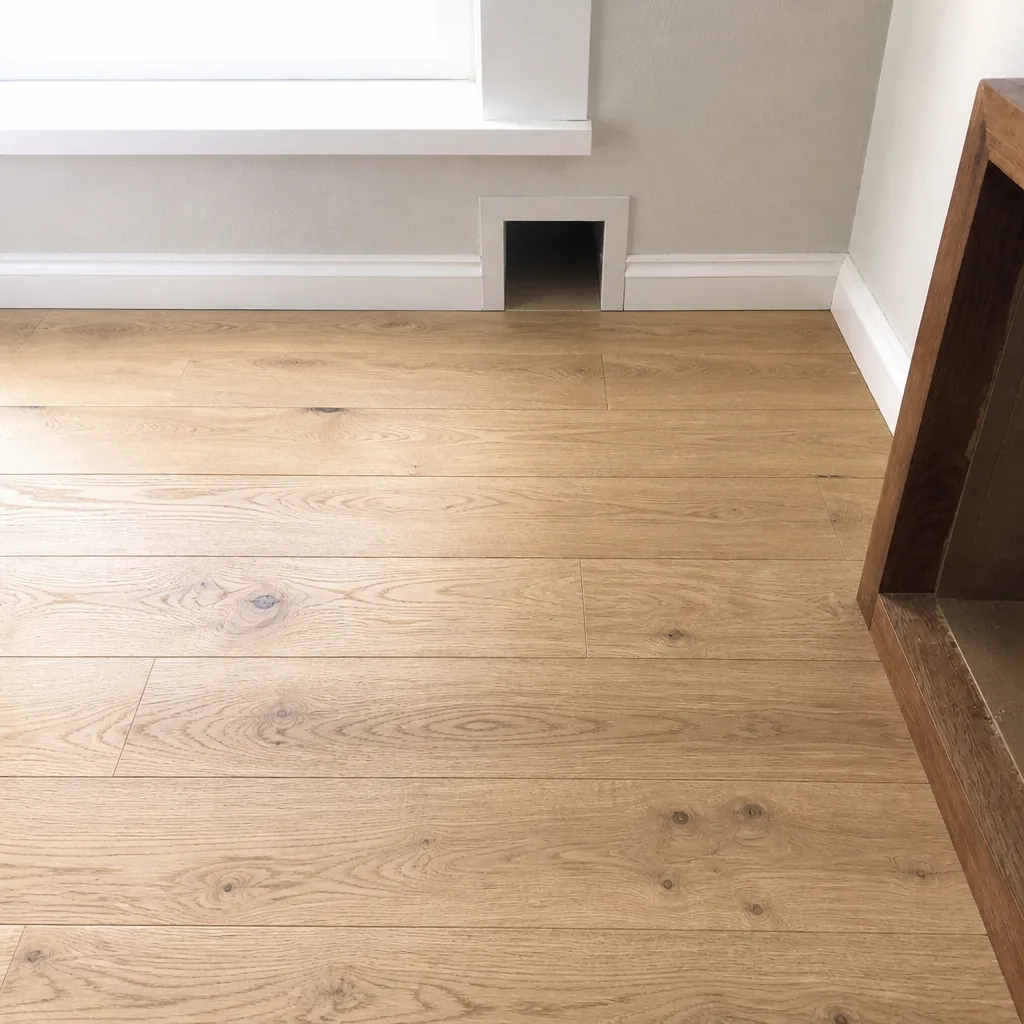 After
When to Call a Professional
Some situations don’t wait for the calendar. Call a professional if you notice persistent musty odor from vents that returns after a filter change, visible dust trails at registers, or an uptick in allergy symptoms that track with time spent at home. Call if you’ve had a renovation, a roof or plumbing leak, or pest activity in the attic or crawlspace. Call if the system hasn’t been professionally cleaned since you moved in and you don’t know its history. And call if any room has lost airflow or begun to feel warmer than it used to; that often points to a damaged flex run that needs repair, not just cleaning. Duct Cleaning Edmond offers free estimates in Edmond. Call (844) 461-1541. We answer 24/7. Fast dispatch from 7am to 7pm, Sunday through Friday.
Frequently Asked Questions
Every 3-5 years for most Edmond homes is the standard interval, shortened to 2-3 years if you have pets, allergies, asthma, or a recent renovation. Older homes with original ductwork and homes with any moisture or pest history should aim for the shorter end. If you’re not sure where your home falls, a professional assessment gives you a baseline. Call (844) 461-1541 for a free estimate.
A schedule is more effective than periodic one-time cleanings because it catches contamination as it accumulates rather than after years of buildup. Filter work, visual inspections, and event-driven cleanings all happen between professional visits and prevent the kind of load that a single cleaning struggles to address. Put the calendar in your phone and let the events trigger adjustments. If you’d rather talk through a schedule for your home, call us.
Anything outside the interior of the duct runs is homeowner territory: filters, grille cleaning, accessible visual inspection, dryer vent lint trap. Anything that touches the inside of the ductwork needs professional equipment, specifically a rotary brush system like Rotobrush for mechanical agitation, HEPA-grade extraction like Nikro for capture at the source, and Abatement Technologies containment to prevent redistribution into living space. Shop vacs and blowers can’t do any of those three. Call (844) 461-1541 to book a professional clean.
Yes. Flex duct is the most common in Edmond homes built since the 1990s and tends to accumulate faster in low points and at fittings, so cleaning every 3-4 years is typical. Sheet metal is more durable and easier to clean, so 4-5 years is usually fine. Fiberglass duct board is the most fragile and requires gentler equipment and more frequent inspection. Knowing which type you have determines both the interval and the method. A first clean is a good time to have that identified for your log.
It’s a bigger factor than most homeowners realize. Edmond’s spring storm season from roughly March through May pushes red dirt, pollen, and particulate through HVAC systems at concentrations the rest of the year doesn’t match. A pre-storm filter upgrade in March and a post-storm check in April or May keeps the load lower through the rest of the year. If you don’t adjust for the local seasons, you’re cleaning for a climate you don’t live in. Call for a free estimate and we’ll walk through the seasonal timing that fits your home.
Renovation, water damage, pest activity, mold, a new pet, or a new infant or immunocompromised household member are all triggers that override the calendar. Any one of these can load or contaminate the duct system faster than normal runtime, and waiting for the calendar to catch up just extends exposure. If any of these have happened in your home, a professional clean is worth scheduling rather than waiting. Call (844) 461-1541. We answer 24/7. Fast dispatch from 7am to 7pm, Sunday through Friday.
The Bottom Line
A duct maintenance schedule that actually works in Edmond has three layers: a filter and inspection routine you handle yourself, a seasonal calendar that accounts for spring storms and summer runtime, and professional extraction on the interval your home actually needs, adjusted by events. The mistake isn’t getting the interval wrong. It’s treating duct work as a one-and-done appointment and letting the calendar fill itself. Put the dates in your phone, log system events as they happen, and use a professional whose equipment matches the job: Rotobrush, Nikro, Abatement Technologies. Cleaning every 3-5 years is the baseline. Your home’s triggers decide the real number. And when things do need professional attention, we repair what we find, not just clean around it. If you live in or near Edmond and want to talk through a schedule for your house, call (844) 461-1541 for a free estimate.
Written by the team at Duct Cleaning Edmond.